Open water swimming requires more than fitness. Discover practical triathlon swimming tactics covering race-day preparation, breathing control, warm-ups, drafting, sighting, currents and waves. Coach Ray shares advice for Ironman Florida, Challenge Wānaka, Ironman New Zealand and Mount Maunganui to help you swim confidently and conserve energy for the bike and run.
View More Open Water Swimming for Triathletes: Race-Day Tactics, Confidence & Smarter Swimming 🏊🌊Tag: Triathlon Coaching
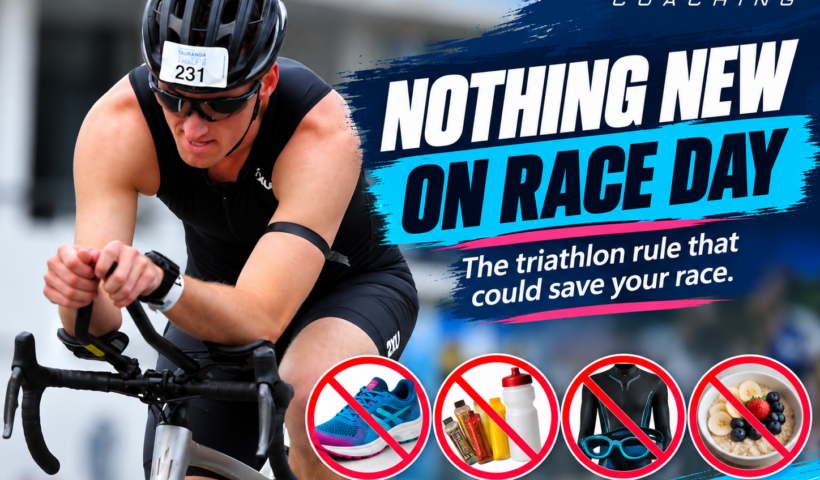
Nothing New on Race Day: The Triathlon Rule That Could Save Your Race
Avoid unnecessary surprises on triathlon race day by following one simple rule: nothing new. Learn why testing your equipment, nutrition, breakfast, pacing and transitions during training is essential. Discover how familiar routines, proper preparation and race-day confidence can help prevent costly mistakes and deliver a stronger triathlon performance.
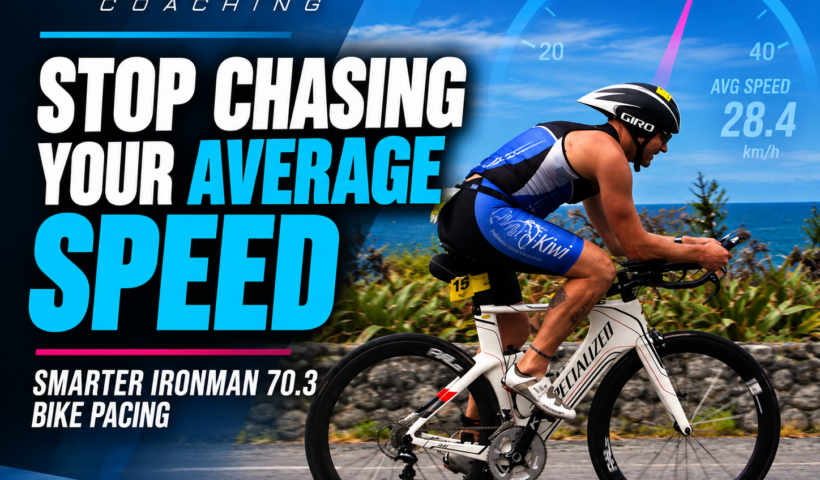
View More Nothing New on Race Day: The Triathlon Rule That Could Save Your RaceStop Chasing Your Average Speed: Smarter Ironman 70.3 Bike Pacing
Chasing average speed during your Ironman 70.3 can lead to poor pacing and unnecessary fatigue. Learn why wind, hills and terrain make speed misleading, how to manage your effort using power, heart rate and perceived exertion, and why smarter bike pacing can help you deliver a stronger half marathon run.
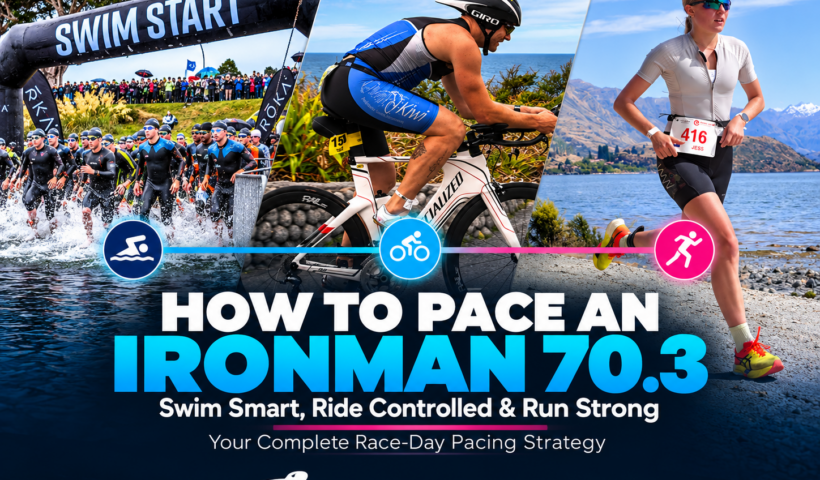
View More Stop Chasing Your Average Speed: Smarter Ironman 70.3 Bike PacingHow to Pace an Ironman 70.3: Swim Smart, Ride Controlled & Run Strong
Learn how to pace an Ironman 70.3 with Coach Ray’s complete race-day strategy. Discover how to swim efficiently, control your bike effort, manage hills and headwinds, and run strongly. Avoid common pacing mistakes, optimise your fuelling and hydration, and maximise your performance across all three disciplines on race day.
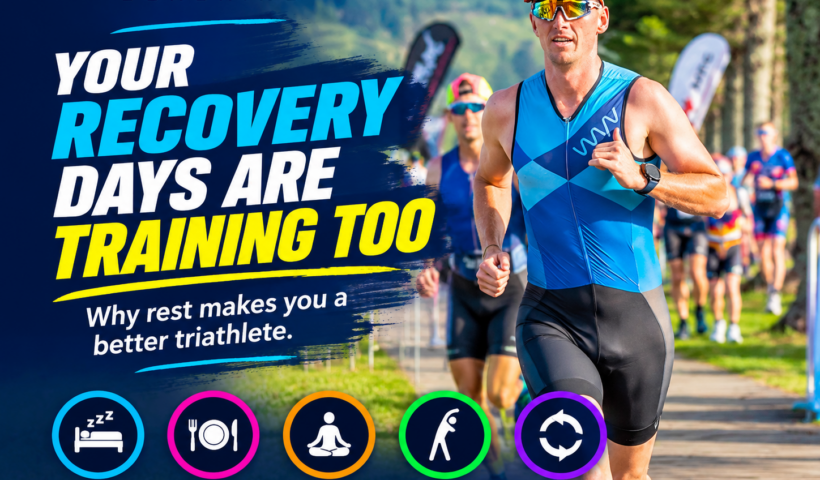
View More How to Pace an Ironman 70.3: Swim Smart, Ride Controlled & Run StrongYour Recovery Days Are Training Too: Why Rest Makes You a Better Triathlete
Recovery days are an essential part of effective triathlon training. Discover why rest, sleep, proper fuelling and active recovery help your body adapt, manage fatigue and improve performance. Learn how balancing training stress with adequate recovery supports consistent progress, reduces injury risk and helps you become a stronger triathlete.
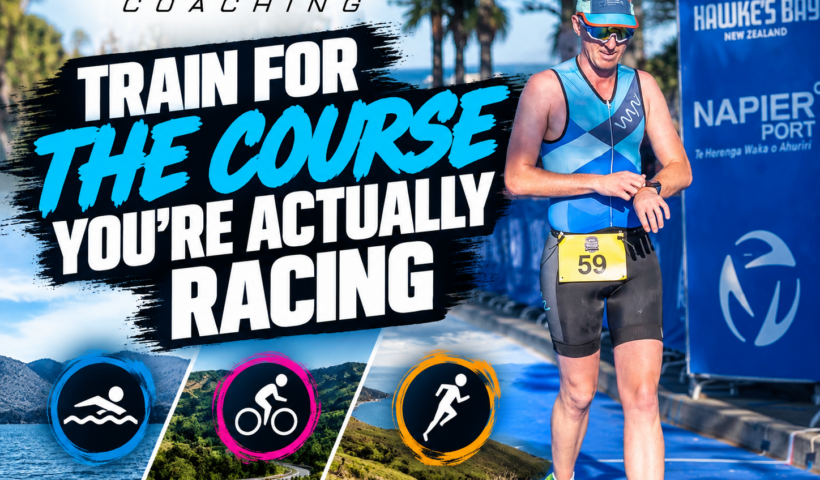
View More Your Recovery Days Are Training Too: Why Rest Makes You a Better TriathleteTrain for the Triathlon Course You’re Actually Racing
Prepare for the triathlon course you’re actually racing. Learn how terrain, weather, open water, hills, road surfaces and race conditions should influence your training. By making key sessions increasingly race-specific, you can improve your pacing, skills, fuelling and confidence while reducing unnecessary surprises when race day finally arrives.
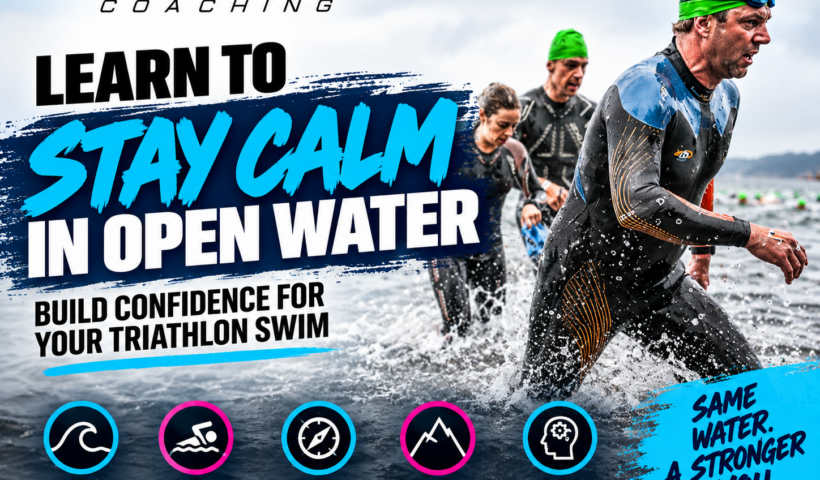
View More Train for the Triathlon Course You’re Actually RacingLearn to Stay Calm in Open Water: Build Confidence for Your Triathlon Swim
Open-water swimming can feel very different from the pool. Learn how to stay calm, control your breathing and build confidence when conditions become challenging. With specific open-water practice, smart positioning and better race-day skills, you can manage anxiety, find your rhythm and enjoy a stronger, more confident triathlon swim.
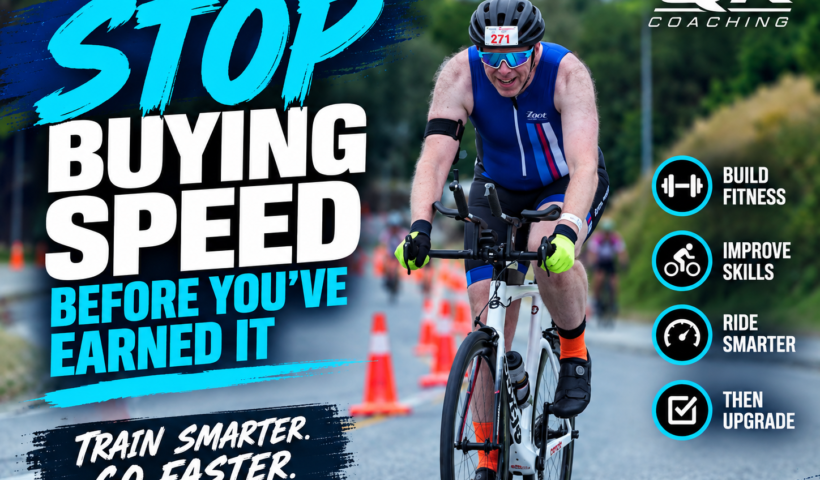
View More Learn to Stay Calm in Open Water: Build Confidence for Your Triathlon SwimStop Buying Speed Before You’ve Earned It
Before spending thousands chasing marginal gains, make sure you’re getting the most from the bike you already own. Build your fitness, improve your aero position, develop bike-handling skills, practise smart pacing and dial in your fuelling. Earn your speed through training first, then let equipment upgrades enhance your performance.
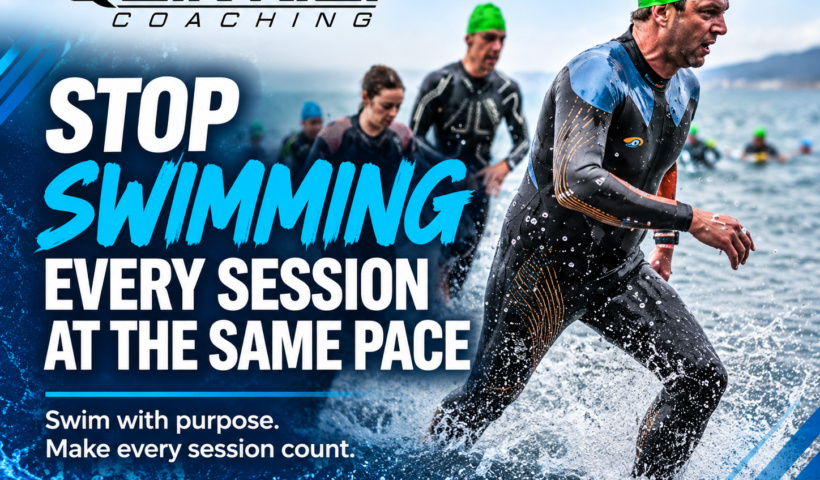
View More Stop Buying Speed Before You’ve Earned ItStop Swimming Every Session at the Same Pace
Swimming every session at the same pace can limit your progress. Discover why triathletes benefit from purposeful variety in the pool, including endurance, technique, tempo, threshold and speed work. Learn how developing different swimming gears can improve your fitness, efficiency and confidence while preparing you for the demands of race day.
View More Stop Swimming Every Session at the Same PaceDon’t Sprint Out of T2! Pace Your Ironman 70.3 Run
Your Ironman 70.3 run can be compromised in the first kilometre. Learn why sprinting out of T2 is a costly mistake, how to control your early pace, allow your legs to adjust after the bike, and build into the run so you can finish your 21.1km strongly when it matters most.
View More Don’t Sprint Out of T2! Pace Your Ironman 70.3 Run