
Race Day Nutrition for Endurance Athletes: Fuelling, Hydration, Sports Foods & Supplements
Discover how to optimise your race day nutrition with sports nutritionist Jade Winter. Learn practical strategies for carbohydrate loading, fuelling, hydration, gut training and supplements. Whether you’re preparing for a half marathon, marathon, triathlon or Ironman, this masterclass will help you develop a personalised nutrition plan for race day success.
View More Race Day Nutrition for Endurance Athletes: Fuelling, Hydration, Sports Foods & Supplements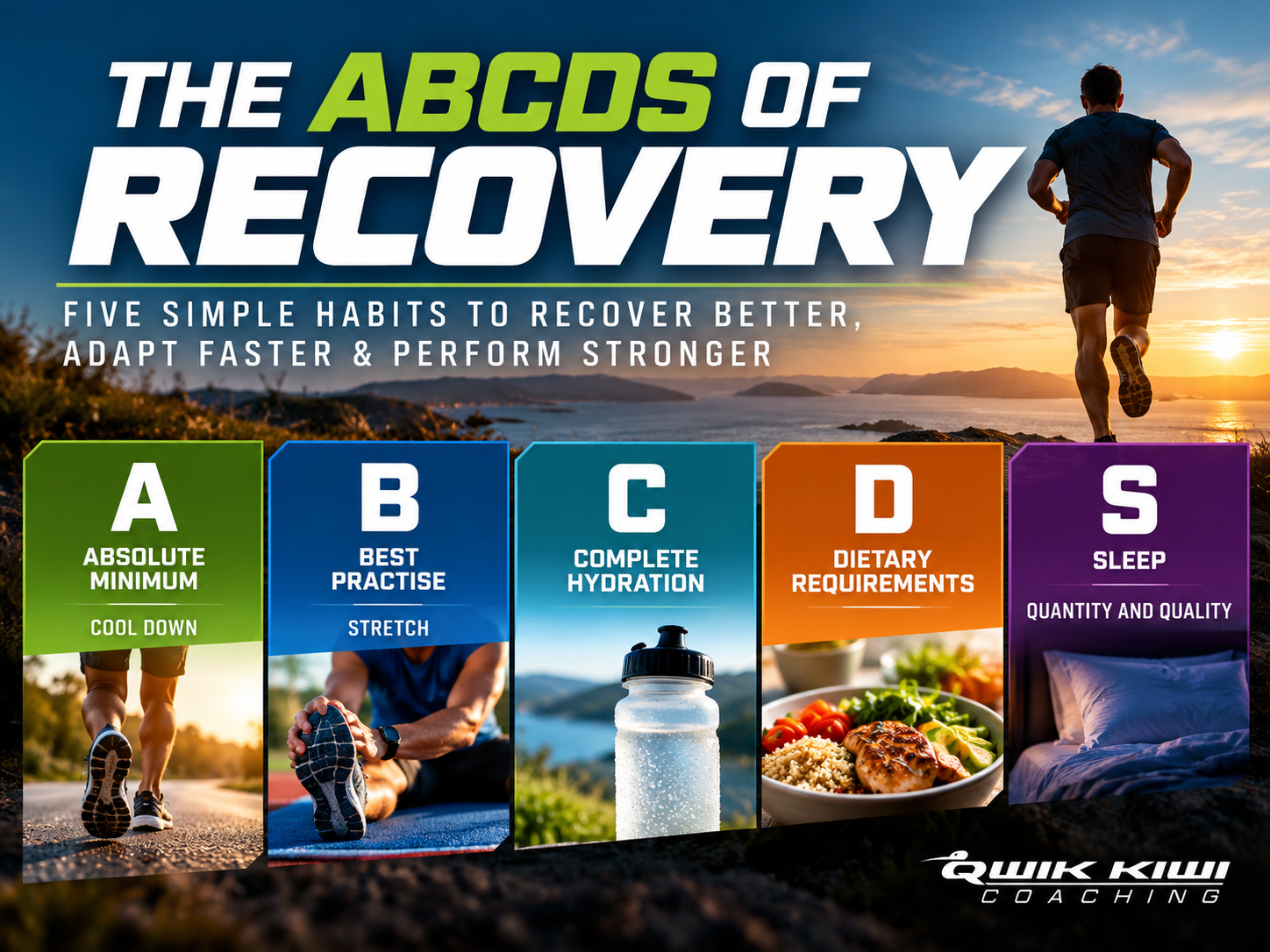
The ABCDS of Recovery: Five Simple Habits to Recover Better, Adapt Faster & Perform Stronger
Discover Coach Ray’s ABCDS of Recovery: five practical habits covering cool-downs, stretching, hydration, dietary requirements and sleep to help endurance athletes recover better, adapt faster and perform stronger.
View More The ABCDS of Recovery: Five Simple Habits to Recover Better, Adapt Faster & Perform Stronger
Open Water Swimming for Triathletes: Race-Day Tactics, Confidence & Smarter Swimming 🏊🌊
Open water swimming requires more than fitness. Discover practical triathlon swimming tactics covering race-day preparation, breathing control, warm-ups, drafting, sighting, currents and waves. Coach Ray shares advice for Ironman Florida, Challenge Wānaka, Ironman New Zealand and Mount Maunganui to help you swim confidently and conserve energy for the bike and run.
View More Open Water Swimming for Triathletes: Race-Day Tactics, Confidence & Smarter Swimming 🏊🌊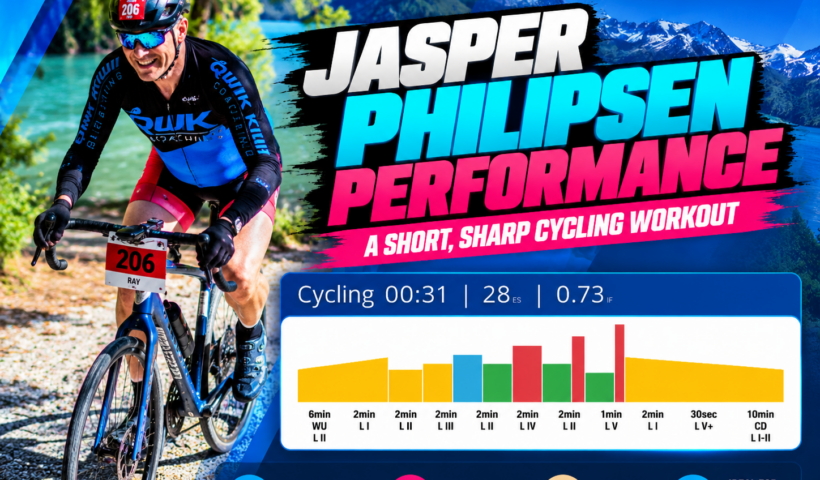
Sunday Smart Trainer Session: Jasper Philipsen Performance – A Short, Sharp Cycling Workout 🚴🔥
Jasper Philipsen Performance is a short, structured indoor cycling workout featuring progressive intensity changes and two demanding finishing efforts. Inspired by a Zwift Tour Fever session, this 31-minute workout challenges cyclists to manage their pacing, recover between intervals and develop controlled high-intensity power within a balanced endurance training programme.
View More Sunday Smart Trainer Session: Jasper Philipsen Performance – A Short, Sharp Cycling Workout 🚴🔥
If You Wait Until You’re Tired, It’s Already Too Late: Half Marathon Fueling Explained
Many runners wait until they feel tired before taking fuel during a half marathon. Unfortunately, by then it may already be too late. Learn why early fuelling, practising your race nutrition, and training your gut can help you maintain pace, avoid late-race fatigue, and finish stronger on race day.
View More If You Wait Until You’re Tired, It’s Already Too Late: Half Marathon Fueling Explained
Saturday Swim Session: Improve Freestyle Technique & Swim Faster With Broken 400s
Improve your triathlon swimming with three structured workouts targeting freestyle technique, endurance and sustainable speed. Discover how Broken 400s develop consistent pacing, while targeted swimming drills improve stroke efficiency. These 7,400 metres of purposeful training will help Olympic-distance, Ironman 70.3 and T100 triathletes swim smarter, stronger and faster.
View More Saturday Swim Session: Improve Freestyle Technique & Swim Faster With Broken 400s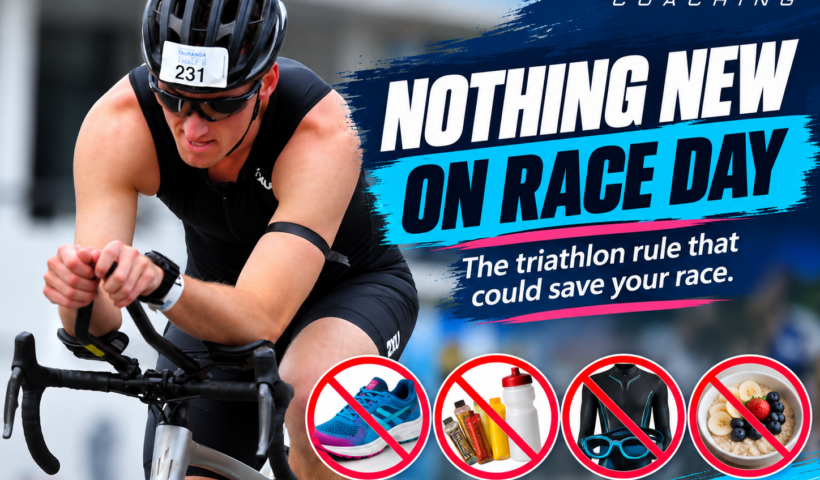
Nothing New on Race Day: The Triathlon Rule That Could Save Your Race
Avoid unnecessary surprises on triathlon race day by following one simple rule: nothing new. Learn why testing your equipment, nutrition, breakfast, pacing and transitions during training is essential. Discover how familiar routines, proper preparation and race-day confidence can help prevent costly mistakes and deliver a stronger triathlon performance.
View More Nothing New on Race Day: The Triathlon Rule That Could Save Your Race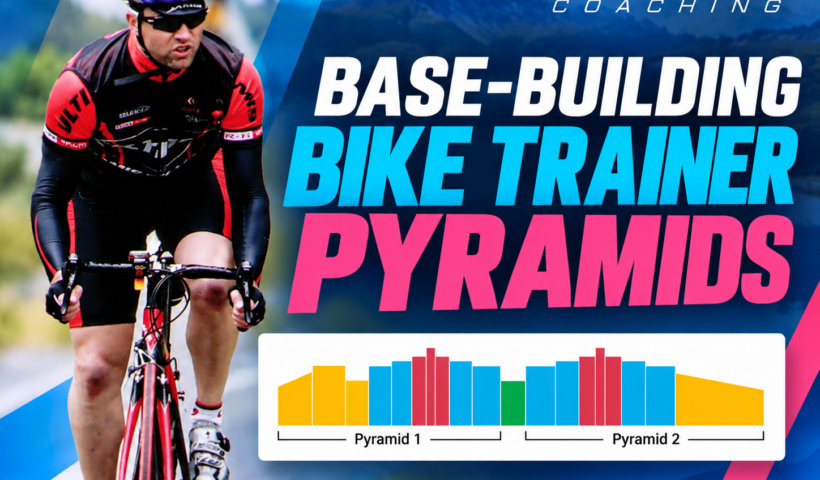
Sunday Smart-Trainer Session: Base-Building Bike Trainer Pyramids
Build cycling endurance and threshold power with Base-Building Bike Trainer Pyramids. This structured 68-minute indoor cycling workout features two progressive pyramids ranging from 85% to 105% FTP. Improve muscular endurance, pacing and fatigue resistance with Coach Ray’s training tips, then ride the complete session on Qwik Kiwi Velocity.
View More Sunday Smart-Trainer Session: Base-Building Bike Trainer Pyramids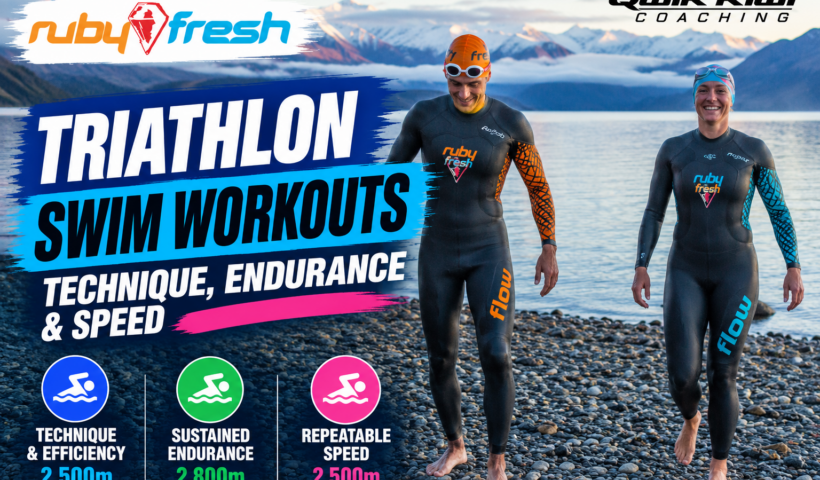
Saturday Swim Session: Build Swim Efficiency, Endurance & Sustainable Speed With Three Structured Workouts
Improve your triathlon swimming with three structured workouts designed to develop freestyle technique, endurance and sustainable speed. This week’s Saturday Swim Session features Qwik Kiwi Performance Swim Sessions 04, 05 and 06, combining technique drills, 1,000m endurance efforts and 200m intervals to help you swim faster and more efficiently.
View More Saturday Swim Session: Build Swim Efficiency, Endurance & Sustainable Speed With Three Structured Workouts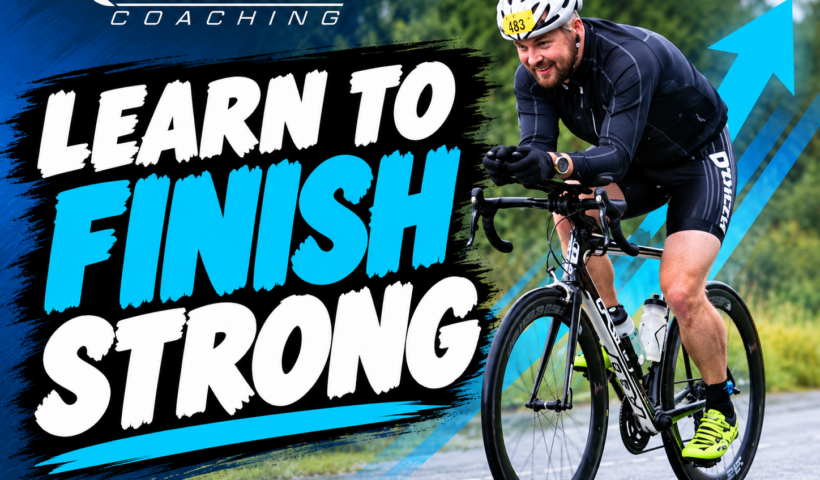
Learn to Finish Strong: How to Build Cycling Endurance and Stop Fading at the End of Your Workouts
Learn how to finish cycling workouts strong by improving pacing, endurance and power consistency. Discover why starting too hard can compromise your final intervals, how to maintain smooth cadence and technique as fatigue builds, and why proper recovery and fuelling help you execute every workout effectively from start to finish.
View More Learn to Finish Strong: How to Build Cycling Endurance and Stop Fading at the End of Your Workouts