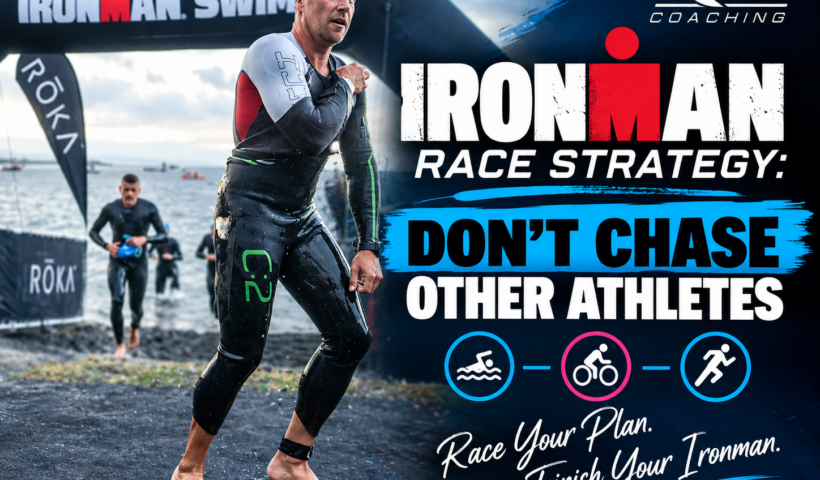
Many Ironman 70.3 athletes waste valuable energy by chasing other competitors on the bike. Learn why sticking to your own pacing strategy leads to a stronger overall race, a better run, and smarter race execution. Success comes from riding your plan—not someone else’s.
View More Stop Racing Other Athletes. Race Your Plan.Author: Ray Boardman
How Do You Balance Swim, Bike and Run Training?
Balancing swim, bike, and run training can feel overwhelming for first-time triathletes. Learn how to structure your training week, the purpose of each discipline, and why quality, consistency, and recovery are the keys to preparing confidently for your next Sprint or Olympic triathlon.
View More How Do You Balance Swim, Bike and Run Training?You Don’t Need More Watts—You Need Less Drag
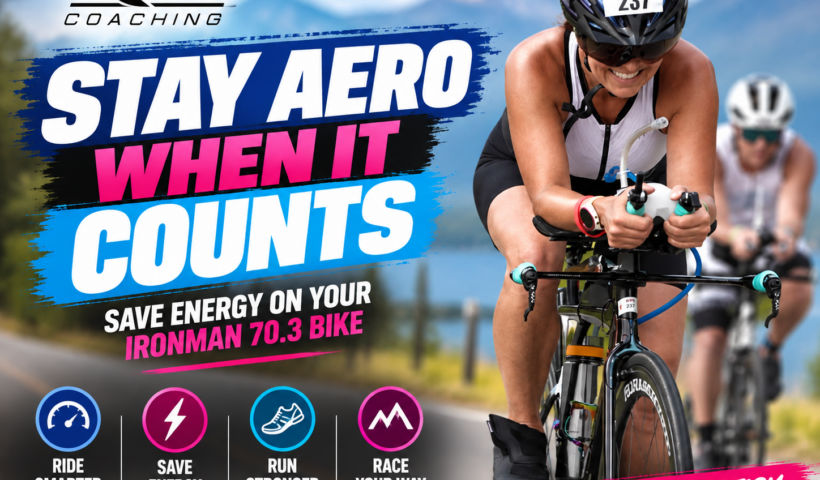
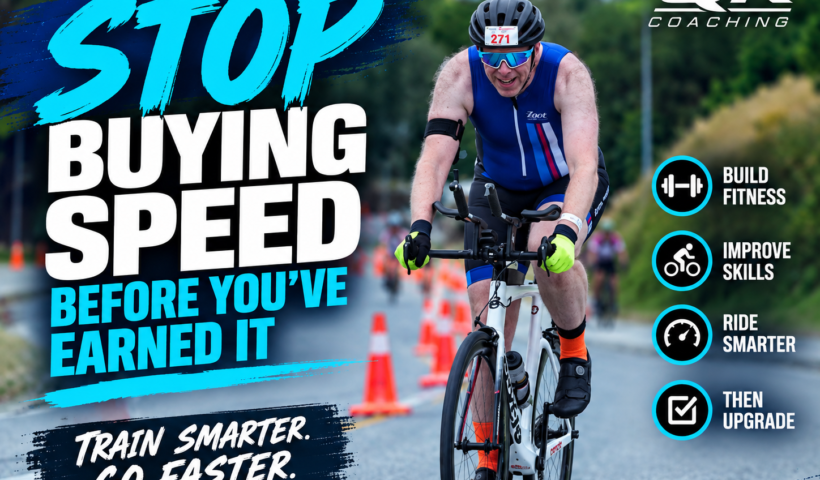
A faster Ironman bike split isn’t always about producing more power. Learn why an efficient, comfortable aerodynamic position can reduce drag, conserve energy, and set you up for a stronger marathon. Discover how the right bike position can improve your overall Ironman performance without needing to get any fitter.
View More You Don’t Need More Watts—You Need Less DragCan Anyone Become A Triathlete?
Many people think triathlon is only for elite athletes, but that’s far from the truth. Discover what it really takes to become a triathlete, the fitness foundation I recommend, and why consistent, structured training can help first-time and recreational athletes confidently prepare for Sprint and Olympic triathlons.
View More Can Anyone Become A Triathlete?Don’t Guess Your Marathon Pace – Train It Before Race Day
Running your target marathon pace is a skill that should be practised before race day. Learn why marathon pace is about more than just your watch, how to build confidence through training, and why pacing correctly from the start can make all the difference over 42.2 kilometres.
View More Don’t Guess Your Marathon Pace – Train It Before Race DayWhy Brick Sessions Teach Your Legs How to Run
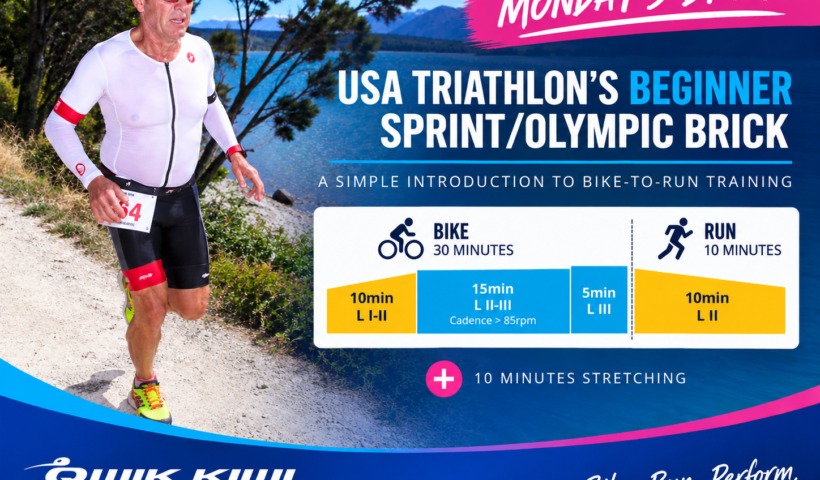
Brick sessions are one of the most valuable workouts in triathlon training. Discover why running immediately after cycling teaches your body to adapt, builds confidence for race day, improves your pacing, and helps make the bike-to-run transition feel smoother, stronger, and far more predictable when it matters most.
View More Why Brick Sessions Teach Your Legs How to RunMost Runners Get Race Pace Training Wrong
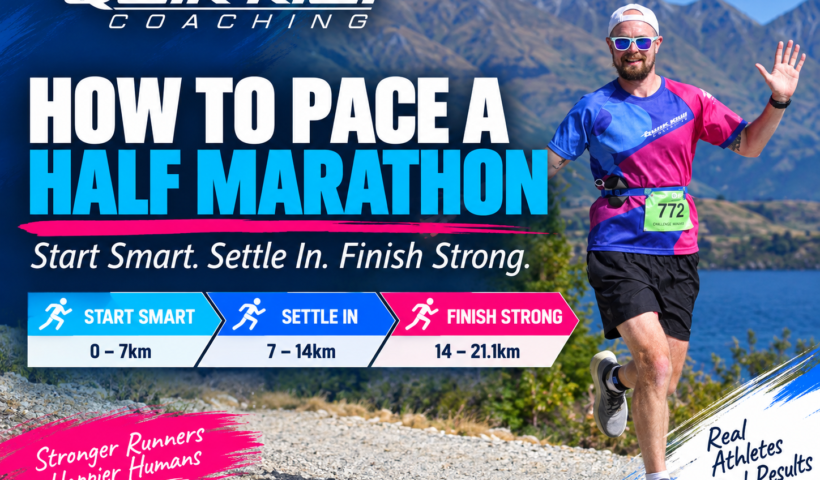
Many runners spend months training for a half marathon without ever becoming comfortable at their goal race pace. Learn why practising race pace is essential, how to include it in your training, and why confidence on race day comes from recognising the effort you’ve already mastered in training.
View More Most Runners Get Race Pace Training WrongWhat Changes When You Finally Train Like a Sub-30 Runner?
What separates a 31-minute runner from a sub-30 runner? It’s rarely talent. Discover the training habits, mindset and structured approach that consistently help runners improve their 5K performance. Learn why purposeful training beats simply running harder and how small changes can produce significant long-term results.
View More What Changes When You Finally Train Like a Sub-30 Runner?ERG Mode Isn’t Always Your Friend: When to Switch It Off
ERG mode is a powerful training tool, but using it for every indoor ride can limit your pacing skills. Learn when to use ERG mode, when to switch it off, and how balancing both approaches can make you a stronger, more confident cyclist on race day and beyond.
View More ERG Mode Isn’t Always Your Friend: When to Switch It OffYou’re Losing Free Time in Transition
Transitions are often called the fourth discipline of triathlon, yet they’re frequently overlooked in training. Learn how practising T1 and T2 can save valuable time, reduce race-day stress, and help you move smoothly from swim to bike and bike to run without getting any fitter.
View More You’re Losing Free Time in Transition