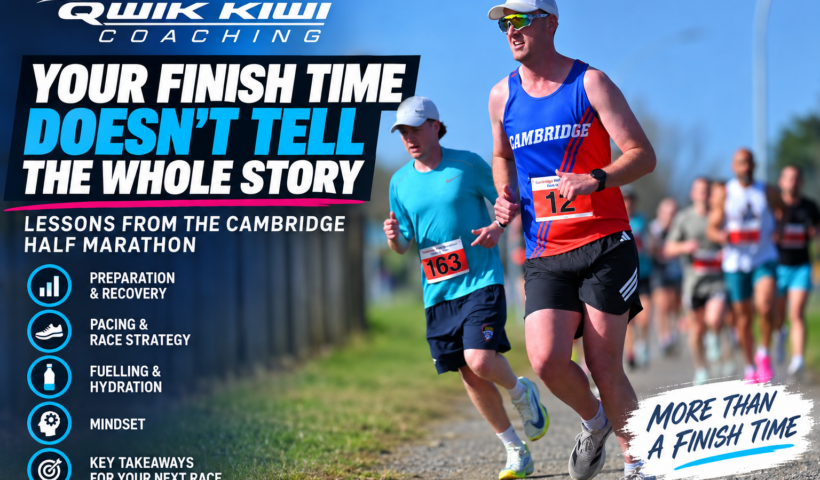
Your finishing time is only part of your race story. Using Harrison Shaw’s Cambridge Half Marathon as an example, Coach Ray explores how pacing, weather, recovery, fuelling and mindset influence performance — and why a structured race debrief can reveal valuable lessons to help you race smarter next time.
View More Did You Actually Have a Bad Race? Why Your Finish Time Doesn’t Tell the Whole StoryCategory: Marathon & Half Marathon’s
Articles that are of interest and benefit for people training for marathon’s and half marathons
Your Easy Runs Need a Purpose: Why Slower Running Matters for Marathon Training
Easy runs have an important purpose in marathon training. Learn why controlled Level II running builds aerobic fitness, supports recovery, and helps you perform better in harder sessions. Stop judging easy runs by pace alone and discover why running at the appropriate effort can make you a stronger, more consistent marathon runner.
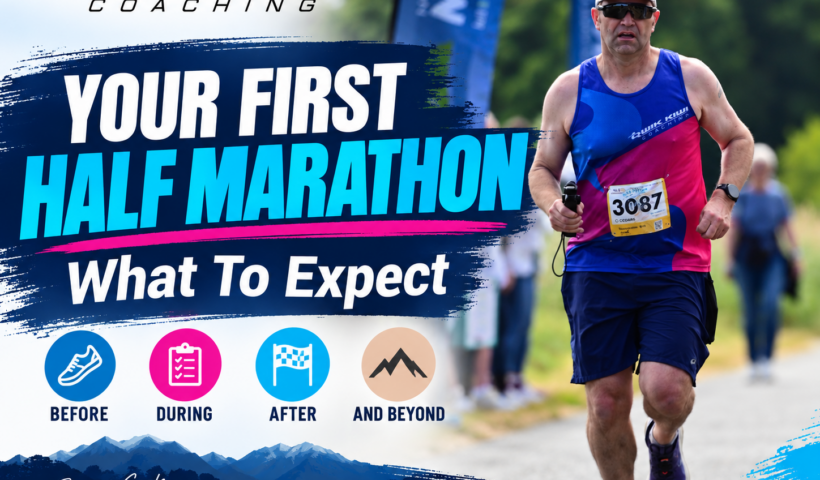
View More Your Easy Runs Need a Purpose: Why Slower Running Matters for Marathon TrainingYour First Half Marathon: What to Expect Before, During and After Race Day
Your first half marathon is exciting, challenging and full of unknowns. Learn what to expect during training, race week and across the 21.1km itself, including pacing, fuelling, fatigue and recovery. With the right preparation, you can arrive at the start line confident, prepared and ready for the challenge.
View More Your First Half Marathon: What to Expect Before, During and After Race DayStop Testing Your Marathon Fitness: Training Is Preparation, Not Proof
Stop testing your marathon fitness and start trusting your training. Constantly racing long runs, pushing marathon pace, or turning workouts into fitness tests can create unnecessary fatigue. Learn why purposeful training, strategically planned benchmarks, and consistent preparation will tell you more than repeatedly trying to prove you’re marathon-ready.
View More Stop Testing Your Marathon Fitness: Training Is Preparation, Not ProofHow to Pace a Half Marathon: Start Smart, Settle In & Finish Strong
Learn how to pace your half marathon by starting smart, settling into race pace, and finishing strong. Discover why banking time early can backfire, how to divide 21.1km into three manageable sections, when to adjust pace for conditions, and how disciplined pacing can help you race your strongest final kilometres.
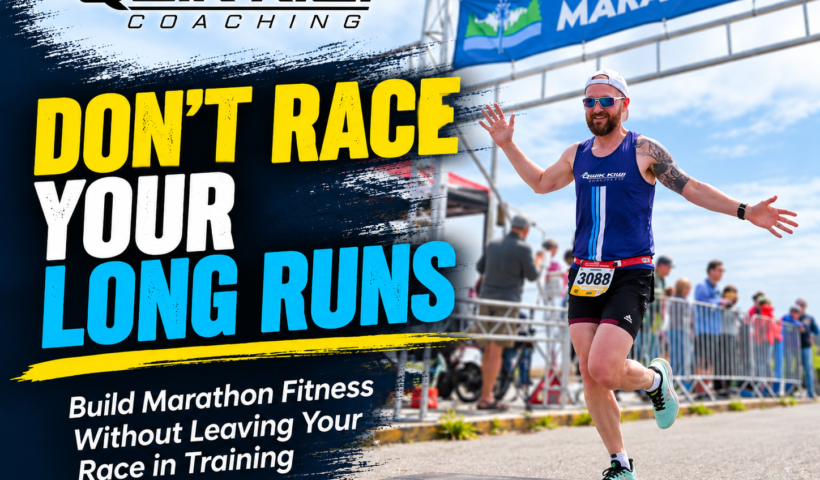
View More How to Pace a Half Marathon: Start Smart, Settle In & Finish StrongDon’t Race Your Long Runs: Build Marathon Fitness Without Leaving Your Race in Training
Don’t turn your marathon long runs into weekly races. Learn why keeping most long runs controlled at Level II can build endurance, improve recovery, and support consistent training. Discover when faster running belongs in your programme and why saving your racing for race day can help you perform at your best.
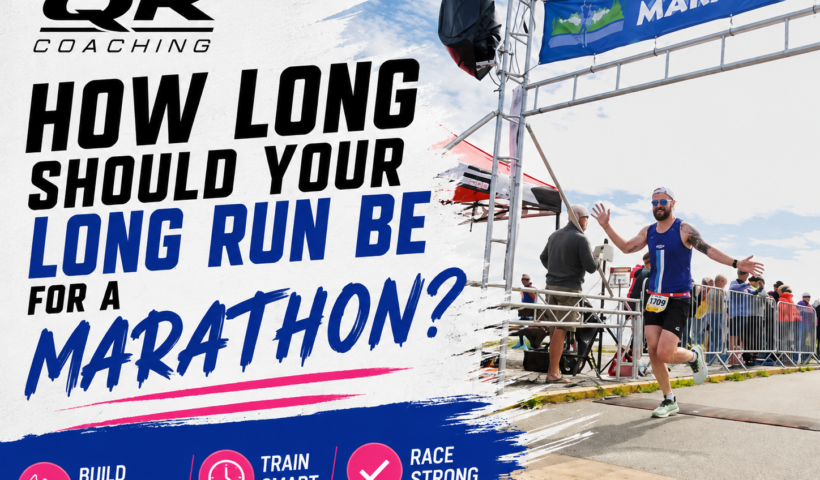
View More Don’t Race Your Long Runs: Build Marathon Fitness Without Leaving Your Race in TrainingHow Long Should Your Long Run Be for a Marathon?
Your marathon long run needs to build the endurance and durability required for 42.2 kilometres without compromising the rest of your training. Learn why there is no magic distance, how to progress your long runs appropriately, and why consistency, controlled intensity, fuelling practice and recovery matter more than one monster session.
View More How Long Should Your Long Run Be for a Marathon?Don’t Let One Bad Run Define Your Marathon Training
One bad run doesn’t define your marathon training. Learn why difficult sessions happen, how to identify useful lessons without losing confidence, and when repeated poor runs deserve closer attention. Marathon fitness is built over weeks and months, so focus on the bigger picture rather than one disappointing day.
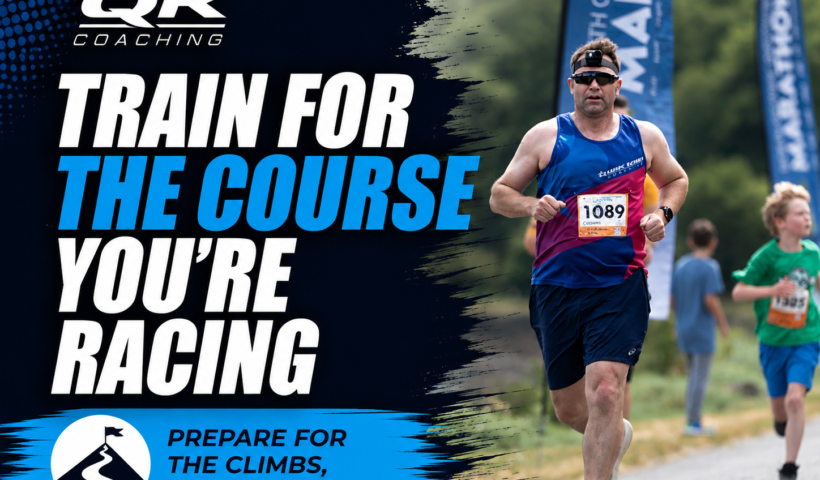
View More Don’t Let One Bad Run Define Your Marathon TrainingTrain for Your Marathon Course, Not Just the Distance
Training for a marathon means preparing for more than 42.2 kilometres. Your race course, hills, descents, terrain and conditions should influence your preparation. Learn how course-specific marathon training can build confidence, improve pacing, prepare your legs for race-day demands, and help you handle the challenges your marathon presents.
View More Train for Your Marathon Course, Not Just the DistancePractise Drinking While Running: Master Marathon Aid Stations Before Race Day
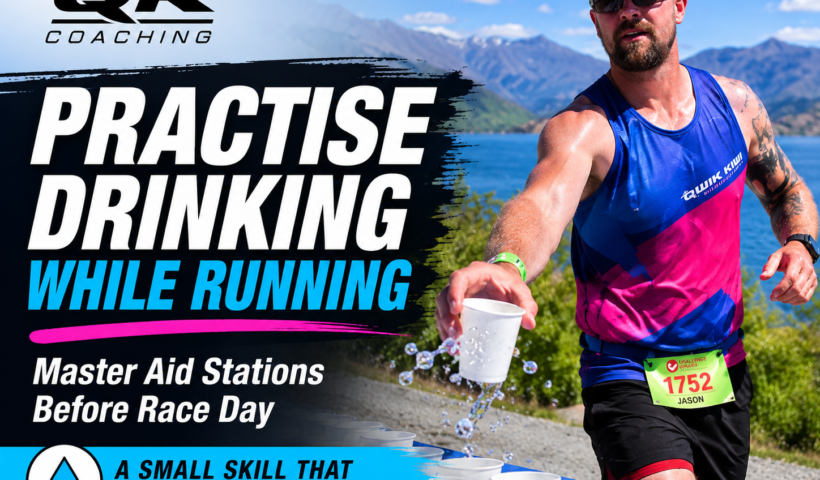
Drinking while running sounds simple until you reach a crowded marathon aid station. Learn why practising hydration during training can improve your race-day execution, from grabbing and drinking from cups to combining fluid with fuelling, so you can stay composed, hydrated, and focused throughout your marathon.
View More Practise Drinking While Running: Master Marathon Aid Stations Before Race Day