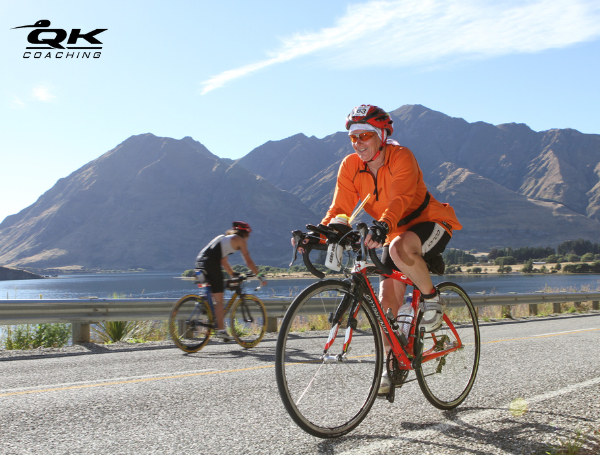
There’s a moment in almost every Challenge Wanaka race where athletes say something like:
“I don’t know what happened — I was feeling fine earlier.”
Nine times out of ten, that moment isn’t about fitness. And it’s rarely about toughness.
It’s about nutrition and hydration quietly falling apart in the background.
Wanaka doesn’t usually feel extreme. It’s often cool. The scenery is distracting in the best possible way. The bike never feels brutally hard in any single moment. But that’s exactly why nutrition mistakes sneak through undetected — until the run exposes them.
This isn’t a race where you need an aggressive or complicated fuelling strategy. But it is a race where you need consistency, patience, and a plan you can actually execute when your brain is tired.
The common mistake: “It’s cool, so I don’t need much fuel”
Cooler conditions catch a lot of athletes out.
Less sweat doesn’t mean less fuel demand. In fact, Wanaka’s rolling bike course often increases carbohydrate usage because effort keeps changing. You’re not sitting at one steady output for long periods — you’re constantly nudging effort up and down.
What I see most often is this pattern:
Athletes fuel lightly early, feel okay for a long time, and assume everything is under control. Then somewhere late on the bike or early in the run, things start to unravel. Pace drops. Focus slips. Running starts to feel harder than it should.
By the time hunger or fatigue becomes obvious, it’s already too late to fix properly.
Nutrition at Wanaka starts with bike pacing
This part gets overlooked.
If your bike pacing is too aggressive, even the best nutrition plan becomes hard to execute.
When effort drifts too high:
- digestion slows
- carbs don’t absorb as well
- drinking becomes uncomfortable
- fuelling turns reactive instead of planned
That’s why nutrition and pacing can’t be separated at Wanaka. A calm, controlled bike makes fuelling easier. An overcooked bike makes it fragile.
If athletes struggle late, it’s often not because they didn’t know what to eat — it’s because their pacing made eating difficult.
Bike fuelling: boring works best
You don’t need anything fancy here.
The athletes who run well off the bike at Wanaka usually do the same simple things:
- They start fuelling early, before hunger appears
- They take small, regular intakes rather than big hits
- They pair fuel with fluid
- They don’t “save” nutrition for later
Waiting until you feel flat is a losing strategy. Fuel early. Fuel consistently. Let it tick along in the background so you can focus on riding well.
Hydration: support effort, not thirst
Thirst is a poor guide during racing — especially in cooler conditions.
At Wanaka, under-hydration often looks subtle rather than dramatic. Athletes sip instead of drink. Bottles aren’t finished. Electrolytes are underdone.
The goal isn’t just avoiding dehydration. It’s maintaining stable effort and keeping heart rate drift under control. Good hydration supports pacing, digestion, and decision-making — all things that matter late in the race.
The run: nutrition is about maintenance
Once you’re on the run, you’re no longer trying to build energy. You’re trying to preserve it.
The athletes who run well at Wanaka tend to:
- take fuel early on the run
- keep intake simple
- use aid stations consistently
- avoid skipping fuel because they “feel okay”
Fuel doesn’t suddenly make you fast. But it allows you to keep moving well when fatigue starts creeping in — which is exactly what separates strong finishes from survival jogging over the final kilometres.
Team athletes: this still applies to you
Team athletes often underestimate nutrition because they’re only racing one leg.
But poor fuelling still affects:
- how well you execute your discipline
- how you handle pressure
- how you cope when effort rises unexpectedly
Whether you’re swimming, biking, or running, your job is still the same: arrive fuelled, hydrated, and able to execute calmly. A strong team result depends on that just as much as fitness.
A Wanaka reality check
Most late-race struggles at Wanaka aren’t random.
They’re the accumulation of small decisions:
- pacing that drifted slightly too high
- fuel delayed or skipped early
- hydration underestimated because conditions felt comfortable
The fix isn’t more grit or better luck.
It’s having a clear, realistic plan — and sticking to it when it matters.
Free download: The Ultimate Challenge Wanaka Pacing Blueprint
Nutrition works best when it supports appropriate pacing. That’s why I’ve pulled everything together into one simple framework.
You can download The Ultimate Challenge Wanaka Pacing Blueprint here:
It covers:
- pacing guardrails that support fuelling
- common Wanaka-specific mistakes to avoid
- decision-making strategies when conditions change
- a race-day plan you can trust
Fuel the race you want to run — not the one you’re forced into later.
Next up in the series: race-week preparation — what to focus on, what to leave alone, and how to arrive on the start line calm and ready to execute.