Ironman race pace

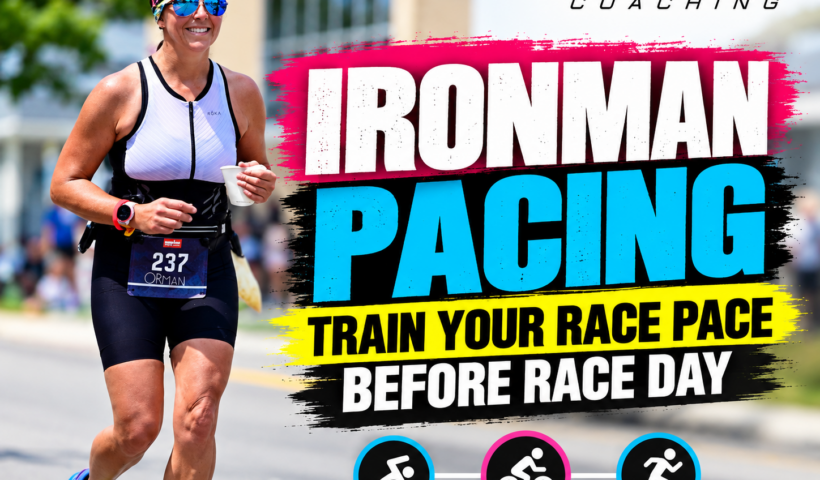
Ironman Pacing: Train Your Race Pace Before Race Day

Your Ironman pacing strategy shouldn’t be tested for the first time on race day. Learn how long rides, brick sessions and race-specific training can help you practise your target intensity, understand how it feels under fatigue, refine your pacing strategy and arrive at the start line confident in your plan.

View More Ironman Pacing: Train Your Race Pace Before Race Day
Ironman pacing

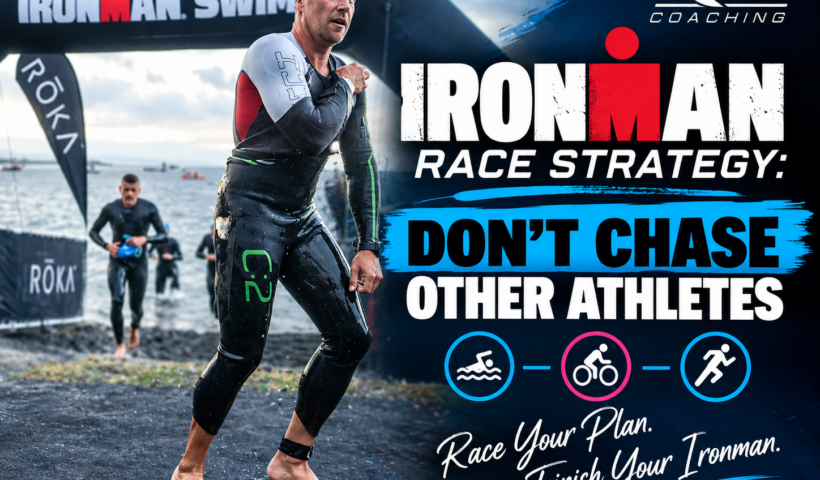
Ironman Race Strategy: Don’t Chase Other Athletes

Chasing other athletes can quickly derail your Ironman race strategy. Learn why sticking to your own pacing, effort and fuelling plan matters more than reacting to competitors around you. Stay patient, control what you can, and save your competitive energy for when it can make the biggest difference later.

View More Ironman Race Strategy: Don’t Chase Other Athletes
Ironman fuelling

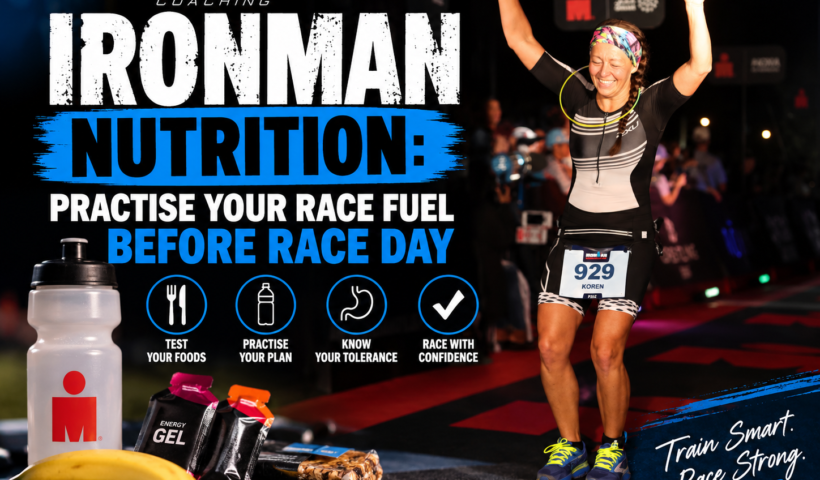
Ironman Nutrition: Practise Your Race Fuel Before Race Day

Your Ironman nutrition plan shouldn’t be tested for the first time on race day. Practising your fuelling during long rides and brick sessions helps confirm what, when, and how much you’ll consume. Rehearse your nutrition strategy in training, solve problems early, and arrive on race day confident in your plan.

View More Ironman Nutrition: Practise Your Race Fuel Before Race Day
Ironman run strategy

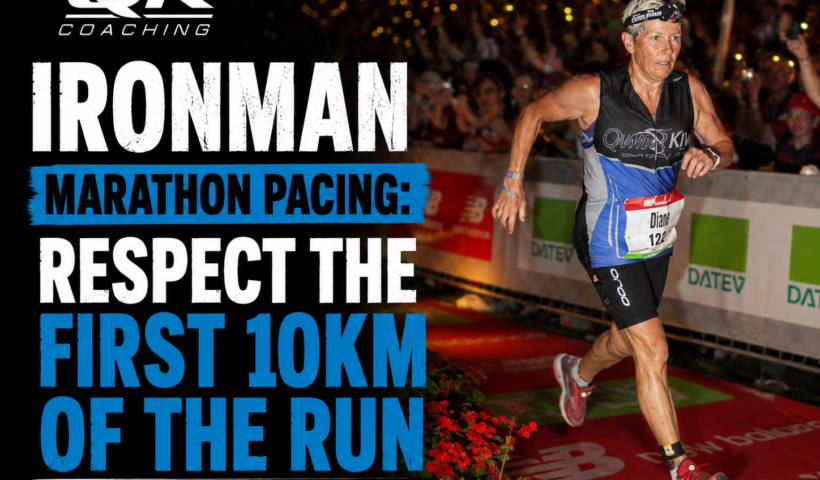
Ironman Marathon Pacing: Respect the First 10km

Respecting the first 10km is crucial to a strong Ironman marathon. Starting too fast can cost you dearly later. Learn why controlling your early pace, maintaining your fuelling, and letting others go can conserve valuable energy and give you the best chance of running strongly towards the finish line.

View More Ironman Marathon Pacing: Respect the First 10km
Ironman training

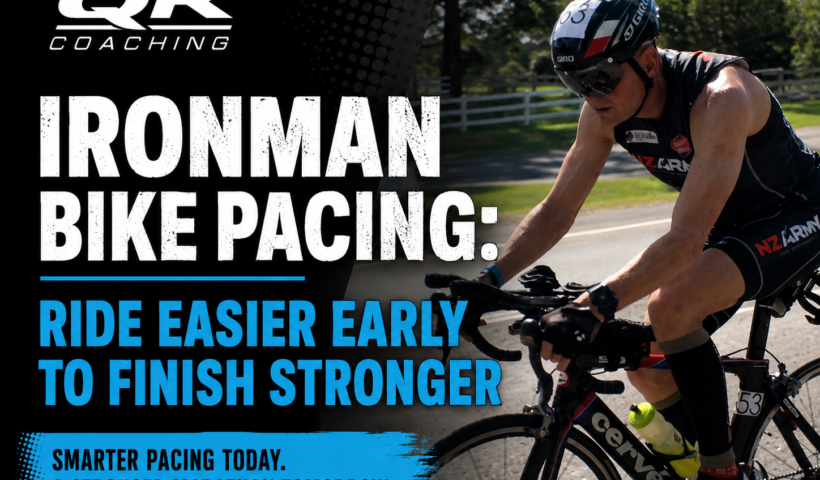
Ironman Bike Pacing: Ride Easier Early to Finish Stronger

Riding too hard early in an Ironman can cost you dearly later. Learn why a controlled start to the 180km bike leg helps conserve energy, establish your fuelling routine, and protect your marathon. Smart Ironman bike pacing isn’t about riding slowly—it’s about setting yourself up to finish stronger.

View More Ironman Bike Pacing: Ride Easier Early to Finish Stronger
Ironman aid stations

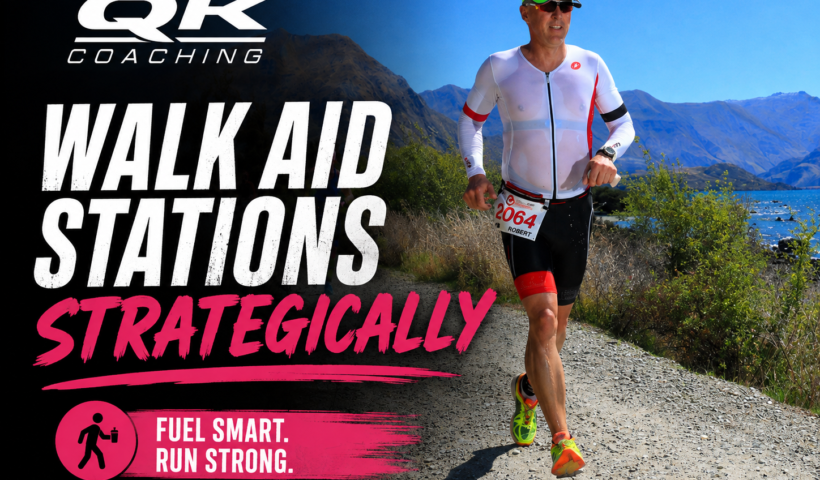
Ironman Marathon Strategy: Walk the Aid Stations Strategically

Walking aid stations during an Ironman marathon isn’t a sign your race has gone wrong—it can be a smart, planned strategy. Learn how short, purposeful walking breaks can improve fuelling, hydration, pacing, and mental focus, helping you run more consistently and potentially achieve a faster overall marathon.

View More Ironman Marathon Strategy: Walk the Aid Stations Strategically
Ironman swim pacing

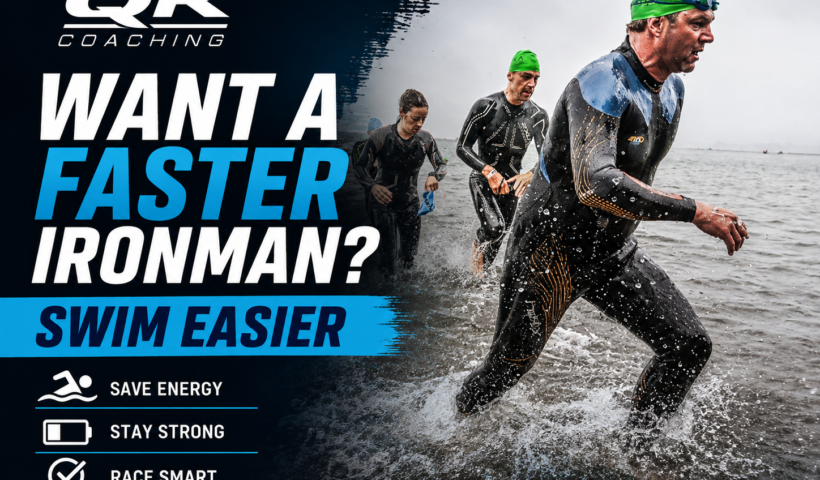
Want a Faster Ironman? Swim Easier

Swimming harder doesn’t always mean racing faster in an Ironman. Learn why a controlled, efficient swim can conserve valuable energy for the bike and marathon. By pacing wisely, staying relaxed, and focusing on efficiency, you can exit the water ready to perform strongly throughout the rest of your race.

View More Want a Faster Ironman? Swim Easier
Ironman 70.3 training

Why Consistency Matters More Than Epic Training Days

Consistency is the foundation of successful Ironman 70.3 training. Discover why regular, purposeful training sessions deliver better results than occasional epic workouts, and learn how structured swim, bike, run, and recovery sessions help first-time and recreational triathletes arrive at race day confident and prepared.

View More Why Consistency Matters More Than Epic Training Days
Ironman training

The Ironman Muscle Nobody Trains

Long Ironman training sessions do far more than build physical fitness. They develop mental resilience, confidence, and the ability to make good decisions when fatigue sets in. Discover why training your mind is just as important as training your body for a successful Ironman finish.

View More The Ironman Muscle Nobody Trains
Ironman 70.3 training

The Biggest Mistakes First-Time Ironman 70.3 Athletes Make

Preparing for your first Ironman 70.3? Discover the biggest mistakes first-time athletes make and learn how consistent training, smart recovery, balanced preparation, and a structured plan can help you arrive at race day confident, prepared, and ready to enjoy your best long-course triathlon experience.

View More The Biggest Mistakes First-Time Ironman 70.3 Athletes Make