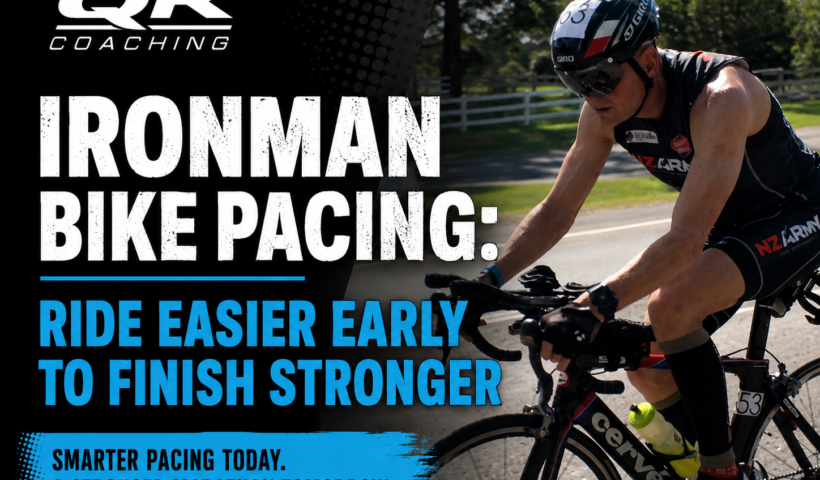
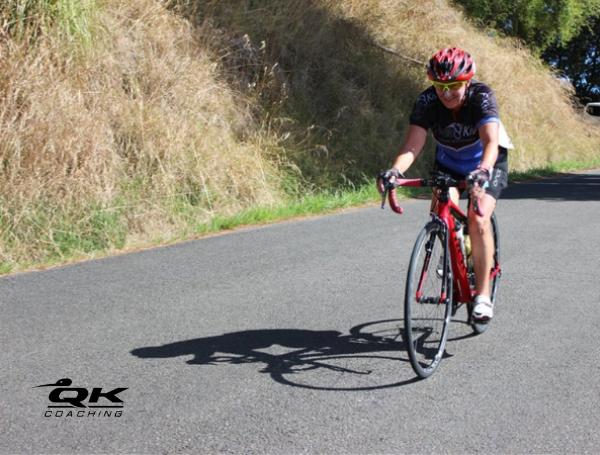
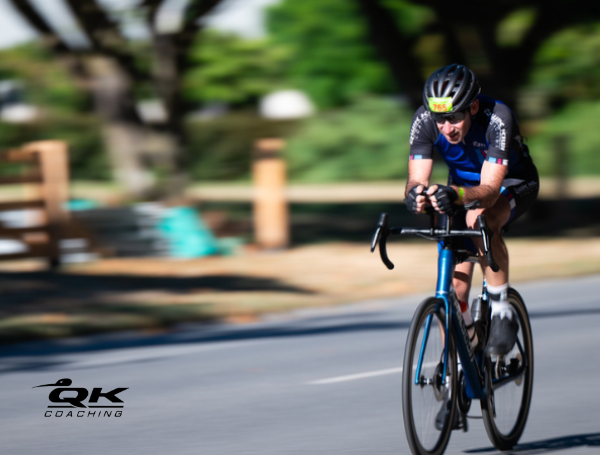
Riding too hard early in an Ironman can cost you dearly later. Learn why a controlled start to the 180km bike leg helps conserve energy, establish your fuelling routine, and protect your marathon. Smart Ironman bike pacing isn’t about riding slowly—it’s about setting yourself up to finish stronger.
View More Ironman Bike Pacing: Ride Easier Early to Finish StrongerTag: triathlon bike pacing
Ride Too Hard, Pay for It on the Run: How to Pace the Bike Smarter
Learn how to pace the bike smarter in your next triathlon. Discover why riding too hard can compromise your run, how controlled effort protects your legs, and why smart pacing and effective fuelling can help you finish stronger. Your fastest overall triathlon doesn’t always require your fastest bike split.
View More Ride Too Hard, Pay for It on the Run: How to Pace the Bike SmarterDraft Legally Whenever You Can
Knowing how to ride legally and efficiently during an Ironman 70.3 can save valuable energy for the run. Learn the difference between illegal drafting and smart race tactics, plus practical strategies for passing efficiently, maintaining your rhythm, and executing a disciplined bike leg from start to finish.
View More Draft Legally Whenever You CanThe First 30 Minutes Can Ruin Your Ironman
The first 30 minutes of the Ironman bike leg can determine how the rest of your race unfolds. Learn why riding too hard early is one of the biggest mistakes athletes make, and how disciplined pacing can set you up for a stronger, faster marathon and overall finish.
View More The First 30 Minutes Can Ruin Your IronmanWhy Testing Your FTP Now Makes You Race Better
Regular FTP testing—especially using a ramp test—helps athletes train and race with accurate, up-to-date power targets without excessive fatigue. This article explains why testing every 4–6 weeks improves pacing, reduces race-day risk, and leads to smarter execution in key endurance events.
View More Why Testing Your FTP Now Makes You Race BetterChallenge Wanaka Bike Leg Deep Dive
Challenge Wanaka’s bike leg is deceptively demanding, with rolling terrain and exposed sections that punish overly aggressive pacing. In this article, I break down how to ride smooth and controlled, avoid costly power spikes, and protect your run so you can finish strong — plus a free Wanaka-specific pacing blueprint to guide your race-day strategy.
View More Challenge Wanaka Bike Leg Deep DiveChallenge Wanaka: A Complete Swim, Bike & Run Pacing Strategy
Pacing is everything at Challenge Wanaka. A controlled swim, disciplined bike, and measured run can make the difference between a strong finish and a fade-out. In this article, I break down a complete swim–bike–run strategy for the Wanaka 70.3, including common pacing mistakes and how to avoid them — plus a free downloadable Challenge Wanaka Pacing Blueprint to guide your race day decisions.
View More Challenge Wanaka: A Complete Swim, Bike & Run Pacing StrategyChallenge Wanaka: What Makes This Course Different (and Why That Matters for Your Race Plan)
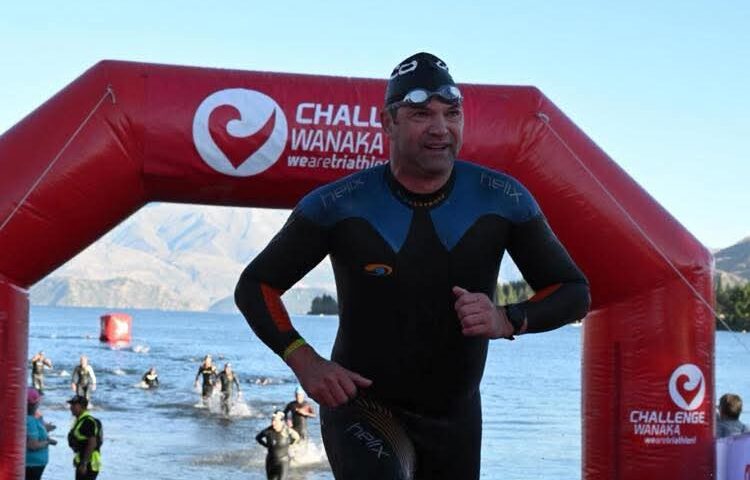
Challenge Wanaka is not a standard 70.3 triathlon. Cold morning conditions, a deceptively demanding bike course, and an honest, exposed run mean that small pacing mistakes quickly become big problems. In this article, I break down what makes the Wanaka course different, where athletes commonly go wrong, and how a smarter race plan can help you arrive at the run ready to perform — not just survive.
View More Challenge Wanaka: What Makes This Course Different (and Why That Matters for Your Race Plan)