
Challenge Wanaka is often described as a stunning race.
And it is.
But if you’re racing it — whether as an individual or part of a team — beauty is the least important thing you should be thinking about on race day.
Because Challenge Wanaka is not a standard Ironman 70.3–style event.
Athletes who approach it like “just another half” often find themselves asking the same questions halfway through the run:
Why does this feel harder than expected?
Why did my legs disappear so early?
Why am I fading when my fitness felt solid?
The answer usually isn’t fitness.
It’s misunderstanding the course.
As someone who races Challenge Wanaka regularly and prepares athletes for this event every year, I can say this with confidence:
Wanaka rewards patience, restraint, and precision — and punishes ego.
Let’s break down exactly what makes this race different, and why your race plan needs to respect that from the very first stroke.
Why Challenge Wanaka Is Not a “Standard” 70.3
On paper, Challenge Wanaka looks familiar:
- 1.9 km swim
- 90 km bike
- 21.1 km run
But the way those distances are delivered makes all the difference.
What separates Wanaka from many other medium-distance races is that:
- There are very few places to “hide”
- Small pacing mistakes compound quickly
- The run reflects every decision you made on the bike
This is not a race where you can “make it up later”.
The Cold Morning Swim: Calm Beats Aggression
Race morning in Wanaka is often cold — sometimes very cold.
That changes things immediately.
What athletes get wrong
- Treating the swim like a warm-up
- Starting too hard to “get it done”
- Panicking when breathing feels restricted early
Cold water increases:
- Initial breathing rate
- Perceived effort
- Muscle tension
If you fight the water early, you pay for it later.
What works better
- A controlled, rhythm-first swim
- Letting effort settle before trying to move through the field
- Exiting the water calm and composed, not breathless
Remember:
You don’t win Challenge Wanaka in the swim — but you can absolutely compromise your bike before it even starts.
The Bike: Rolling Terrain Demands Honest Pacing
The Wanaka bike course is deceptively hard.
It’s not brutal.
It’s not mountainous.
But it is constantly asking questions.
Rolling terrain, exposed sections, and changing conditions make this a course where:
- Power spikes sneak in unnoticed
- Athletes “feel good” right up until they don’t
- Over-biking rarely shows up until the run
The big trap
Athletes ride this course too aggressively early because:
- Nothing feels especially hard
- The scenery distracts from effort creep
- The pace feels sustainable… until it isn’t
This is where Wanaka quietly takes time from people.
The smart approach
- Ride with discipline, not emotion
- Accept slightly lower ego metrics early
- Keep effort boringly controlled over the first half
The goal is not the fastest bike split possible.
The goal is the fastest combined swim + bike + run outcome.
The Run: Honest, Exposed, and Relentless
The Wanaka run is not flashy.
It’s not technical.
And it doesn’t give much back.
What makes it hard is that:
- It’s isolated – it can be lonely out on the run
- It reflects accumulated fatigue
- It punishes athletes who rode just 3–5% too hard
Why athletes fade
Most fade-outs aren’t because of poor run fitness.
They happen because the run begins with:
- Residual bike fatigue
- Glycogen debt
- Neuromuscular fatigue from over-gearing or surging
The first 5 km feels manageable — and that’s the danger.
What strong runs have in common
- Conservative first 3–5 km
- Locked-in rhythm, not chasing pace
- Acceptance that this is a long half marathon
Athletes who run well at Wanaka don’t look spectacular early — they just keep moving forward while others slow.
Why This All Matters for Your Race Plan
Challenge Wanaka doesn’t require heroics.
It requires:
- Clear pacing boundaries
- Emotional restraint
- Respect for how fatigue accumulates
If you get the plan right:
- The race feels controlled
- You stay mentally engaged
- The final third of the run becomes your strength
If you get it wrong:
- Wanaka exposes it, slowly and publicly
This is why I’ve created a specific pacing guide for this race — because generic 70.3 advice doesn’t fully apply here.
Free Download: The Ultimate Challenge Wanaka Pacing Blueprint
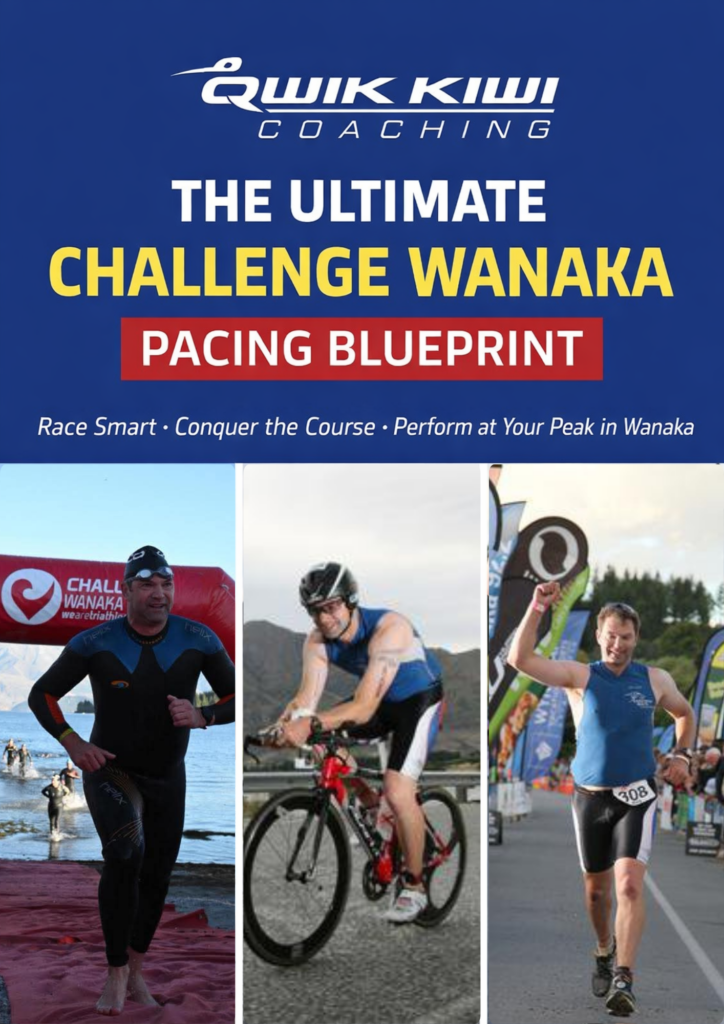
If you want a clear, practical pacing framework for:
- Swim effort control
- Bike pacing on rolling terrain
- Run execution off a fatigued bike
You can download my free guide here:
👉 The Ultimate Challenge Wanaka Pacing Blueprint
🔗 https://wanakapacing.online/
This blueprint is designed to help you:
- Race your race, not someone else’s
- Avoid the most common Wanaka mistakes
- Arrive at the run ready to execute, not survive
Coming Up Next in This Series
This article sets the foundation.
In the coming weeks, I’ll dive deeper into:
- How to ride the Wanaka bike leg without killing your run
- Why the run breaks so many athletes
- Nutrition, race-week prep, and team racing strategy
Whether you’re racing Challenge Wanaka for the first time — or returning to do it better — this series will help you arrive prepared, confident, and realistic.
Train smart.
Race with intent.
And respect what Wanaka asks of you.