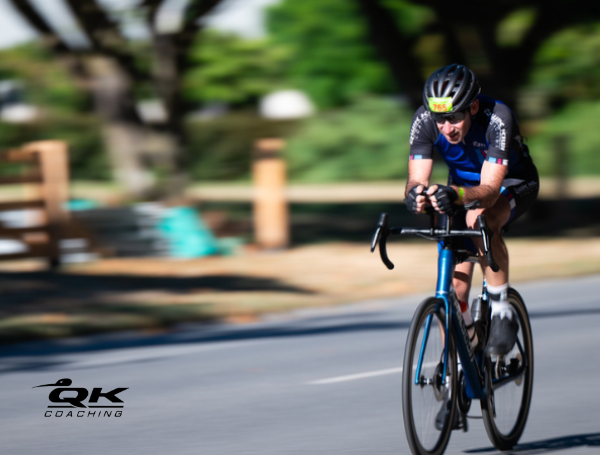
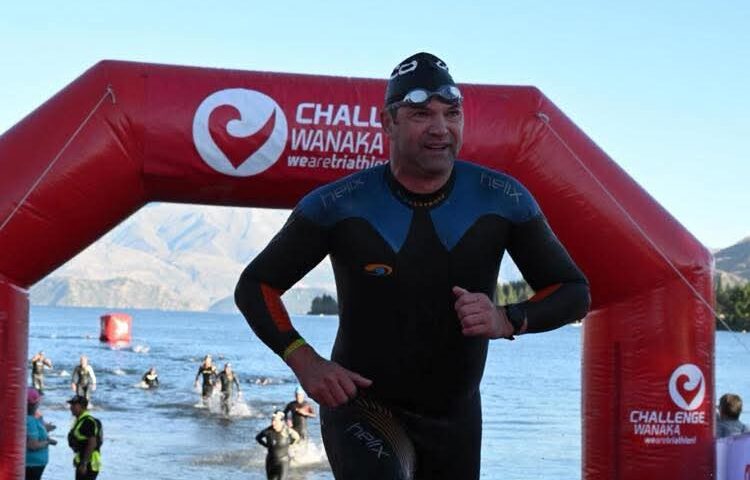
Regular FTP testing—especially using a ramp test—helps athletes train and race with accurate, up-to-date power targets without excessive fatigue. This article explains why testing every 4–6 weeks improves pacing, reduces race-day risk, and leads to smarter execution in key endurance events.
View More Why Testing Your FTP Now Makes You Race BetterTag: triathlon bike pacing
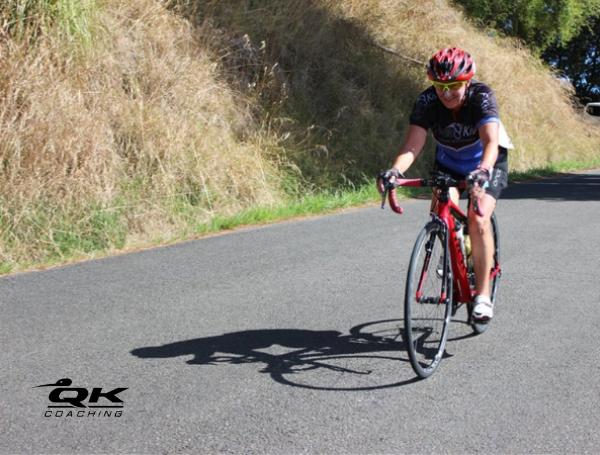
Challenge Wanaka Bike Leg Deep Dive
Challenge Wanaka’s bike leg is deceptively demanding, with rolling terrain and exposed sections that punish overly aggressive pacing. In this article, I break down how to ride smooth and controlled, avoid costly power spikes, and protect your run so you can finish strong — plus a free Wanaka-specific pacing blueprint to guide your race-day strategy.
View More Challenge Wanaka Bike Leg Deep DiveChallenge Wanaka: A Complete Swim, Bike & Run Pacing Strategy
Pacing is everything at Challenge Wanaka. A controlled swim, disciplined bike, and measured run can make the difference between a strong finish and a fade-out. In this article, I break down a complete swim–bike–run strategy for the Wanaka 70.3, including common pacing mistakes and how to avoid them — plus a free downloadable Challenge Wanaka Pacing Blueprint to guide your race day decisions.
View More Challenge Wanaka: A Complete Swim, Bike & Run Pacing StrategyChallenge Wanaka: What Makes This Course Different (and Why That Matters for Your Race Plan)
Challenge Wanaka is not a standard 70.3 triathlon. Cold morning conditions, a deceptively demanding bike course, and an honest, exposed run mean that small pacing mistakes quickly become big problems. In this article, I break down what makes the Wanaka course different, where athletes commonly go wrong, and how a smarter race plan can help you arrive at the run ready to perform — not just survive.
View More Challenge Wanaka: What Makes This Course Different (and Why That Matters for Your Race Plan)