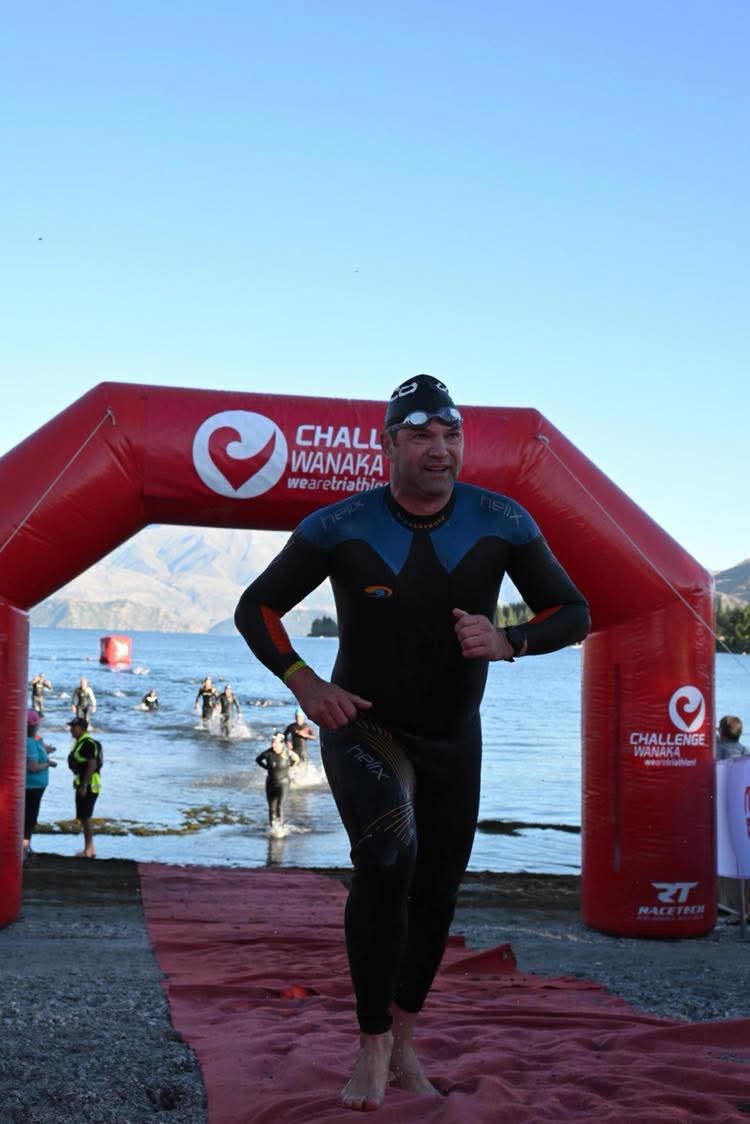
How to Race Smart from Start Line to Finish Line
If there’s one thing that consistently separates strong performances at Challenge Wanaka from disappointing ones, it isn’t fitness.
It’s pacing.
Every year I work with well-prepared athletes who could have raced better — not by training harder, but by making clearer, calmer decisions on race day.
Challenge Wanaka doesn’t reward aggression.
It rewards discipline and restraint.
This article will walk you through a complete, end-to-end pacing strategy for the swim, bike, and run — and explain why each decision matters on this particular course.
If you haven’t already, I highly recommend starting with last week’s article: “Challenge Wanaka: What Makes This Course Different (and Why That Matters for Your Race Plan)”. It dives into the unique aspects of the Wanaka course — from the cold morning swim to the rolling bike terrain and honest run — and explains why understanding these details is essential before you even think about pacing. Reading it first will give you the context you need to make this week’s swim, bike, and run strategies much more effective.
Pacing at Challenge Wanaka Is About Damage Control
This is the most important mindset shift you can make:
Your goal is not to maximise output early — it’s to minimise losses later.
Because Wanaka is:
- Cool in the morning
- Rolling and exposed on the bike
- Honest and unforgiving on the run
Small overreaches early compound into big slowdowns late.
Pacing well here is about:
- Staying inside yourself early
- Letting others go when needed
- Backing your ability to move forward in the second half of the race
Swim Pacing: Controlled, Calm, and Purposeful
The biggest mistake
Athletes treat the swim as a warm-up and start too hard — especially in cold water.
Cold conditions elevate:
- Heart rate
- Breathing rate
- Perceived effort
If you fight this early, you exit the water already stressed.
A smarter swim approach
- Start at an effort you can control your breathing with
- Focus on rhythm before speed
- Build gently once the body settles
Your goal is not the fastest possible swim — it’s an uneventful, efficient exit that sets up the bike.
Bike Pacing: The Discipline That Defines Your Run
The Wanaka bike leg is where most races are quietly lost.
Not because it’s extreme — but because it encourages athletes to ride just a little too hard for too long.
Common bike pacing errors
- Chasing average speed instead of controlling effort
- Surging over rollers
- Riding emotionally rather than deliberately
These mistakes often don’t show up until the run.
What works at Wanaka
- Keep effort smooth and repeatable
- Let speed fluctuate — protect effort instead
- Stay patient in the first half, even if it feels easy
If you get off the bike thinking “I could have gone harder”, you’ve probably paced it well.
Run Pacing: Start Slower Than You Think You Should
The first 3–5 km of the Wanaka run are where the race is decided.
Athletes who blow up don’t usually do it immediately — they do it gradually by running too fast while things still feel manageable.
The trap
- Running to pace rather than feel
- Ignoring early warning signs
- Paying for bike decisions made an hour earlier
The smart run strategy
- Start conservatively
- Lock into rhythm, not speed
- Let effort guide pace as conditions change
Strong Wanaka runs are built on restraint early and resilience late.
Team vs Individual Pacing: Different Roles, Same Discipline
Team athletes often underestimate pacing demands — especially on the bike and run legs.
Even when racing one discipline:
- You still need controlled pacing
- You still need to manage effort and fatigue
- You still need to support the overall team outcome
The principles don’t change — only the execution.
Why Generic 70.3 Advice Falls Short at Wanaka
Most pacing advice is written for:
- Flat courses
- Warmer conditions
- Predictable terrain
Challenge Wanaka is none of those things.
That’s why I created a Wanaka-specific pacing guide — so athletes aren’t guessing on race day.
Free Download: The Ultimate Challenge Wanaka Pacing Blueprint
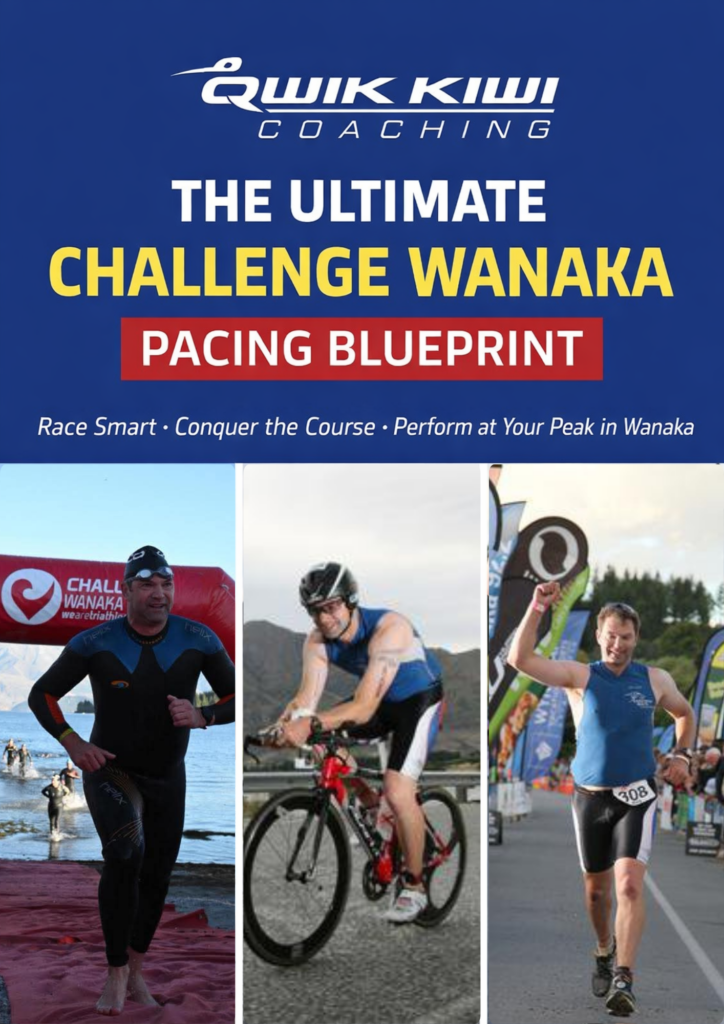
If you want clear, practical guidance on:
- Swim effort control
- Bike pacing ranges and terrain management
- Run execution off a fatigued bike
- Common Wanaka-specific mistakes to avoid
You can download my free guide here:
👉 The Ultimate Challenge Wanaka Pacing Blueprint
🔗 https://wanakapacing.online/
This blueprint gives you:
- Clear pacing guardrails
- Decision-making frameworks
- Confidence to stick to your plan when others don’t
What’s Coming Next
In the next article, I’ll take a deep dive into the Wanaka bike course — explaining exactly how to ride it strong without destroying your run.
If you want to race Challenge Wanaka well, don’t just train harder.
Pace smarter.