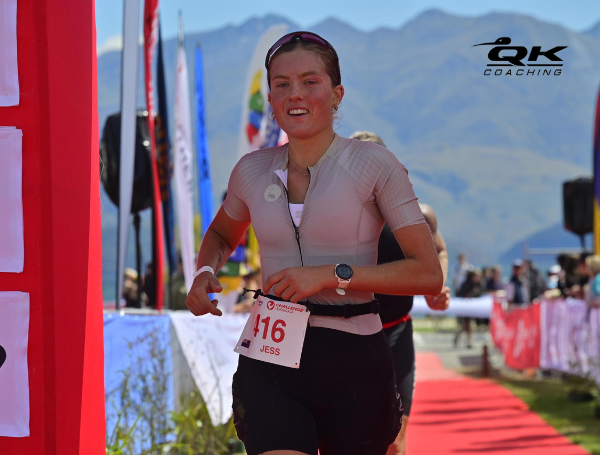
Running a half marathon after a 1.9km swim and 90km bike ride can feel overwhelming. Learn how breaking the run into smaller, manageable segments helps you stay mentally focused, reduce fatigue, and execute a smarter Ironman 70.3 race from T2 all the way to the finish line.
View More Don’t Run 21.1km… Do This Instead!Tag: coach ray triathlon coaching
Why Brick Sessions Teach Your Legs How to Run
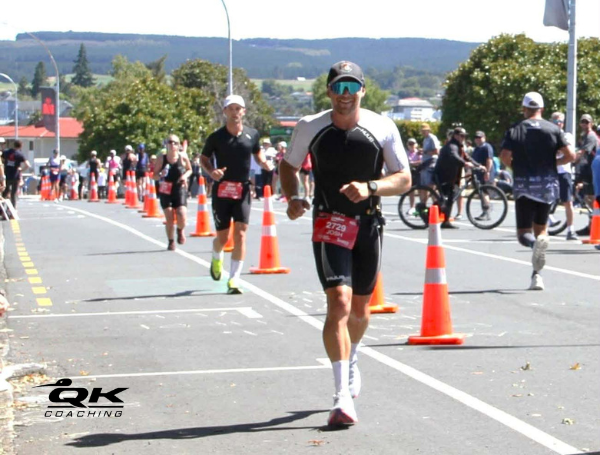
Brick sessions are one of the most valuable workouts in triathlon training. Learn why running immediately after cycling helps your body adapt, improves your bike-to-run transition, builds confidence for race day, and teaches your legs to run more efficiently when it matters most.
View More Why Brick Sessions Teach Your Legs How to RunTransition Is Free Speed: How to Save Time Without Getting Fitter
Improve your triathlon time without getting any fitter by mastering your transitions. Learn why T1 and T2 are the fourth discipline of triathlon, how simple practice can save valuable time, and why efficient transitions can be the easiest way to achieve a faster overall race result.
View More Transition Is Free Speed: How to Save Time Without Getting FitterStop Racing Other Athletes. Race Your Plan.
Many Ironman 70.3 athletes waste valuable energy by chasing other competitors on the bike. Learn why sticking to your own pacing strategy leads to a stronger overall race, a better run, and smarter race execution. Success comes from riding your plan—not someone else’s.
View More Stop Racing Other Athletes. Race Your Plan.Why Brick Sessions Teach Your Legs How to Run
Brick sessions are one of the most valuable workouts in triathlon training. Discover why running immediately after cycling teaches your body to adapt, builds confidence for race day, improves your pacing, and helps make the bike-to-run transition feel smoother, stronger, and far more predictable when it matters most.
View More Why Brick Sessions Teach Your Legs How to RunYou’re Losing Free Time in Transition
Transitions are often called the fourth discipline of triathlon, yet they’re frequently overlooked in training. Learn how practising T1 and T2 can save valuable time, reduce race-day stress, and help you move smoothly from swim to bike and bike to run without getting any fitter.
View More You’re Losing Free Time in TransitionYour Ironman 70.3 Will Get Hard… Then What?
Every Ironman 70.3 athlete faces a moment when the race gets tough. Success often comes down to how you respond. Learn practical mental strategies to stay calm, regain control, and keep moving forward when fatigue, doubt, or unexpected challenges threaten to derail your race.
View More Your Ironman 70.3 Will Get Hard… Then What?The First 10 Minutes Can Ruin Your Triathlon
Many triathletes sabotage their race before it has properly begun by going too hard in the first 10 minutes. Learn why adrenaline can trick you into poor pacing decisions, how to stay controlled early, and why a patient start often leads to a stronger swim, bike, run, and finish.
View More The First 10 Minutes Can Ruin Your TriathlonIf Your First 2km Feels Good, You’re Running Too Fast
Many Ironman 70.3 athletes sabotage their run by starting too fast out of T2. Learn why the first 2km should feel easy, how to pace the run leg more effectively, and why patience early can lead to a stronger finish and a faster overall race.
View More If Your First 2km Feels Good, You’re Running Too FastWhy Your Easy Sessions Might Be Too Hard
Many triathletes train too hard on their easy days, accumulating fatigue without maximising fitness gains. Learn why easy training is essential for endurance performance, how to avoid the grey zone trap, and why slowing down during recovery sessions may be the key to becoming a faster triathlete.
View More Why Your Easy Sessions Might Be Too Hard