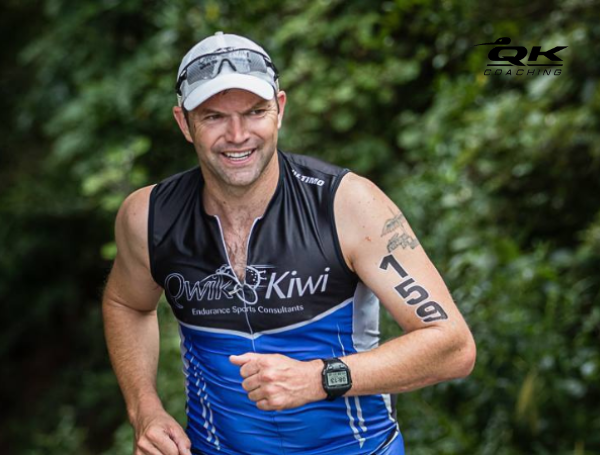
Triathlon is a sport that rewards consistency, patience, and good decision-making.
Most athletes don’t struggle because they aren’t working hard enough — they struggle because they’re unsure what to do, when to do it, or how to balance training with everything else going on in life.
That’s where coaching makes the difference.
My job isn’t just to give you workouts. My job is to help you become a better athlete — stronger, more confident, and more capable of racing well when it matters.
Whether you’re training for your first sprint triathlon or chasing a breakthrough performance at half or full Ironman, coaching gives you direction, structure, and clarity.
Coaching built around real life
You don’t live like a professional athlete — and you shouldn’t have to train like one either.
The athletes I coach are balancing work, family, study, and all the other commitments that come with real life. The plan has to fit you, not the other way around.
That means:
- Training structured around your weekly rhythm
- Smart progression without unnecessary fatigue
- Flexibility when life inevitably changes
- Clear communication so you always understand the “why”
Good training isn’t about doing more. It’s about doing the right work at the right time.
A calm, long-term approach to improvement
There’s no magic session.
Progress comes from stacking good weeks together — building fitness layer by layer until race day feels like a natural outcome of the work you’ve already done.
I focus heavily on:
- Aerobic development and endurance durability
- Efficiency across swim, bike, and run
- Race execution and pacing strategy
- Confidence under fatigue
- Learning how to race, not just how to train
Athletes often tell me they feel more relaxed and more confident once coaching starts — because suddenly there’s a clear direction.
Who I coach
I work with a wide range of athletes, but many fall into one of these groups:
Athletes new to triathlon
You want structure, guidance, and someone to help you avoid common mistakes.
Runners or swimmers moving into triathlon
You’ve already got strengths — now we build the missing pieces without losing what you’re good at.
Long-course athletes
Ironman and Ironman 70.3 racing requires patience and strategy. We focus on energy management and race execution.
Athletes wanting to race smarter
You’ve trained hard before but feel like your race results don’t reflect your fitness.
What coaching looks like
Every athlete is different, but coaching usually includes:
- Individualised weekly training delivered through Training Tilt with both of it’s web-based and app-based platforms
- Adjustments based on fatigue, life stress, and progress
- Clear feedback and analysis
- Race planning and debriefs
- Guidance on pacing, fueling, and preparation
- Ongoing communication and support
You’ll know what you’re doing — and why you’re doing it.
The coaching philosophy
I believe in training with purpose.
That means:
- No junk miles
- No unnecessary complexity
- No ego-based training
Instead, we focus on consistency, strong fundamentals, and smart execution.
I want you finishing races feeling proud — not broken.
Results that matter
Yes, athletes achieve PBs, qualify for events, and reach goals they didn’t think were possible.
But the biggest wins are often quieter:
- Feeling in control on race day
- Understanding your pacing
- Knowing how to manage effort
- Finishing strong instead of hanging on
That’s real progress.
Is coaching right for you?
If you want someone to simply send you sessions without context, I’m probably not the right coach.
If you want:
- Guidance and clarity
- Honest feedback
- A long-term approach
- Coaching that adapts as you grow
… then we’ll likely work very well together.
Start with a conversation
Every athlete starts with a simple chat.
We’ll talk about your background, your goals, what’s working, what’s not, and whether coaching with me feels like the right fit for you.
No pressure. Just a conversation.