
Prepare with purpose. Race with confidence. Finish with strength.
An ultra marathon asks more of you than just fitness.
It asks for patience early. Discipline when you feel good. Calm when things start to wobble. It asks you to manage pace, nutrition, fatigue, terrain, and your own thoughts for far longer than most races ever will.
That is why ultra marathon preparation needs more than just a bigger training week.
It needs structure. It needs a plan that fits your life. And it needs coaching that helps you make the right decisions before race day, so you are not trying to figure it all out when the course starts asking harder questions.
At Qwik Kiwi Coaching, that is the focus.
Not just helping you get to the start line, but helping you arrive there knowing you have prepared in a way you can trust.
The coaching approach at Qwik Kiwi Coaching is built around helping athletes achieve their potential through structured training, regular coaching support, and a programme that guides them toward their event rather than leaving them guessing from week to week. Current coaching options include personalised weekly coaching through both the Qwik Kiwi Elite and Team Qwik Kiwi coaching packages, regular group coaching calls, and access to a private Facebook group, alongside more budget-conscious Training plan options through the Qwik Kiwi Tribe.
Ultra marathon training is not just “more running”
A lot of runners come into the ultra space thinking the answer is simply to run further, add more long runs, or keep stacking volume until they feel tough enough.
But that is often where things start to come unstuck.
Ultra preparation is about building durability without burying yourself. It is about learning how to hold back early, fuel consistently, manage effort across changing terrain, and keep moving well when the day stops feeling fresh. The broader concept keeps returning to that same idea: strong endurance performances come from controlled effort, smart execution, and consistent, repeatable training rather than emotional racing or random hero sessions.
That matters even more in an ultra.
Because in long races, poor decisions rarely show up immediately. They show up later. On the climb that suddenly feels steeper than it should. In the stomach that no longer wants fuel. In the legs that start negotiating far earlier than planned.
Good ultra coaching helps you reduce those moments.
What ultra runners really need
Preparing for an ultra means building more than one quality at a time.
- You need the aerobic base to keep going.
- You need the strength to handle hills, descents, and accumulated fatigue.
- You need the confidence to pace properly instead of reacting to everyone around you.
- You need a fuelling strategy that works in the real world, not just in theory.
- And you need a training structure that is repeatable, so you are not relying on the occasional “good day”.
That is the kind of preparation this coaching is built around.
The key to success is for athletes to deliver sustainable, controlled work: building endurance first, then layering in appropriate intensity, while keeping the effort honest and the training structured. This will protect the athlete from early overreach.
Coaching for the runner chasing something big
One of the most rewarding moments as a coach is helping athletes take on goals that feel significant.
Sometimes that means moving from self-coached uncertainty into a clearer structure. Sometimes it means progressing step by step toward a much bigger long-term target. Sometimes it means simply having someone in your corner who understands what the event is going to ask of you.
In Barb Frost’s testimonial, she describes finding Coach Ray six weeks out from Queenstown Marathon feeling close to burnout from overtraining, then learning the importance of pace zones and going on to surpass her expectations.
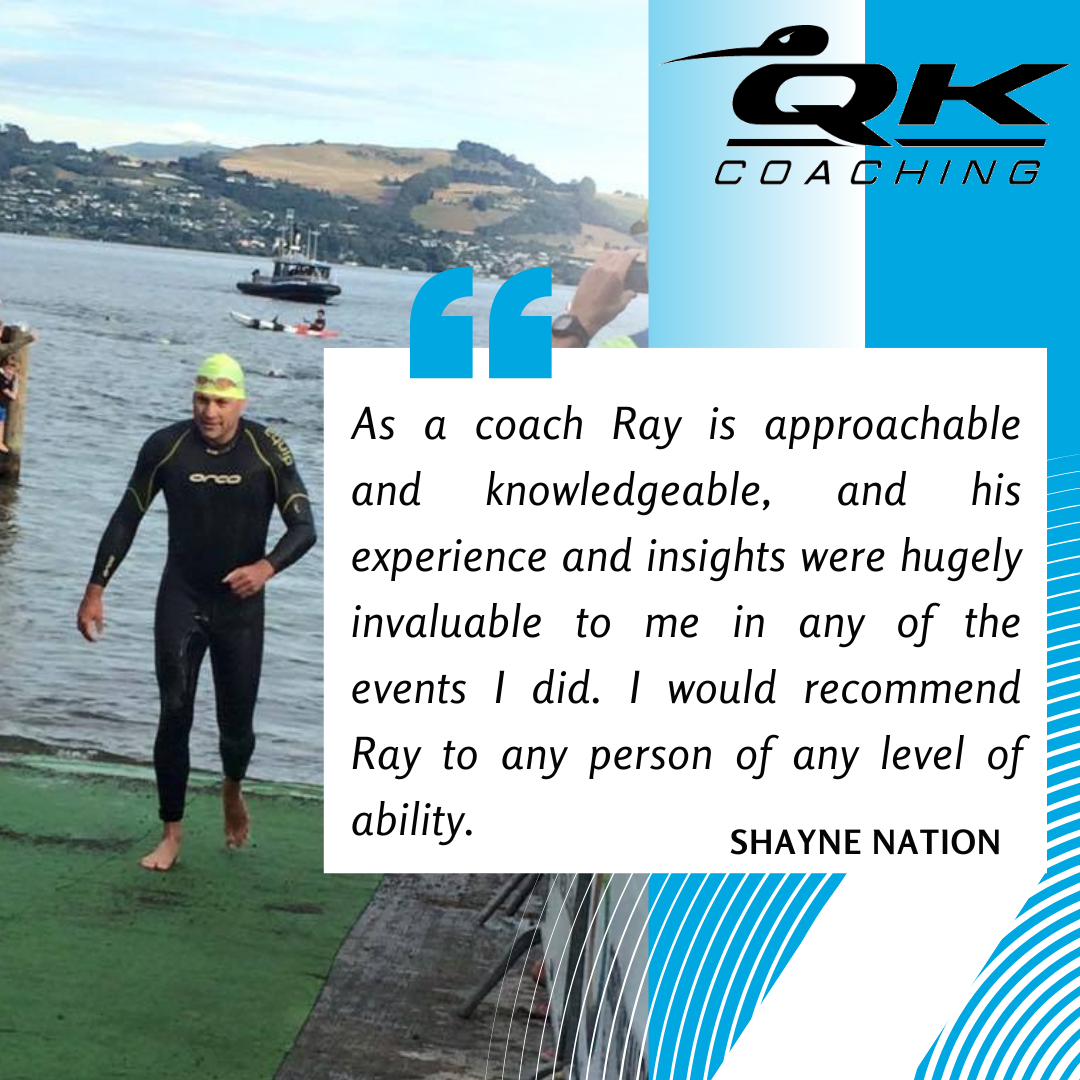
Shayne Nation describes Ray as approachable and knowledgeable, and says his experience and insights were hugely invaluable across the events he did.
Dave Carroll’s story highlights another key strength for ultra athletes: structured progression without rushing the process. He credits Ray with gradually increasing speed and duration without ramping too fast and without introducing overuse injuries, while first developing endurance and then adding more intensity later.
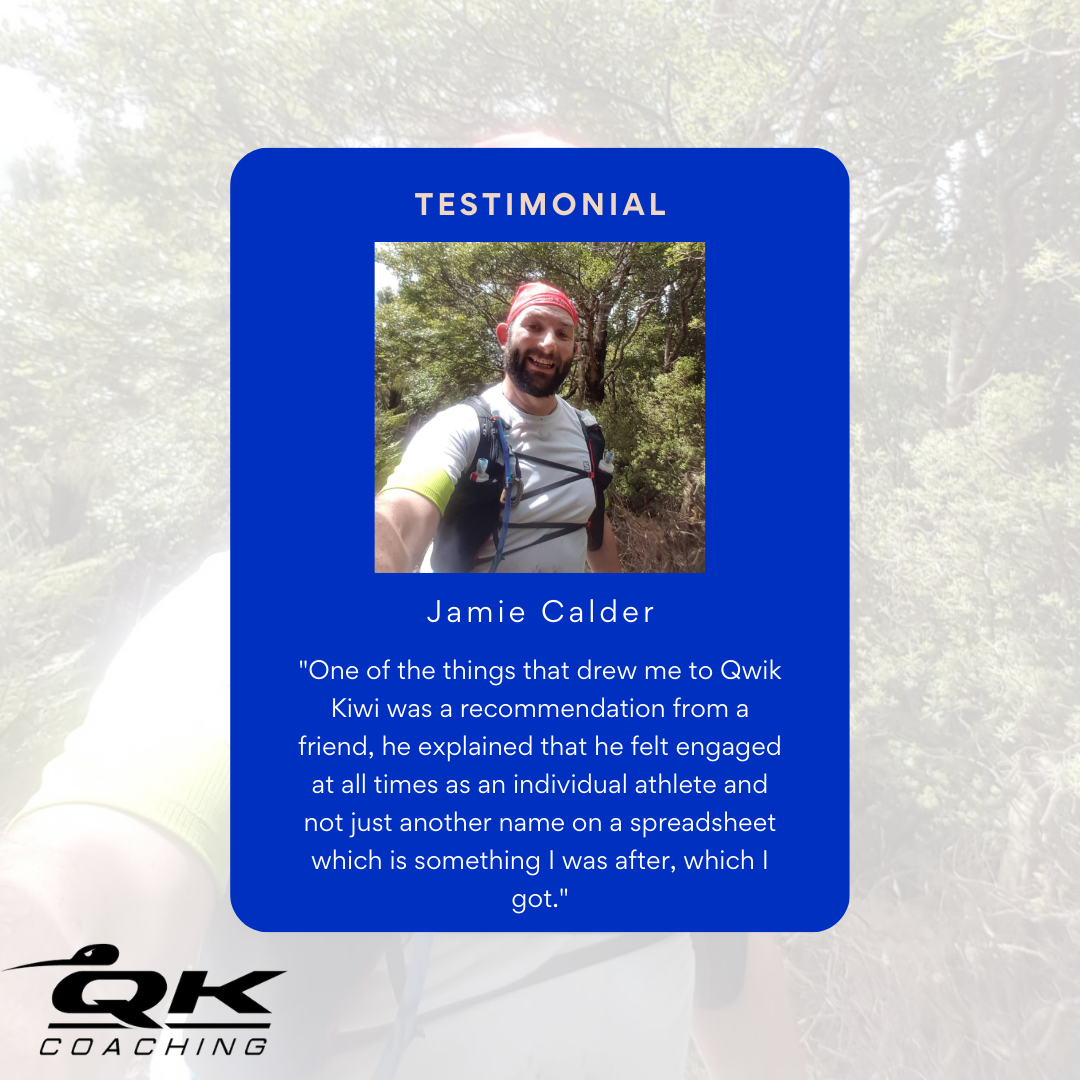
And in Jamie Calder‘s TUM Miler story, the journey is described exactly the way many ultras should be approached — as a long-term goal, built through intermediate events and adjusted when the body threw up setbacks along the way.
That is ultra coaching in real life.
Not hype. Not magical thinking. Just smart progression, honest feedback, and a plan that respects both the size of the goal and the athlete doing it.
What this can look like for you
If you are preparing for your first ultra, coaching can help you stop second-guessing the basics.
- How long should your longest run be?
- How hard should easy days actually feel?
- When should you walk?
- How do you practise fuelling?
- How do you build confidence without doing so much that you arrive tired?
If you have already finished an ultra and want to improve, the questions usually shift.
- How do you pace the first half better?
- How do you avoid the late-race energy drop?
- How do you train more consistently through work, family, travel, and life stress?
- How do you go from “just finishing” to racing with purpose?
Those are coaching questions as much as training questions.
And they are exactly the kind of questions that matter in ultras.
The difference between finishing and finishing well
There is a big difference between surviving an ultra and executing one well.
Finishing well does not necessarily mean sprinting the last kilometre or feeling amazing all day. It means you have made sensible decisions. It means you have fuelled with enough consistency to keep moving forward. It means the race became hard without becoming chaotic. It means your fitness had the chance to show because your pacing, preparation, and mindset did not sabotage it.
Strong ultra-marathon performances are built by athletes who keep effort controlled, avoid emotional pacing, and make better decisions under fatigue.
A coaching style that keeps things practical
Coaching is not just about impressive-sounding workouts.
It is about helping athletes understand what they are doing and why they are doing it.
That matters in ultra marathon preparation because the event itself is complex. You are not just training your body. You are learning how to handle long periods of effort, how to fuel under stress, how to stay steady when conditions change, and how to keep trusting the process when race day still feels a long way off.
This is where good coaching becomes calming.
Instead of trying to piece together advice from ten different places, you have one structured direction. One plan. One progression. One place to ask questions when things do not feel straightforward.
Ultra marathon coaching with Coach Ray
This coaching is for runners who want to prepare properly for the demands of an ultra marathon.
It is for runners who want structure without unnecessary complexity.
It is for runners who want to build endurance, pacing skill, fuelling confidence, and mental resilience in a way that actually fits real life.
And it is for runners who know that the event matters enough to prepare for it with purpose.
Whether your goal is to finish your first ultra, step up to a longer distance, or race more strongly and more confidently than you have before, the aim is the same:
To help you arrive ready.
To help you stay composed when the race gets hard.
And to help you perform in a way you can be proud of.
Ready to prepare for your ultra marathon properly?
If you have an ultra marathon on the calendar and want support with your training, pacing, fuelling, and race preparation, Coach Ray offers personalised coaching options, regular coaching support, and structured training designed around your development and your event.
Apply for an obligation-free consultation and let’s build a plan that gives you the best chance of running your ultra well.