Balancing swim, bike, and run training can feel overwhelming for first-time triathletes. Learn how to structure your training week, the purpose of each discipline, and why quality, consistency, and recovery are the keys to preparing confidently for your next Sprint or Olympic triathlon.
View More How Do You Balance Swim, Bike and Run Training?Category: Triathlon Training
Articles that are of interest and benefit for people training for triathlons
You Don’t Need More Watts—You Need Less Drag
A faster Ironman bike split isn’t always about producing more power. Learn why an efficient, comfortable aerodynamic position can reduce drag, conserve energy, and set you up for a stronger marathon. Discover how the right bike position can improve your overall Ironman performance without needing to get any fitter.
View More You Don’t Need More Watts—You Need Less DragCan Anyone Become A Triathlete?
Many people think triathlon is only for elite athletes, but that’s far from the truth. Discover what it really takes to become a triathlete, the fitness foundation I recommend, and why consistent, structured training can help first-time and recreational athletes confidently prepare for Sprint and Olympic triathlons.
View More Can Anyone Become A Triathlete?Why Brick Sessions Teach Your Legs How to Run
Brick sessions are one of the most valuable workouts in triathlon training. Discover why running immediately after cycling teaches your body to adapt, builds confidence for race day, improves your pacing, and helps make the bike-to-run transition feel smoother, stronger, and far more predictable when it matters most.
View More Why Brick Sessions Teach Your Legs How to RunERG Mode Isn’t Always Your Friend: When to Switch It Off
ERG mode is a powerful training tool, but using it for every indoor ride can limit your pacing skills. Learn when to use ERG mode, when to switch it off, and how balancing both approaches can make you a stronger, more confident cyclist on race day and beyond.
View More ERG Mode Isn’t Always Your Friend: When to Switch It OffYou’re Losing Free Time in Transition
Transitions are often called the fourth discipline of triathlon, yet they’re frequently overlooked in training. Learn how practising T1 and T2 can save valuable time, reduce race-day stress, and help you move smoothly from swim to bike and bike to run without getting any fitter.
View More You’re Losing Free Time in TransitionThe Easiest Way to Save Minutes in an Ironman: Master Your Transitions
Transitions are one of the easiest places to save time in an Ironman without getting any fitter. Learn how better preparation, simpler systems, and smoother execution can help you avoid costly mistakes, reduce stress, and gain valuable minutes on race day through smarter, more efficient transitions.
View More The Easiest Way to Save Minutes in an Ironman: Master Your TransitionsConsistency Beats Epic Training Weeks Every Time
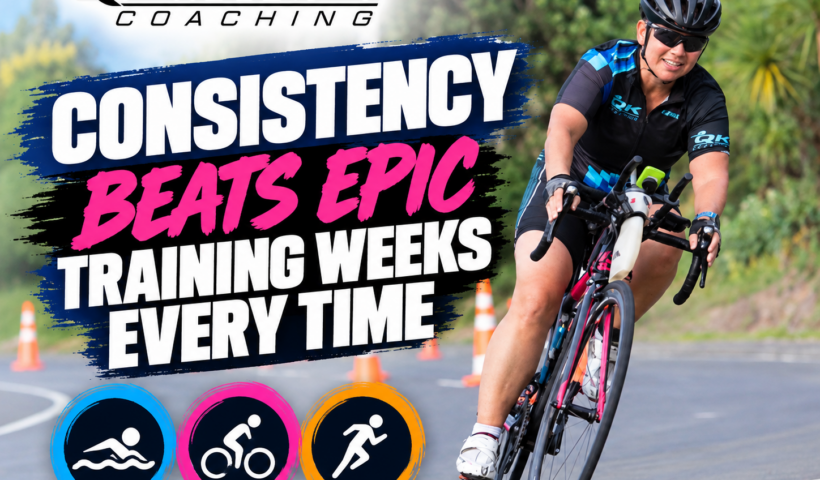
Many triathletes chase epic training weeks, believing bigger is always better. In reality, consistent training over months and years produces the greatest results. Learn why sustainable habits, smart progression, and showing up regularly are far more important than occasional heroic workouts when it comes to triathlon success.
View More Consistency Beats Epic Training Weeks Every TimeSaturday Swim Session: Broken 500s
Build endurance, threshold fitness, and pacing with this Broken 500s session. Longer swims followed by short-rest 100m repetitions challenge your ability to maintain speed and technique under fatigue. Ideal for triathletes and swimmers wanting stronger aerobic fitness, race-specific endurance, and more consistent swimming performance.
View More Saturday Swim Session: Broken 500sWhy Most 30-Minute Runners Never Get Faster
Have your 5K times stalled around the 30-minute mark? Discover the five biggest training mistakes that stop runners improving and learn how structured, purposeful training can help you break through your plateau. If you’re ready to stop guessing and start progressing, this article is for you.
View More Why Most 30-Minute Runners Never Get Faster