Training for a marathon means preparing for more than 42.2 kilometres. Your race course, hills, descents, terrain and conditions should influence your preparation. Learn how course-specific marathon training can build confidence, improve pacing, prepare your legs for race-day demands, and help you handle the challenges your marathon presents.
View More Train for Your Marathon Course, Not Just the DistanceTag: marathon runner
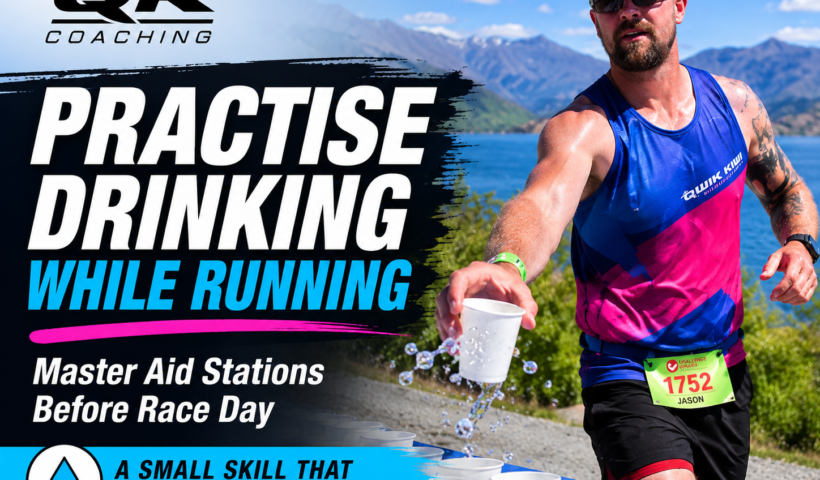
Practise Drinking While Running: Master Marathon Aid Stations Before Race Day
Drinking while running sounds simple until you reach a crowded marathon aid station. Learn why practising hydration during training can improve your race-day execution, from grabbing and drinking from cups to combining fluid with fuelling, so you can stay composed, hydrated, and focused throughout your marathon.
View More Practise Drinking While Running: Master Marathon Aid Stations Before Race DayStart Your Marathon Slower Than You Think
Starting your marathon too fast can turn a great race into a difficult final 10 kilometres. Learn why conservative early pacing saves energy, how to resist race-day adrenaline, and why starting slower than you think can give you the best opportunity to finish your marathon strongly.
View More Start Your Marathon Slower Than You ThinkTapering Isn’t Losing Fitness: Trust the Process Before Your Marathon
Worried you’re losing fitness during your marathon taper? You’re not alone. Learn why reducing your training before race day helps your body recover, absorb months of hard work, and arrive at the start line feeling fresh, confident, and ready to perform at your best.
View More Tapering Isn’t Losing Fitness: Trust the Process Before Your MarathonConsistency Beats Hero Workouts
Marathon success isn’t built on one incredible workout—it’s built through weeks and months of consistent training. Learn why avoiding hero workouts, trusting your training plan, and showing up regularly will help you stay healthy, build endurance, and give yourself the best chance of achieving your marathon goals.
View More Consistency Beats Hero WorkoutsDon’t Ignore Running Form: Good Technique Helps You Finish Strong
Good running form can make a big difference during the final kilometres of a marathon. Learn how efficient technique, better posture, and simple form cues help you conserve energy, reduce fatigue, and give yourself the best chance of finishing your marathon feeling stronger and more confident.
View More Don’t Ignore Running Form: Good Technique Helps You Finish StrongDon’t Guess Your Marathon Pace – Train It Before Race Day
Running your target marathon pace is a skill that should be practised before race day. Learn why marathon pace is about more than just your watch, how to build confidence through training, and why pacing correctly from the start can make all the difference over 42.2 kilometres.
View More Don’t Guess Your Marathon Pace – Train It Before Race DayMissed a Workout? Don’t Chase It
Missing a workout during marathon training isn’t the end of the world. Learn why trying to “catch up” missed sessions can do more harm than good, and discover why consistency over months matters far more than any single workout when preparing for your next marathon.
View More Missed a Workout? Don’t Chase ItRespect Recovery Days: They Make You a Better Marathon Runner
Recovery is where your marathon fitness is built. Learn why respecting recovery days, keeping easy runs genuinely easy, and allowing your body time to adapt can improve performance, reduce injury risk, and help you stay consistent throughout your marathon training programme for long-term success.
View More Respect Recovery Days: They Make You a Better Marathon RunnerThe Marathon Starts After 30 Kilometres
Many runners feel strong during the first half of a marathon, but the real challenge begins after 30 kilometres. Learn why marathon training focuses on endurance, consistency, and patience, and discover how preparing for the final 12 kilometres can help you achieve a stronger finish on race day.
View More The Marathon Starts After 30 Kilometres