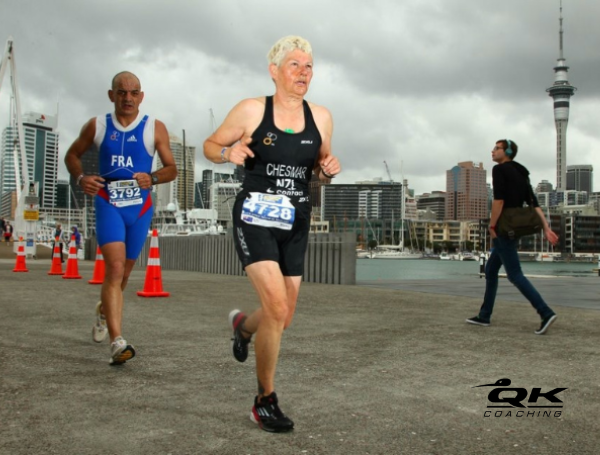
If you’ve ever finished the bike leg of a triathlon and wondered why your legs suddenly feel like they’re made of concrete, you’re not alone.
Almost every triathlete experiences that strange sensation the first time they run after cycling. Your stride feels awkward, your cadence seems off, and your legs simply don’t want to cooperate.
The good news?
There’s nothing wrong with your legs.
They’re just doing something they haven’t fully learned to do yet.
That’s exactly why brick sessions are such an important part of triathlon training.
What Is a Brick Session?
A brick session is simply two disciplines performed back-to-back, most commonly a bike ride followed immediately by a run.
The name is often said to come from the feeling of running with “bricks” attached to your feet, although others believe it refers to stacking one workout on top of another like building bricks.
Whatever the origin, the purpose is straightforward.
Brick sessions help your body adapt to the unique demands of running after cycling.
Why Running Off the Bike Feels So Different
Cycling and running use many of the same muscles, but they recruit them in different ways.
During the bike leg you’ve spent anywhere from 30 minutes to several hours pedalling in a seated or aerodynamic position.
Your cadence has been consistent.
Your movement pattern has been repetitive.
Then suddenly you’re upright and asking your body to run.
Your brain needs to switch movement patterns.
Your muscles need to change how they’re working.
Your balance changes.
Your stride changes.
Your breathing changes.
Initially, this transition feels awkward.
The more often you practise it, the more natural it becomes.
Brick Sessions Train More Than Your Legs
Many athletes think brick sessions are purely physical.
In reality, they also build valuable race-day confidence.
The first few times you run after cycling, you may wonder whether you’ll ever find your normal running rhythm.
Then something interesting happens.
After five or ten minutes, your stride begins to settle.
You relax.
You remember that this feeling is temporary.
That confidence becomes incredibly valuable on race day.
Instead of panicking during the first kilometre of the run, you’ll know exactly what to expect.
Bigger Isn’t Always Better
One of the biggest misconceptions about brick sessions is that they have to be huge.
They don’t.
In fact, some of the most effective brick sessions are surprisingly short.
For many athletes, simply adding a 10 to 20-minute easy run immediately after a bike ride is enough to teach the body how to make the transition.
The goal isn’t to create another exhausting workout.
The goal is to develop familiarity.
As your experience grows, you can introduce longer brick runs or race-specific sessions, but there’s no need to rush.
Focus on Quality, Not Speed
When you first start including brick sessions in your training, don’t worry about pace.
Instead, focus on:
- Relaxing your upper body.
- Increasing your cadence naturally.
- Taking shorter, quicker strides.
- Settling into your planned race effort rather than sprinting out of transition.
The first few minutes may always feel slightly unusual.
That’s perfectly normal.
The important thing is allowing your body to find its rhythm.
Practise Your Race Routine
Brick sessions also provide an excellent opportunity to rehearse other aspects of race day.
You can practise:
- Transitioning quickly from bike to run.
- Changing shoes efficiently.
- Taking nutrition before starting the run.
- Settling into your target race pace.
- Managing your breathing after the bike.
These small details build confidence and reduce stress on race day.
Nothing should feel unfamiliar.
How Often Should You Do Brick Sessions?
The answer depends on your experience and the race you’re preparing for.
If you’re training for your first triathlon, including a brick session every week or two is usually enough to become comfortable with the transition.
As you prepare for longer events such as an Ironman 70.3, you may incorporate more race-specific brick sessions that replicate the demands of your event.
The key is balance.
Brick sessions are an important tool, but they don’t need to dominate your training programme.
Final Thoughts
Brick sessions aren’t about making you as tired as possible.
They’re about making race day feel familiar.
Every time you run after riding, your body becomes a little more efficient.
Your confidence grows.
Your pacing improves.
Your transition becomes smoother.
Eventually, that strange feeling of running on tired legs becomes just another part of racing.
And instead of wondering whether your legs will come around, you’ll know they will.
That’s the power of practising the skills that matter most.
What’s Your Biggest Triathlon Goal?
Whether you’re training for your first triathlon, stepping up to an Ironman 70.3, or looking to improve on a previous result, I’d be happy to help.
Book a free, no-obligation 40-minute coaching call and let’s discuss your goals, your current training, and the best path forward.
I look forward to learning more about your journey and helping you achieve your triathlon goals.