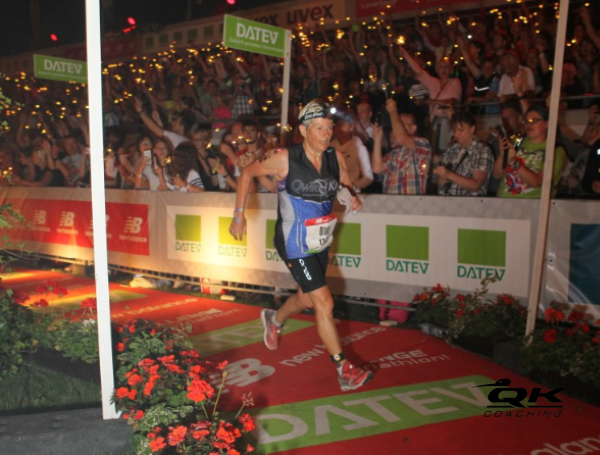
One of the biggest nutrition mistakes I see Ironman athletes make is waiting until they feel hungry before they start fueling.
The problem is that hunger is a lagging indicator.
By the time you feel hungry, your energy stores are already dropping, your glycogen levels are being depleted, and your body is beginning to shift into damage-control mode rather than performance mode.
In an Ironman, that’s a dangerous place to be.
The athletes who tend to race strongest are rarely the athletes who fuel when they feel like it. Instead, they’re the athletes who fuel according to a plan.
Fueling Is Not About How You Feel
During a long race, your body’s signals become less reliable.
Stress hormones are elevated. Heart rate is elevated. Blood flow is prioritised toward working muscles and away from the digestive system.
That means relying on appetite or hunger to determine when to eat can quickly lead to under-fueling.
Instead, think of nutrition as another pacing metric.
Just as you wouldn’t wait until you are exhausted before backing off your bike power, you shouldn’t wait until you feel hungry before consuming carbohydrates.
Race nutrition works best when it is proactive rather than reactive.
Small and Consistent Wins the Day
Many athletes make the mistake of consuming large amounts of nutrition all at once.
A couple of missed feedings often turns into a desperate attempt to catch up later in the race.
Unfortunately, the stomach doesn’t always cooperate.
A far better strategy is to drip-feed energy throughout the day.
For most Ironman athletes, this means consuming carbohydrates regularly, often every 10 to 15 minutes, rather than relying on occasional large intakes. Research and current endurance sport guidelines generally recommend between 60 and 90 grams of carbohydrate per hour for long-duration events, although individual tolerance varies significantly.
The key is consistency.
You are trying to maintain energy availability rather than constantly trying to replenish a deficit.
Practice Your Race-Day Nutrition
One of the most common race-day mistakes is expecting your stomach to suddenly tolerate large amounts of nutrition that you have never practised in training.
Just like your legs adapt to training, your gut adapts too.
Long rides, brick sessions, and race-specific workouts provide the perfect opportunity to rehearse your nutrition strategy.
Practice:
- The products you will use
- The timing of your intake
- The quantity of carbohydrate you plan to consume
- Your hydration strategy
- Your race-day breakfast
Nothing new on race day remains one of the best pieces of Ironman advice ever given.
The Bike Is Your Biggest Opportunity
The bike leg is generally where athletes have the greatest opportunity to fuel effectively.
You are moving at a lower impact level than running, digestion is often easier, and carrying nutrition is far more practical.
Athletes who under-fuel the bike often discover they cannot simply make up for it during the marathon.
The run becomes survival rather than execution.
This is why successful Ironman athletes often place enormous emphasis on their bike nutrition strategy.
Don’t Wait Until It’s Too Late
Every Ironman athlete will experience difficult moments.
The goal isn’t to eliminate those moments entirely.
The goal is to reduce the likelihood that those difficult moments are caused by preventable nutrition mistakes.
A simple reminder can go a long way:
Don’t fuel because you’re hungry.
Fuel because it’s time.
That small shift in mindset can be the difference between fading through the final 15 kilometres of the marathon and finishing your race feeling strong.
Need Help With Your Ironman Training?
Preparing for an Ironman isn’t just about swimming, cycling, and running. Success comes from bringing together training, pacing, recovery, nutrition, and race-day execution into one complete plan.
At Coach Ray NZ, I help athletes prepare for everything from their first Ironman through to chasing personal best performances.
With qualifications in both Sports Medicine and Rehabilitation, alongside more than two decades of coaching experience, I work with athletes to build practical training plans that fit around real-world work, family, and life commitments.
If you’d like to discuss your training, race goals, or Ironman journey, book an obligation-free consultation: