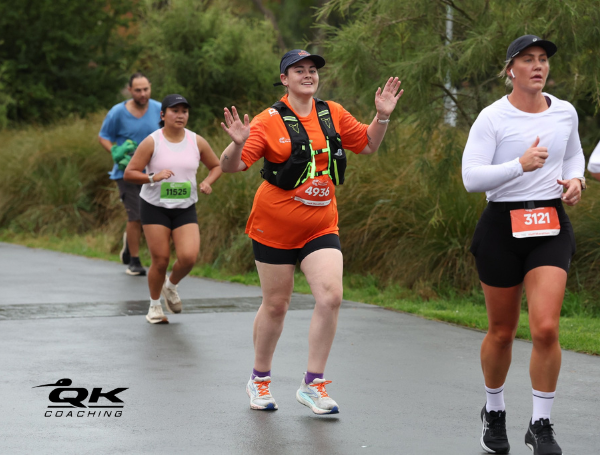
You don’t need to start from scratch to become a runner.
One of the biggest misconceptions in endurance sport is that everyone who signs up for a 5km, 10km, or parkrun event is starting from zero fitness. In reality, many new runners arrive with years of experience from other sports and activities.
Maybe you’ve played netball. Perhaps you’ve competed in track and field. You might enjoy CrossFit, team sports, gym training, hiking, cycling, or simply lead an active lifestyle.
The good news? You’re already ahead of where you think you are.
The challenge isn’t building fitness from nothing. The challenge is learning how to apply your existing fitness to running.
Fitness Transfers Better Than You Think
If you’re active, you already possess many of the qualities required for successful running:
- Cardiovascular fitness
- Muscular strength
- Coordination
- Work ethic
- Training discipline
- Competitive mindset
These qualities provide a fantastic foundation.
However, running places unique demands on the body. While your heart and lungs may already be capable of supporting hard exercise, your muscles, tendons, ligaments, and joints still need time to adapt to the repetitive impact of running.
This is often where new runners get caught out.
They feel fit enough to do more, but their bodies aren’t yet conditioned for the workload.
Why Being Fit Doesn’t Automatically Make Running Easy
A common scenario looks something like this:
Someone who plays netball twice per week decides to start running.
They head out for a 5km run and discover they can complete it fairly comfortably.
Encouraged, they run again the next day.
Then again.
Within a few weeks they’re dealing with sore calves, achilles problems, shin splints, knee pain, or plantar fascia issues.
The problem wasn’t lack of fitness.
The problem was progressing running volume faster than the body could adapt.
Running is highly repetitive. Every step creates impact forces that must be absorbed and managed. Even a short 5km run can involve thousands of individual foot strikes.
Respecting this adaptation process is one of the keys to long-term success.
Start With Consistency, Not Speed
Many athletes transitioning into running focus immediately on pace.
They want to know:
- How fast should I run?
- What time can I achieve?
- How quickly can I improve?
These questions matter eventually.
Initially, however, consistency matters far more.
The first goal should be establishing a sustainable routine that allows you to run regularly without injury.
For many people this might mean:
- 2–3 runs per week
- Gradually increasing duration
- Easy conversational effort
- Adequate recovery between sessions
Once consistency is established, performance improvements tend to follow naturally.
Don’t Ignore Your Sporting Background
One of the biggest mistakes new runners make is abandoning everything else they enjoy.
If you’re coming from CrossFit, netball, hockey, rowing, cycling, swimming, or another activity, those sessions still provide value.
Strength training improves resilience.
Cross-training maintains fitness.
Sport develops athleticism.
Rather than viewing your previous activities as obstacles, view them as assets.
Many successful recreational runners maintain a mix of running, strength work, and other sports throughout the year.
The Three Key Runs Most New Runners Need
Once you’ve established a regular routine, most runners benefit from including three different types of runs.
Easy Runs
Easy running builds your aerobic foundation.
These runs should feel comfortable enough that you could hold a conversation.
Easy runs help improve endurance while keeping fatigue manageable.
Steady or Tempo Runs
These runs are slightly more challenging but still controlled.
Tempo running teaches your body to sustain faster speeds for longer periods.
For runners targeting a faster 5km, 10km, or parkrun performance, these sessions become increasingly important.
Long Runs
Even athletes focusing on shorter events benefit from a weekly longer run.
Long runs build aerobic capacity, improve durability, and increase confidence.
They don’t need to be excessively long.
For many beginner runners, 45–75 minutes is sufficient.
Why parkrun Is the Perfect Starting Point
For many new runners, parkrun provides the ideal environment.
A weekly 5km event offers:
- A supportive community
- Consistent course measurement
- Regular progress tracking
- Motivation to train
- A fun and welcoming atmosphere
Importantly, parkrun doesn’t require you to race every week.
Some weeks can be run hard.
Other weeks can be used as controlled training sessions.
This flexibility makes parkrun an excellent tool for developing both fitness and experience.
Progress Is Rarely Linear
One of the most important lessons for new runners is understanding that improvement doesn’t happen in a straight line.
Some weeks you’ll feel fantastic.
Other weeks you’ll feel flat.
Weather changes.
Life gets busy.
Work becomes stressful.
Sleep suffers.
All of these factors influence performance.
The runners who improve the most are not necessarily the most talented.
They’re often the ones who continue showing up consistently through both good weeks and bad.
The Goal Isn’t Just Finishing a 5km
Many people begin with a simple goal:
“I just want to complete a 5km.”
That’s a fantastic starting point.
But something interesting often happens.
Once they complete that first event, they start wondering:
- Can I run the whole way?
- Can I break 35 minutes?
- Can I run under 30 minutes?
- What about a 10km event?
- Could I train for a half marathon?
Running has a way of opening doors.
The key is building your foundation correctly so those future opportunities remain available.
Final Thoughts
If you’re already active through sports such as netball, CrossFit, track and field, team sports, gym training, or other activities, you’re not starting from the beginning.
You already possess many of the qualities that make successful runners.
The goal isn’t to become someone different.
The goal is simply to channel your existing fitness into a new challenge.
Start gradually.
Focus on consistency.
Respect recovery.
Build patiently.
And before long, you’ll discover that being “someone who runs” is no longer something you’re trying to become.
It’s simply who you are.
Ready To Start Running Smarter?
Whether you’re preparing for your first parkrun, targeting a 10km event, or looking to build a structured training routine, the right plan can make all the difference.
Book an appointment belowc to explore training plans and coaching options designed to help runners of all abilities train consistently, stay injury-free, and achieve their goals.