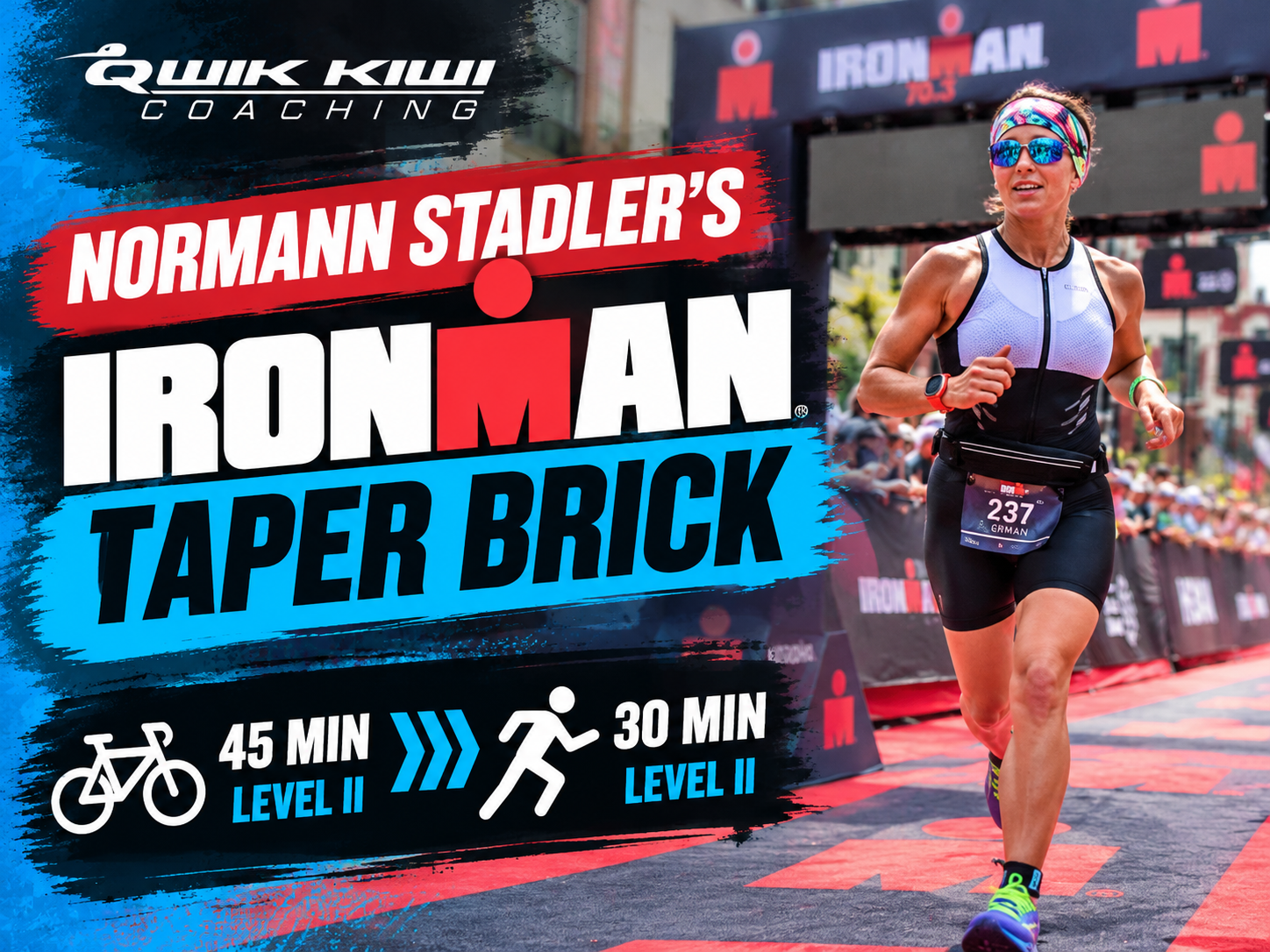
75 Minutes | Level II Bike + Level II Run | Tapering, Recovery & Race Preparation
As race day approaches, one of the biggest challenges for triathletes is resisting the temptation to keep training hard. You’ve spent weeks or months building your fitness, and suddenly your training volume drops. It can feel as though you’re not doing enough.
But tapering isn’t about squeezing in one last fitness-building workout. It’s about allowing your body to absorb the training you’ve already completed so you can arrive at the start line rested, confident and ready to perform.
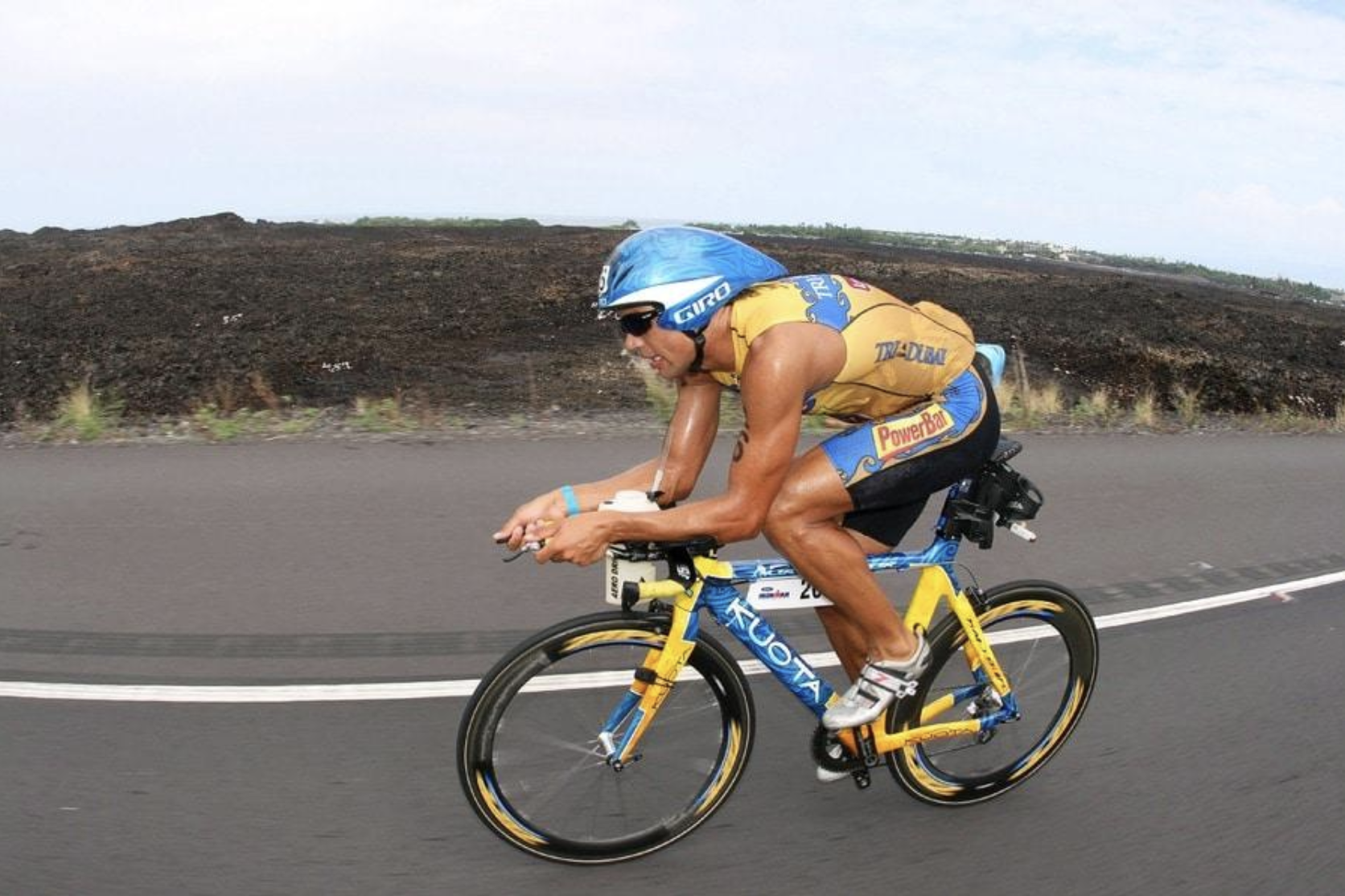
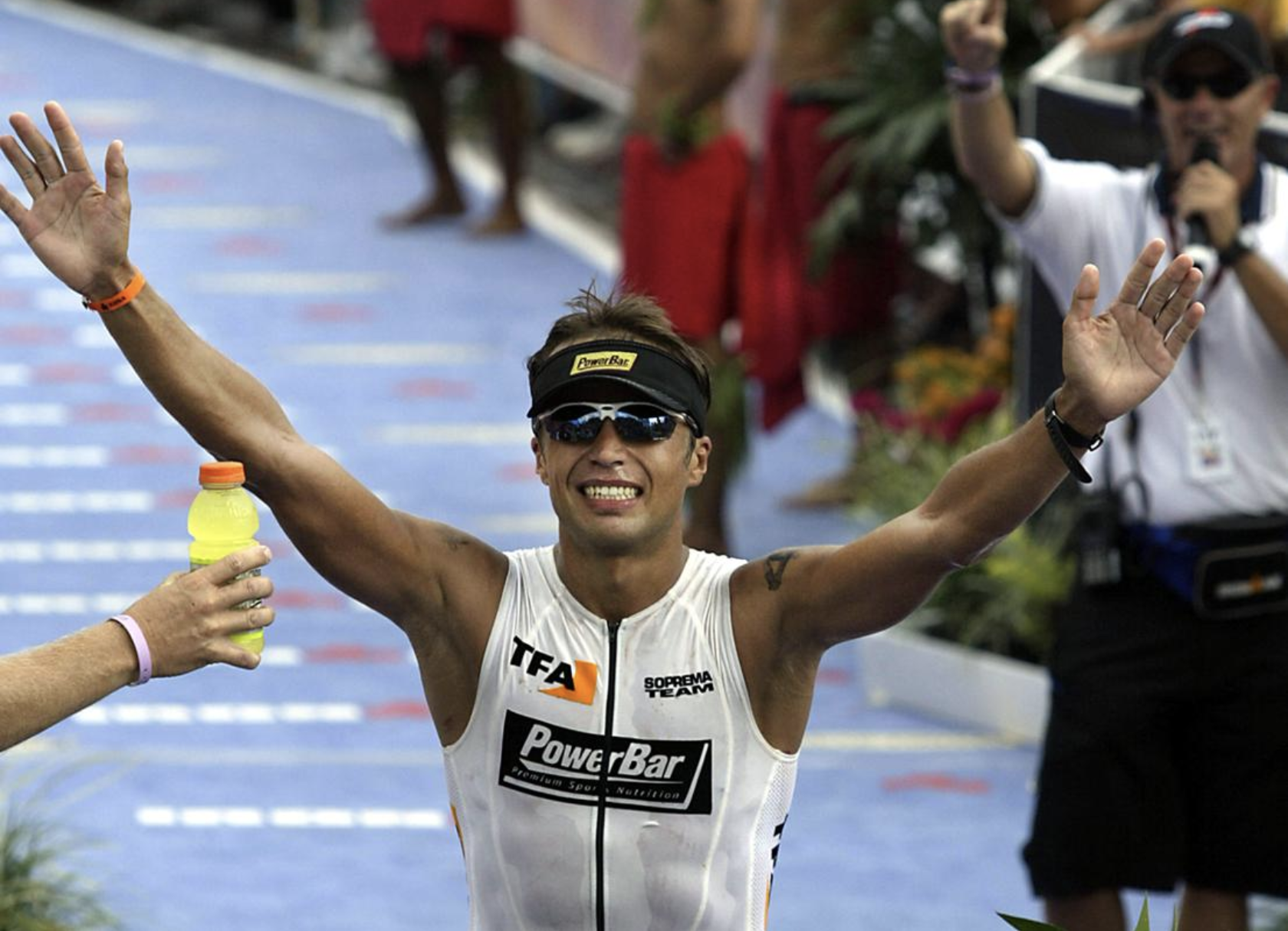
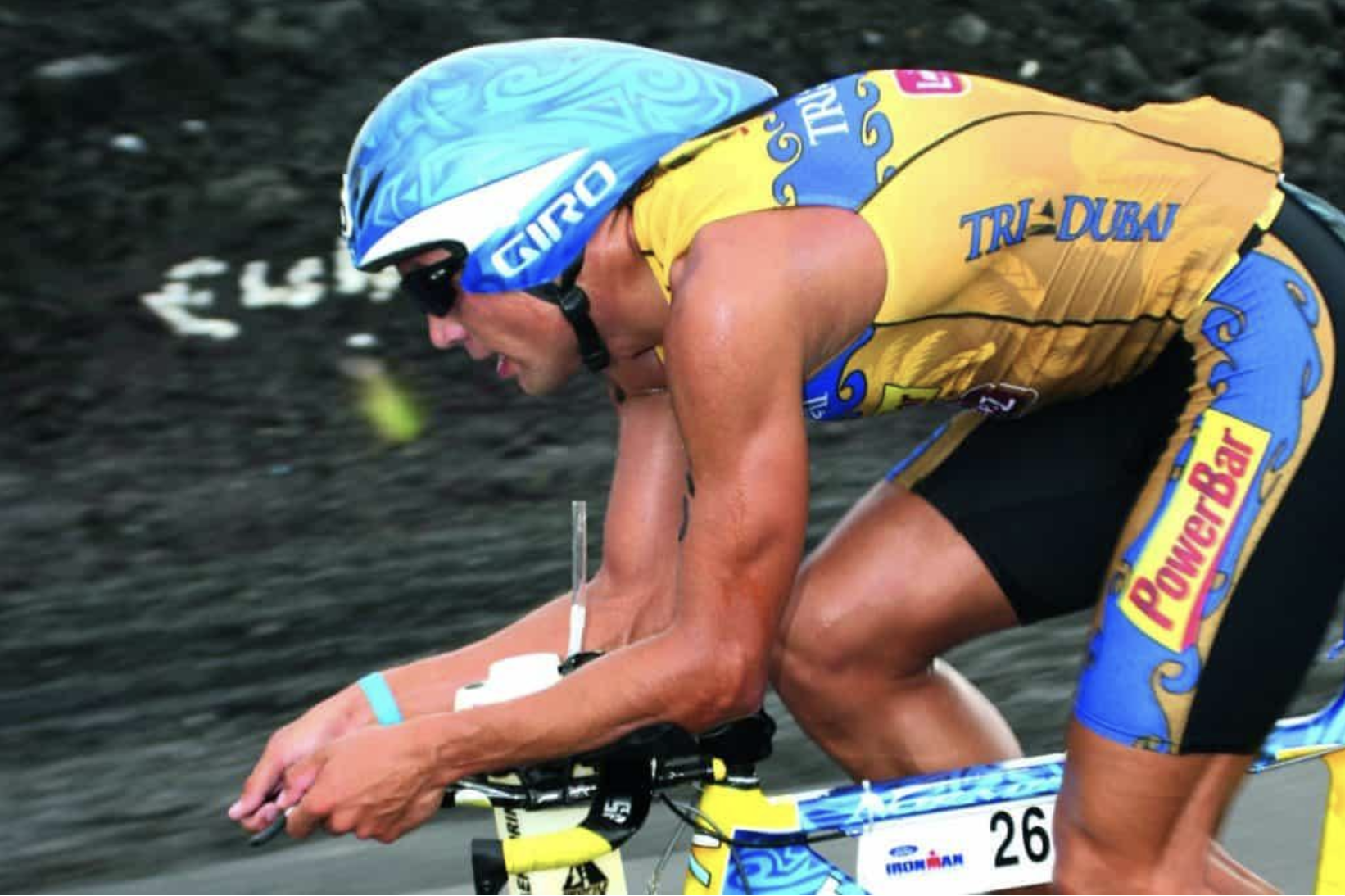
This week’s Monday’s Brick takes inspiration from two-time Ironman World Champion Normann Stadler, who won in Kona in 2004 and 2006.
His approach provides a useful reminder that even athletes with an extraordinary racing pedigree understand the importance of keeping training controlled as race day approaches.
The session is straightforward: 45 minutes of Level II cycling followed by 30 minutes of Level II running.
There’s no need for hard intervals, race-pace efforts or a fast finish. The objective is to maintain familiarity with the bike-to-run transition without creating unnecessary fatigue.
And while this workout is particularly useful during a taper, it can also be a valuable aerobic brick for less experienced triathletes developing confidence running off the bike.
Why You’re Doing This Session
The primary purpose of Normann Stadler’s Ironman Taper Brick is to maintain your movement patterns, aerobic rhythm and confidence while keeping the overall training stress manageable.
During a taper, your training volume typically decreases, giving your body an opportunity to recover from the accumulated fatigue of previous training.
That doesn’t mean you need to stop training altogether.
A controlled brick can help you maintain the familiar feeling of moving from cycling to running without turning the session into another demanding workout.
There are four important benefits.
1. Maintain bike-to-run familiarity
Running immediately after cycling feels different from starting a run on fresh legs.
Even experienced triathletes can notice that slightly awkward sensation during the first few minutes off the bike.
A gentle brick provides an opportunity to maintain familiarity with that transition without needing a demanding session.
2. Support recovery during your taper
The reduced duration and controlled Level II intensity limit the training stress compared with longer or harder bricks.
The objective is to maintain training rhythm while allowing accumulated fatigue to dissipate.
3. Reinforce pacing discipline
One of the biggest mistakes during tapering is turning an easy session into an opportunity to prove fitness.
This workout rewards athletes who can resist that temptation.
4. Build race-day confidence
A relaxed, controlled brick can provide reassurance that your cycling and running still feel familiar as race day approaches.
You should finish feeling capable of doing considerably more, rather than relieved that the workout is over.
Session Inspiration: Normann Stadler
This workout was inspired by a Facebook Reel shared by Normann Stadler.
Stadler won the Ironman World Championship in Kona in 2004 and 2006, becoming particularly well known for his exceptional cycling strength.
Twenty years after his second victory, his return to Kona as an age-group athlete provides an interesting perspective on endurance sport, longevity and the changing priorities of an athlete over time.
The session featured here is a simple combination of steady cycling and running, illustrating that not every workout needs to be complicated or demanding to serve a useful purpose.
For an athlete approaching an Ironman, the real value lies in understanding when to reduce training stress rather than continuing to chase fitness.
What You Should Focus On
🚴 On the Bike: Keep the Effort Comfortable
Your 45-minute ride should remain entirely at Level II.
This is comfortable, conversational aerobic cycling. You should be able to speak in full sentences without struggling for breath.
Focus on:
- Maintaining a relaxed, consistent effort.
- Pedalling smoothly without forcing the gears.
- Avoiding unnecessary surges on hills or into headwinds.
- Finishing the ride feeling fresh rather than fatigued.
Don’t be tempted to include a few harder efforts just because your legs feel good.
Feeling good is exactly what you want during a taper.
🔄 During Transition: Stay Relaxed and Organised
You don’t need to rush through transition as though you’re racing.
Instead, use this opportunity to reinforce a calm, familiar routine.
Have your running shoes ready, change over efficiently and begin your run without unnecessary urgency.
The goal is to maintain confidence in the process, not to set a personal best for transition time.
🏃 On the Run: Find Your Rhythm
The 30-minute run also remains at Level II.
Your legs may initially feel slightly different after cycling, but the effort should remain comfortable throughout.
Focus on:
- Starting conservatively rather than chasing pace.
- Allowing your running rhythm to develop naturally.
- Maintaining relaxed shoulders and efficient running technique.
- Keeping your breathing controlled and conversational.
- Finishing with plenty of energy remaining.
If you feel particularly fresh, resist the temptation to turn the final ten minutes into a tempo run.
Save that enthusiasm for race day.
Common Mistakes to Avoid
1. Turning the taper brick into a fitness test
This is not the session to find out how fast you can run off the bike.
Your fitness has already been developed through the training you’ve completed. This workout is about maintaining readiness.
2. Riding too hard because the session feels easy
Level II should remain Level II, even when you’re feeling strong.
An unnecessarily demanding bike leg can compromise both the run and your recovery.
3. Chasing your normal running pace
Running pace can vary depending on terrain, weather, accumulated fatigue and how your legs respond after cycling.
Use the prescribed intensity rather than forcing a particular pace.
4. Adding extra training because the workout feels too short
One of the purposes of tapering is to reduce overall training volume.
Adding another hour of cycling or running simply because you feel capable defeats the objective.
5. Using unfamiliar equipment or nutrition
If you’re approaching an important event, this is not the time for major changes to shoes, bike position or fuelling practices.
Stick with what you’ve already established in training.
Tips for Completing This Session Successfully
Keep the effort deliberately controlled. Both disciplines should remain at Level II, with no additional intensity.
Choose familiar terrain. A relatively flat, predictable route makes it easier to maintain consistent effort without unnecessary surges.
Practise your transition routine. Use the same equipment and familiar habits you intend to use on race day.
Keep your fuelling familiar. Follow your established pre-training and hydration practices without introducing anything new.
Respect your individual taper. A 75-minute brick may be appropriate at one point in your taper but too much immediately before racing, depending on your experience, recent training load and event distance. Fit it into your existing plan rather than automatically adding it.
Finish feeling refreshed. You should complete this workout with the sense that you could comfortably continue, not that you’ve emptied the tank.
Today’s Workout: Normann Stadler’s Ironman Taper Brick
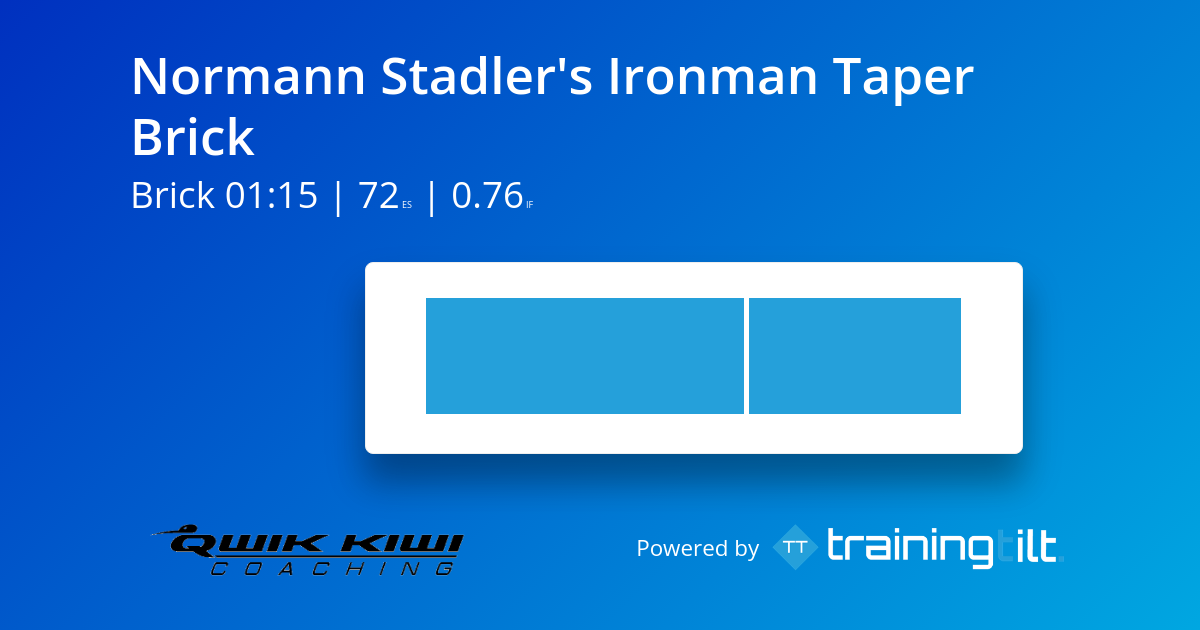
Total Workout Duration
1hr 15min
Bike — 45 Minutes
45min Level II — Comfortable aerobic cycling
Steady, conversational effort throughout
Run — 30 Minutes
30min Level II — Comfortable aerobic running
Relaxed running after transition
Recovery
10min Stretching
For a full explanation of the intensity system used in this workout, read my guides to Cycling Intensity Levels and Running Intensity Levels.
How This Session Should Feel
This is a session where finishing fresh is a sign of success.
During the bike, your breathing should remain relaxed, your legs should feel comfortable and the effort should never become demanding.
When you transition onto the run, you might notice some initial heaviness or awkwardness, but you should soon settle into a comfortable rhythm.
By the end of the run, you should feel as though you have completed a worthwhile training session without significantly adding to your fatigue.
If you’re tapering for an Ironman, that’s exactly the outcome you’re looking for.
If you’re a beginner using this workout earlier in your training, the same principle applies: focus on consistency, comfort and confidence rather than speed.
Who Is This Workout For?
Ironman and Ironman 70.3 athletes during an appropriate stage of their taper: A controlled opportunity to maintain bike-to-run familiarity while reducing overall training volume.
Experienced triathletes needing a lighter training day: A manageable aerobic brick that maintains routine without introducing demanding intervals.
Beginner triathletes: A straightforward introduction to combining cycling and running, provided the 75-minute duration is appropriate for their current fitness.
Athletes returning to structured brick training: A useful way to reintroduce the bike-to-run combination without immediately progressing to higher-intensity sessions.
Frequently Asked Questions
How close to race day should I complete this workout?
That depends on your race distance, training history and individual taper strategy. A 75-minute brick may suit an earlier stage of an Ironman taper, but it may be unnecessarily long in the final days before racing. Follow your overall training plan rather than assuming the session belongs on a particular day.
Should I include any race-pace efforts?
Not in this version. The session is prescribed entirely at Level II. If your taper plan includes short race-specific efforts, those should be deliberately programmed rather than added spontaneously.
Can I make the session longer if I’m feeling good?
If you’re using this as a taper workout, the reduced training volume is part of its purpose. Extending the session because you’re feeling fresh can undermine the recovery you’re trying to achieve.
Is this workout suitable for a first-time triathlete?
Yes, provided the athlete is comfortable with the overall duration. The consistent Level II intensity makes it approachable, although newer athletes may need to build towards completing 75 minutes continuously.
Why do brick workouts matter if both efforts are easy?
Brick training is not only about intensity. It also develops familiarity with the transition from cycling to running, pacing awareness and the ability to settle into a running rhythm after time on the bike.
You can learn more in my article: Why Are Brick Sessions Important?
Coach Ray’s Final Thoughts
There’s an important difference between training to build fitness and training to arrive ready to race.
During your main training blocks, longer sessions and challenging workouts provide the stimulus your body needs to adapt.
During a taper, the priorities change.
You’re no longer trying to squeeze every possible improvement out of the remaining days. You’re allowing the fitness you’ve developed to emerge as fatigue decreases.
Normann Stadler’s Ironman Taper Brick is a useful reminder that a simple, controlled session can have a clear purpose.
The most important thing about this workout isn’t how fast you ride or run. It’s how little unnecessary fatigue you create while maintaining your confidence and rhythm.
When race day arrives, you want to be standing on the start line knowing you’ve done the work—and feeling ready to use it.
Happy training!
Coach Ray
🚴🏃 Make Every Brick Session Count — Get Your FREE Brick Session Blueprint
Normann Stadler’s Ironman Taper Brick is a great reminder that a successful brick workout isn’t always about pushing harder. It’s about choosing the right session, at the right intensity, at the right stage of your training.
But how do you know which brick sessions to use as you build towards your next triathlon?
That’s where The Brick Session Blueprint comes in.
This FREE guide will help you better understand the purpose of brick training, how to approach your bike-to-run sessions and how to make each workout contribute to your race preparation.
Whether you’re preparing for your first triathlon, an Ironman 70.3 or a full Ironman, having a clear approach to brick training can help you train with greater confidence.
Train smarter. Make every brick count.
Want More Structured Triathlon Training?
If you’re preparing for an Ironman, Ironman 70.3 or another triathlon and would like help balancing your training load, recovery and taper, I can help you develop a plan that fits your experience, goals and event.
Book a free 40-minute coaching consultation with Coach Ray to discuss your training and race preparation.