Updated October 2026 – Originally published: 2021
I want my athletes to give me the finger.
Let me explain before you start wondering what sort of coaching relationship we have.
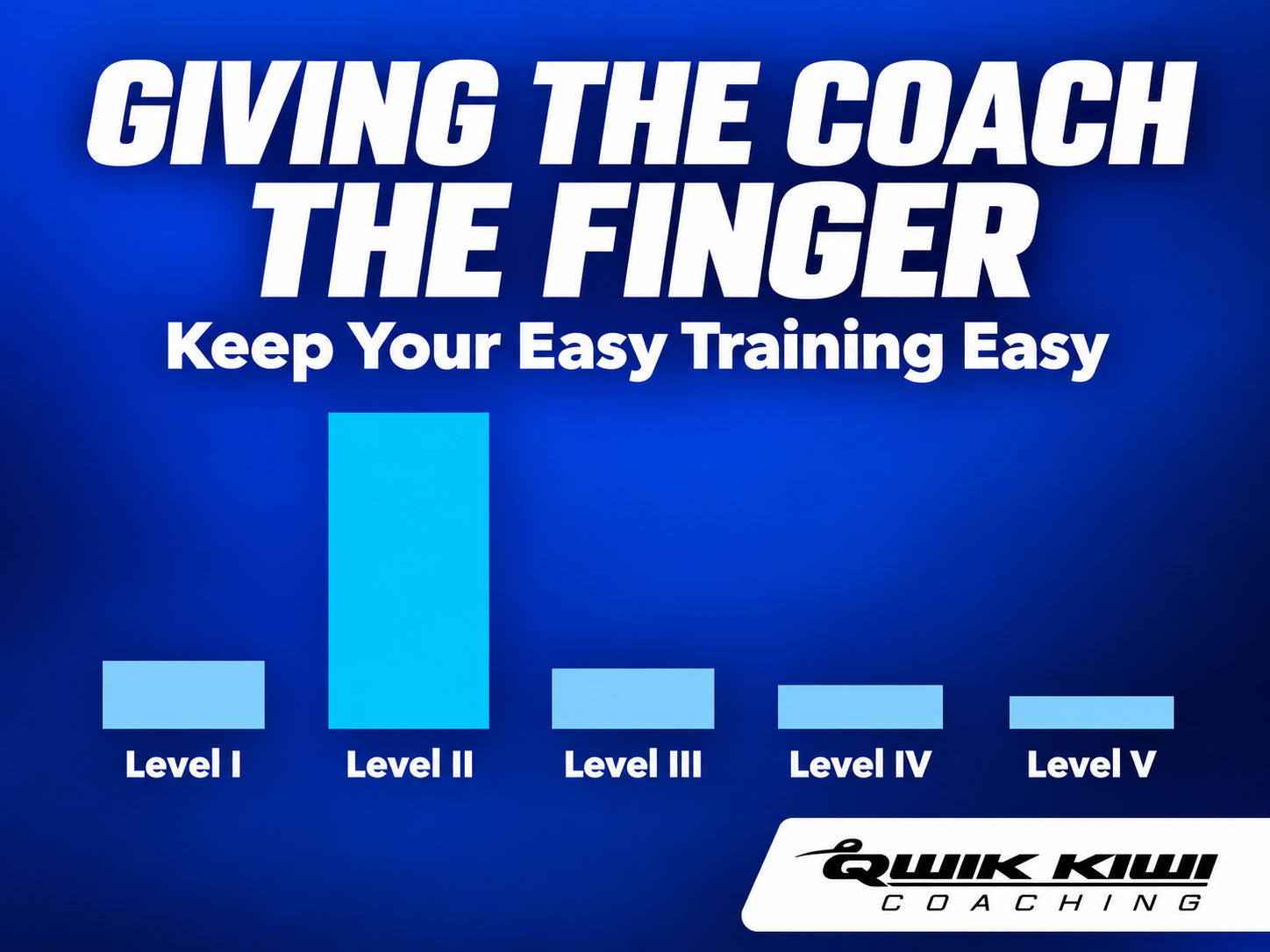
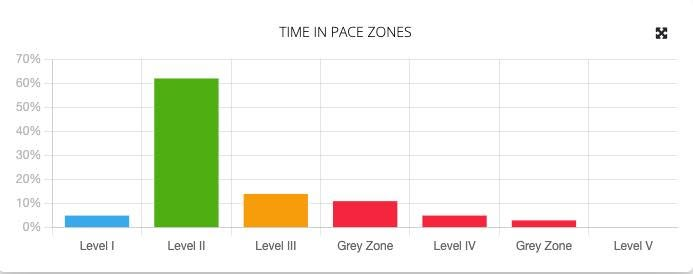
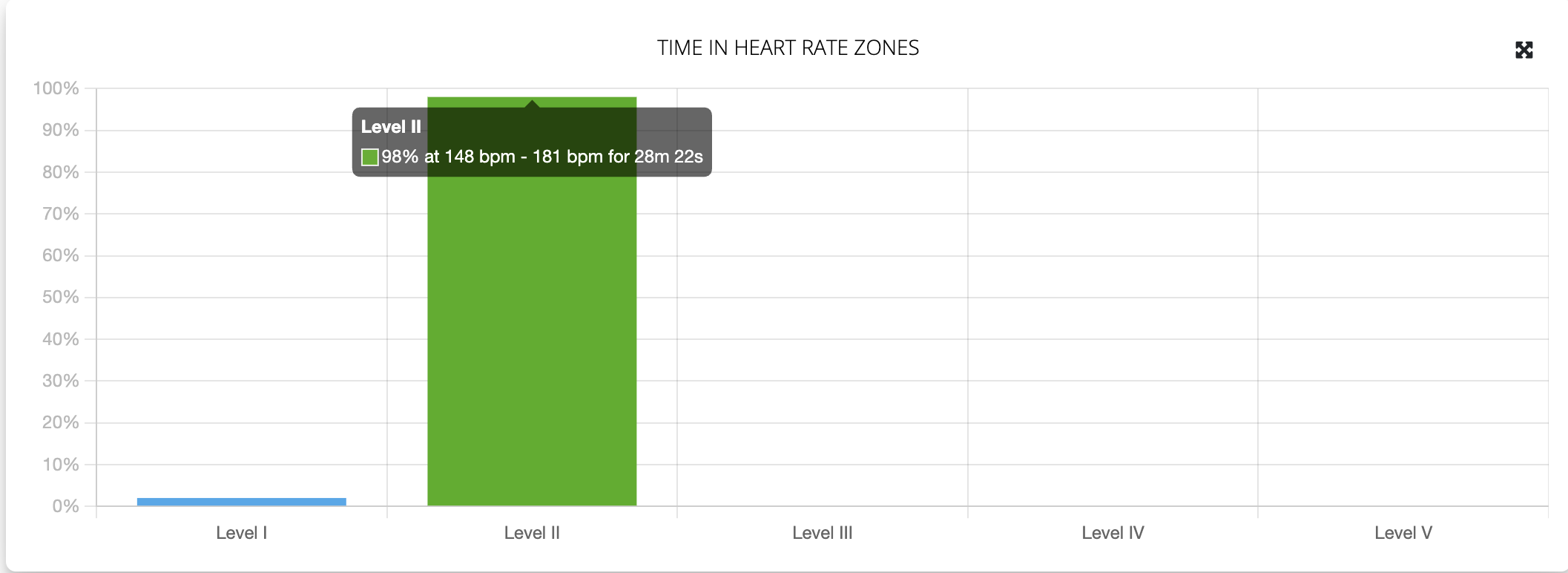
When I review a steady endurance run or ride, I look at the graph showing how much time the athlete spent at each intensity. When most of the main part of the session sits within the prescribed Level II range, that column stands above the others. With a little imagination, it looks like an extended middle finger.
That’s the finger I’m pleased to receive.
It tells me the athlete has controlled their effort and spent much of the session doing what we intended. Developing that control takes practice, particularly when you’re new to training with pace, heart rate or power.
Why Easy Training Deserves Your Attention
An endurance session has a purpose. If I prescribe Level II, I’m asking you to develop your endurance at a controlled, conversational effort.
It can be tempting to push a little harder because you feel good, someone passes you, or your watch shows a slower pace than you expected. One little increase becomes another, and the easy session gradually turns into something more demanding.
Harder training has its place. The question is whether today is the day for it.
Keeping your endurance sessions controlled helps you manage the demands of your programme and arrive at the harder sessions ready to complete them well. Learning to hold back is a skill worth developing.
Where Does 80/20 Training Fit?
You may have heard the advice to complete roughly 80% of your training at lower intensities, with the remaining 20% at higher intensities. Matt Fitzgerald’s books, 80/20 Running and 80/20 Triathlon, helped bring that concept to a wider audience.
The useful lesson is that most endurance training is relatively easy, with harder work deliberately included. The exact balance varies with the athlete, sport, training phase and how the training is counted. Counting sessions by their main purpose gives a different picture from adding up every minute in each intensity range.
That overall balance is also a different question from how much of one run or ride falls within Level II.
My “finger” analogy is about controlling the effort during a steady session. It isn’t a requirement to produce a particular graph across every workout in your programme.
What Level II Should Feel Like
In my coaching system, Level II is your endurance or conversational intensity.
You should generally be able to speak in full sentences without repeatedly interrupting yourself to catch your breath. You’re exercising, but the effort should feel controlled.
Your prescribed pace, heart rate or power range provides a useful guide. Pay attention to how the effort feels alongside those numbers.
If you’re regularly straining to stay within a supposedly easy range, let your coach know. The targets, conditions or your recovery may need a closer look.
Pace, Power and Heart Rate Tell Different Stories
Pace: Allow for the Terrain
Pace can be useful on a reasonably flat, uninterrupted route. Hills change the relationship between pace and effort.
Trying to maintain your flat-road pace up a climb can turn a controlled run into a hard effort. Allow your pace to slow so you can maintain the intended intensity. On a steep trail, walking may be appropriate.
Use the route and conditions to interpret your pace rather than expecting the same number everywhere.
Power: Control the Output
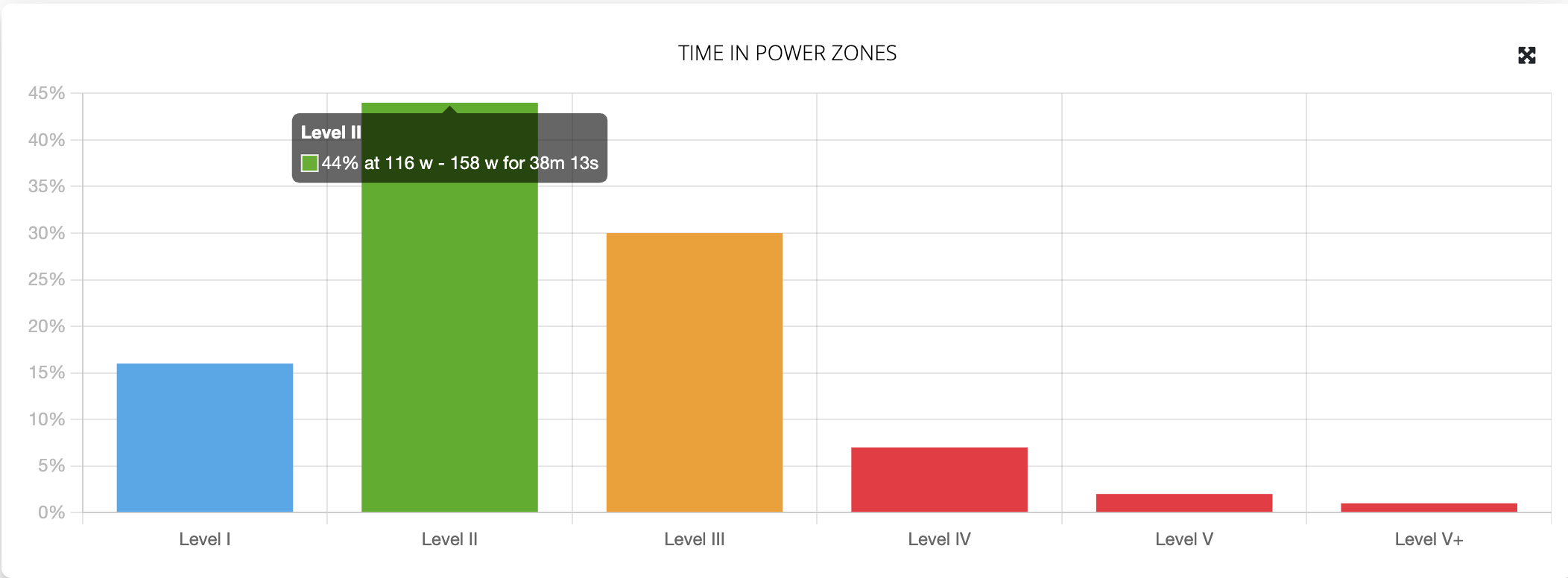
Cycling power measures the rate of doing work and provides useful feedback about your output. Watch for sustained increases on climbs or repeated surges that make an endurance ride harder than intended.
Running power is an estimate produced by your device or sensor. Use it consistently and interpret it alongside terrain, effort and your other data.
You don’t need to correct every brief fluctuation. Aim for controlled output over meaningful periods of the session.
Heart Rate: Give the Response Time
Heart rate is your body’s response to the work you’re doing. It takes time to respond when effort changes and can gradually rise during a prolonged session.
Consider the conditions and how you feel when interpreting it. A brief unusual reading deserves a different response from a sustained rise accompanied by harder breathing.
Avoid constantly speeding up and slowing down to chase a number. If the effort is becoming too demanding, ease back. If the data looks implausible, check the sensor before drawing conclusions.
Your Training Targets Need to Fit You
I use appropriate field tests, such as cycling FTP tests and running or swimming time trials, to help establish individual training targets. I favour sustained efforts because they provide useful information about an athlete’s ability to hold an output.
These tests give us practical estimates. They don’t make every training boundary exact, and your targets need reviewing as your fitness changes.
Also, don’t assume that a device’s default “Zone 2” is automatically the same as Level II. Different systems use different boundaries and labels.
Two Athletes, Two Different Patterns
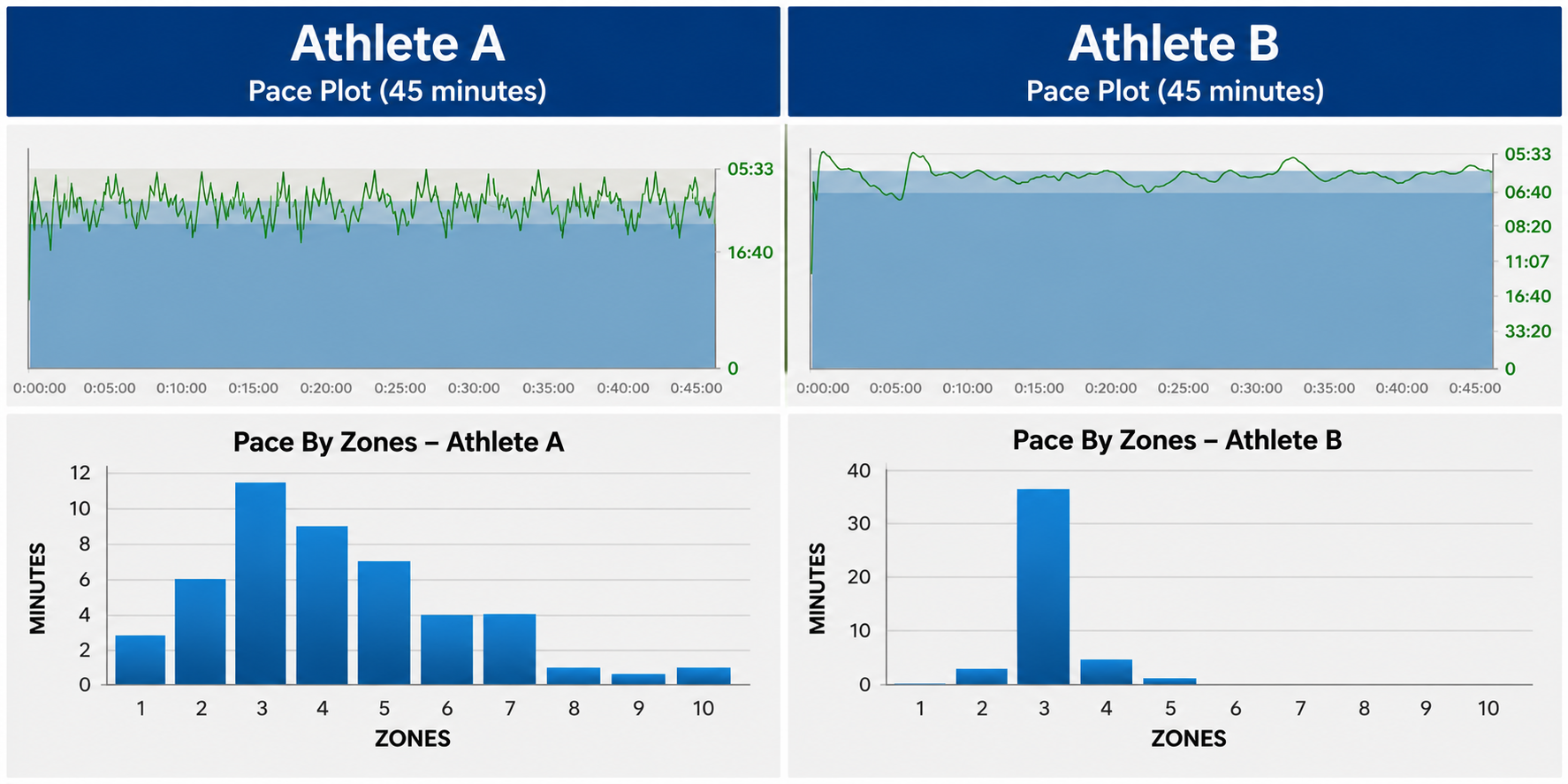
In the original article, I compared two athletes who ran in the same general area on the same day, with parts of their routes overlapping.
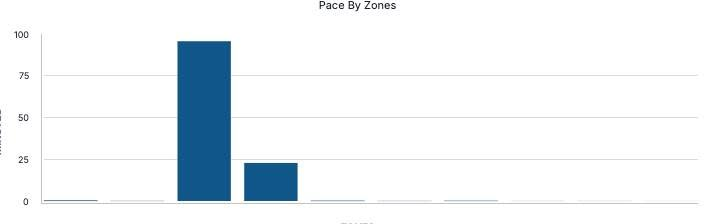
One athlete spent 25% of the run within the prescribed pace range. The other spent 82% within it. The first trace showed considerable variation and frequent running faster than prescribed; the second showed much steadier pacing.
The second athlete gave me the finger.
The important difference was the pattern of effort. One run showed much stronger control of the prescribed pace. Those percentages describe these particular sessions; they aren’t universal pass marks.
When reviewing a graph like this, ask where the out-of-range time occurred, how long it lasted and what might explain it. Warm-up, cool-down, hills, stops and unreliable readings all need context.
You Don’t Need a Perfect Graph
A steady endurance session should generally show a substantial amount of its main section within the intended intensity. There will still be variation, including indoors.
Level I recovery work, intervals, hill repetitions and progression sessions will produce different distributions. Judge them against their own instructions.
When I review your training, I want to know whether you completed the purpose of the session, how it felt and how it fits with the rest of your week. A graph helps that conversation, and your comments help explain it.
Try This on Your Next Level II Session
- Start patiently. Allow yourself to settle into the session.
- Keep the effort conversational. Check your breathing alongside your data.
- Adjust for terrain and conditions. Let pace change when needed to control intensity.
- Avoid unnecessary surges. Someone passing you doesn’t change your workout instructions.
- Review the main section afterwards. Look for prolonged overshooting rather than worrying about every brief blip.
- Leave your coach a comment. Explain anything the numbers don’t show, including unusual fatigue, hills or sensor problems.
With practice, you’ll develop a better feel for your effort. Your watch or bike computer can then support that judgement.
When your next endurance session gives me the finger, I’ll be pleased to see it.
Need Help Finding the Right Training Intensity?
If you’re unsure whether your easy sessions are easy enough, or whether your training targets fit your current fitness, let’s talk about your training and goals.
Book a 40-minute consultation with Coach Ray.