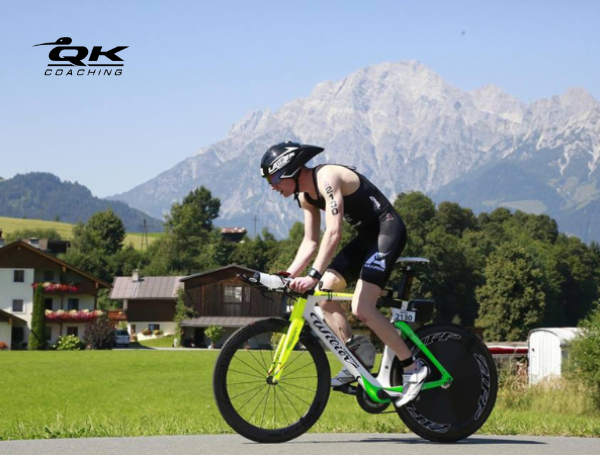
Many Ironman 70.3 athletes waste valuable energy by chasing other competitors on the bike. Learn why sticking to your own pacing strategy leads to a stronger overall race, a better run, and smarter race execution. Success comes from riding your plan—not someone else’s.
View More Stop Racing Other Athletes. Race Your Plan.Tag: Ironman 70.3 Training
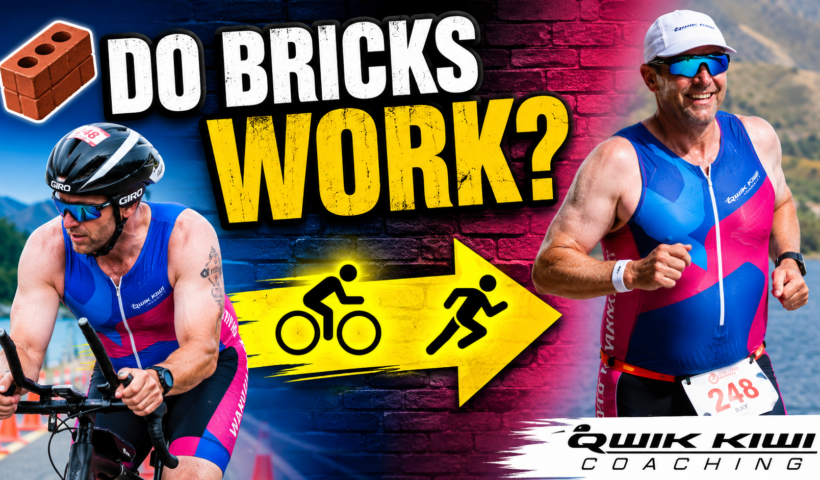
Why Brick Sessions Teach Your Legs How to Run
Brick sessions are one of the most valuable workouts in triathlon training. Discover why running immediately after cycling teaches your body to adapt, builds confidence for race day, improves your pacing, and helps make the bike-to-run transition feel smoother, stronger, and far more predictable when it matters most.
View More Why Brick Sessions Teach Your Legs How to RunYou’re Losing Free Time in Transition
Transitions are often called the fourth discipline of triathlon, yet they’re frequently overlooked in training. Learn how practising T1 and T2 can save valuable time, reduce race-day stress, and help you move smoothly from swim to bike and bike to run without getting any fitter.
View More You’re Losing Free Time in TransitionConsistency Beats Epic Training Weeks Every Time
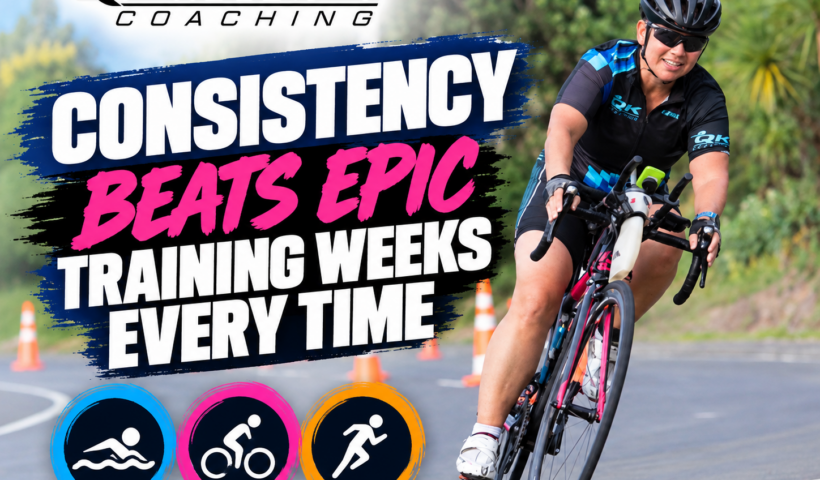
Many triathletes chase epic training weeks, believing bigger is always better. In reality, consistent training over months and years produces the greatest results. Learn why sustainable habits, smart progression, and showing up regularly are far more important than occasional heroic workouts when it comes to triathlon success.
View More Consistency Beats Epic Training Weeks Every TimeHow Fit Do You Need To Be To Start Ironman 70.3 Training?
Wondering if you’re fit enough to start training for an Ironman 70.3? Discover the minimum fitness requirements, common misconceptions, and why consistency matters more than being race-ready today. Learn how first-time and recreational triathletes can successfully build towards their Ironman 70.3 or T100 finish line.
View More How Fit Do You Need To Be To Start Ironman 70.3 Training?Can Anyone Train For An Ironman 70.3?
Many athletes assume Ironman 70.3 is only for elite competitors, but the reality is very different. Learn what it really takes to prepare for a 70.3, the fitness benchmarks I recommend, and why consistency and structured training matter far more than natural talent or experience.
View More Can Anyone Train For An Ironman 70.3?The First 10 Minutes Can Ruin Your Triathlon
Many triathletes sabotage their race before it has properly begun by going too hard in the first 10 minutes. Learn why adrenaline can trick you into poor pacing decisions, how to stay controlled early, and why a patient start often leads to a stronger swim, bike, run, and finish.
View More The First 10 Minutes Can Ruin Your TriathlonIf Your First 2km Feels Good, You’re Running Too Fast
Many Ironman 70.3 athletes sabotage their run by starting too fast out of T2. Learn why the first 2km should feel easy, how to pace the run leg more effectively, and why patience early can lead to a stronger finish and a faster overall race.
View More If Your First 2km Feels Good, You’re Running Too FastThe Coach Ray Method: How to Periodize Training for Long-Term Endurance Gains
Discover the principles behind The Coach Ray Method and learn how structured periodization helps endurance athletes improve performance, avoid injury, and peak on race day. Explore the four phases of training used for running, triathlon, cycling, and endurance events to achieve sustainable long-term fitness gains.
View More The Coach Ray Method: How to Periodize Training for Long-Term Endurance GainsDon’t Ruin Your Ironman 70.3 Swim in the First 2 Minutes
Many Ironman 70.3 athletes ruin their swim before they’ve even settled into rhythm. Learn why starting too hard creates problems later in the race, and how controlled pacing in the opening minutes can help you swim smoother, conserve energy, and set yourself up for a stronger bike and run.
View More Don’t Ruin Your Ironman 70.3 Swim in the First 2 Minutes