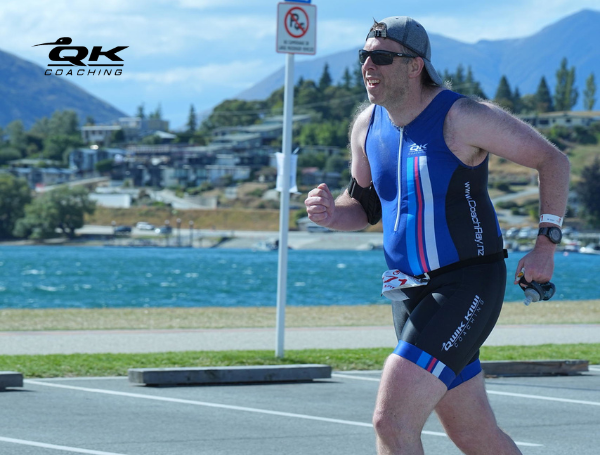
One of the biggest surprises for new triathletes isn’t the swim or the bike—it’s discovering just how different your legs feel when you start running after cycling.
That’s exactly why brick sessions exist.
This week’s session is one of my favourites because it’s simple, effective and suitable for almost every triathlete, whether you’re training for your first Sprint Triathlon or preparing for a longer event. I’ve been prescribing this workout to athletes for years because it teaches you one of the most valuable skills in triathlon: learning to settle into a controlled run after riding efficiently.
This session was also featured in a video by EventsATW, highlighting just how widely respected this style of training has become.
Why You’re Doing This Session
The purpose of today’s brick isn’t to see how fast you can run.
Instead, you’re teaching your body to transition smoothly from cycling to running while maintaining good technique and pacing.
Regular brick sessions help you:
- Become comfortable running on tired legs.
- Improve your transition from bike to run.
- Learn the correct pacing for race day.
- Develop confidence before your next triathlon.
- Improve your overall endurance without excessive intensity.
Because both the ride and run are completed at Level II, the focus is on aerobic development rather than speed.
What You Should Focus On
During the bike, ride smoothly and consistently. Resist the temptation to push harder simply because you feel good.
As you transition into the run, don’t worry if your legs feel awkward for the first few minutes—that feeling is completely normal. Concentrate on relaxing your shoulders, shortening your stride slightly and increasing your cadence until your running rhythm settles naturally.
By the halfway point of the run you should feel comfortable and controlled rather than fatigued.
Common Mistakes to Avoid
The biggest mistake athletes make is riding the bike too hard and then trying to “survive” the run.
Other common errors include:
- Skipping the transition and resting too long before running.
- Starting the run far too quickly.
- Ignoring nutrition and hydration during the ride.
- Finishing without stretching or beginning recovery.
Remember, today’s goal is quality aerobic training—not setting Strava records.
Tips for Completing the Session Successfully
Have your running shoes ready before you finish the ride so your transition is quick and efficient.
If you’re completing this session indoors, leave your shoes beside the trainer and begin running within a couple of minutes of finishing the ride.
Keep your effort conversational throughout both disciplines. If you can comfortably hold a conversation, you’re probably riding and running at the correct intensity.
Finally, spend the final 10 minutes stretching your calves, quadriceps, hamstrings, glutes and hip flexors to promote recovery before your next training session.
Today’s Workout
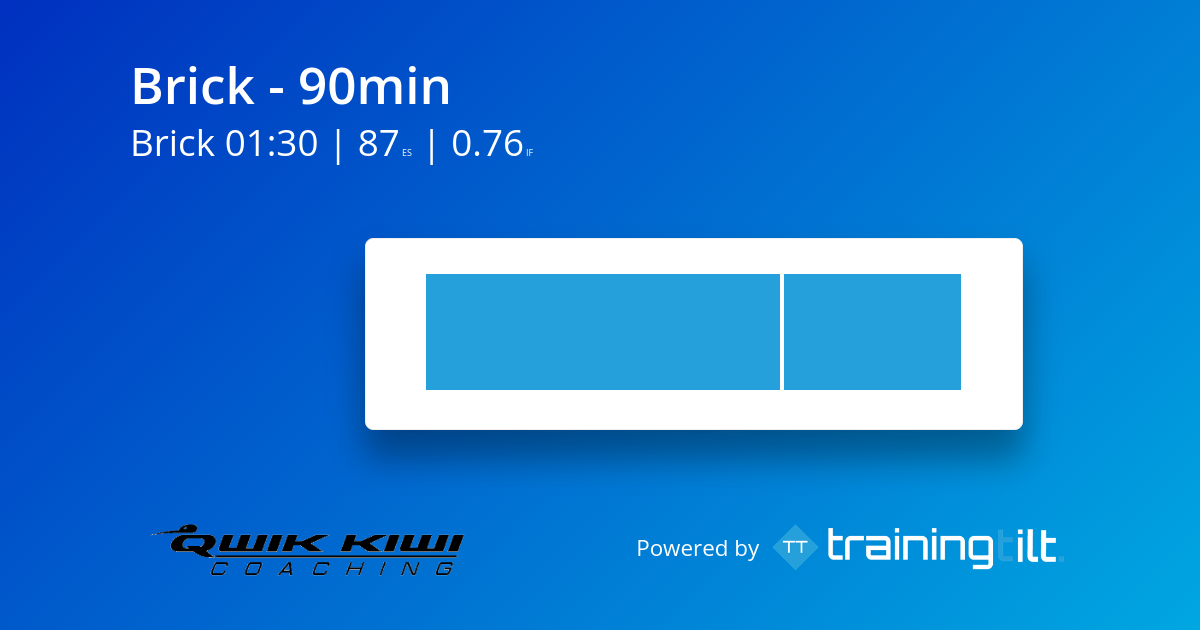
90-Minute Brick
Bike
- 60 minutes – Level II
Transition
- Move straight into the run
Run
- 30 minutes – Level II
Recovery
- 10 minutes stretching
How This Session Should Feel
This is a controlled endurance session from start to finish.
You should finish knowing you could comfortably continue for another 15–20 minutes if required. That’s a good sign you’ve paced it correctly.
If the run feels progressively easier after the first five minutes, you’re adapting exactly as intended.
Want to Improve Your Brick Sessions?
If you’d like to get more from your triathlon training, download my Brick Session Blueprint free.
Inside you’ll discover:
- Smarter brick session structures.
- Better pacing strategies.
- How to run stronger off the bike.
- Sessions suitable for Sprint through to Ironman-distance athletes.
Download your free copy and start making every brick session count.