
What does it take to complete one of New Zealand’s most challenging trail marathons? For Qwik Kiwi Coaching athlete Pip, Mission Mount Somers was a test of physical endurance, mental resilience, nutrition, pacing and the ability to adapt when things didn’t go to plan.
Some races are about chasing personal bests. Others are about discovering just how much you’re capable of when the terrain gets tough, your body starts complaining, and the finish line still seems a very long way away.
For Pip, Mission Mount Somers was very much the latter.
After months of preparation, she successfully completed the event, navigating steep climbs, technical descents, a painful ankle, demanding cut-off times and the inevitable fatigue that comes with spending a long day in the mountains.
Following the event, I sat down with Pip to reflect on her preparation, race-day execution, nutrition, mental strategies and the lessons she would take into her next challenge.
Her experience offers valuable insights for anyone preparing for a trail marathon, mountain-running event or other endurance challenge.
Mission Mount Somers: Beautiful, Brutal and Unforgettable
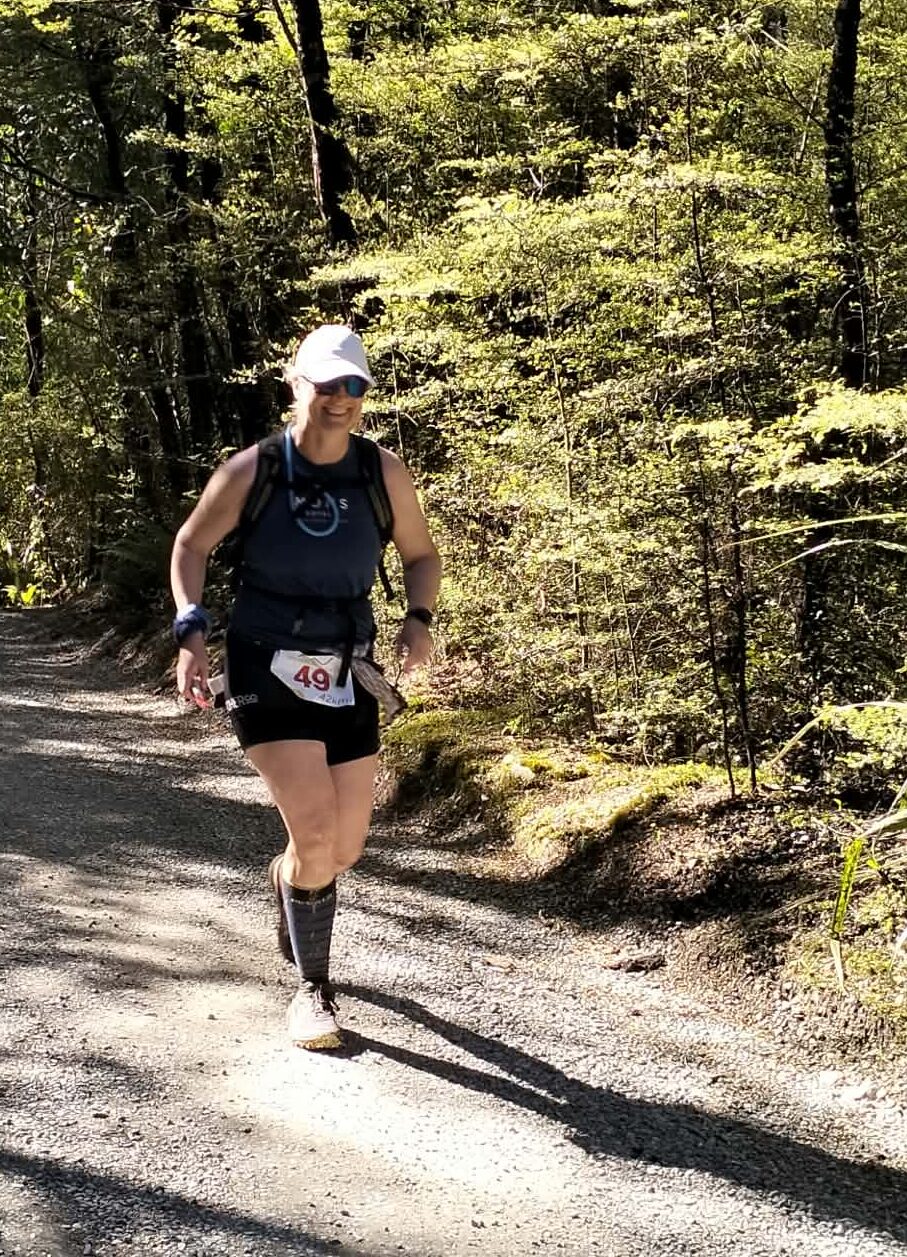
Mission Mount Somers has a reputation for being a demanding trail marathon, and Pip’s experience certainly reinforced that.
The course features steep climbs, exposed mountain terrain, rocky tracks, technical descents and sections where progress is determined more by the terrain than by an athlete’s running fitness.
Fortunately, race-day conditions were close to ideal.
“We had a beautiful, clear day, just a light breeze over the top, and a wee sprinkling of snow, just to make it look beautiful.”
The spectacular scenery helped make the experience memorable, but the favourable weather certainly didn’t make the course easy.
As Pip explained, Mission Mount Somers delivers on both its scenery and its difficulty.
Training Preparation: Building the Fitness to Go the Distance
One of the most encouraging aspects of Pip’s race debrief was how comfortable she felt with her underlying fitness.
Living close to Christchurch’s Port Hills, Pip had incorporated plenty of hill running into her preparation.
This helped develop the cardiovascular endurance, climbing fitness and confidence required for a long day on the trails.
Importantly, she also developed a strong understanding of how to manage her effort.
She knew that if she settled into a sustainable intensity, resisted the temptation to push too hard and remained patient, she could continue moving for a considerable length of time.
This confidence proved invaluable.
The Importance of Training Specificity
Although Pip was happy with her overall preparation, she identified one area she would change next time: spending more time on genuinely technical trails.
The Port Hills provide excellent opportunities for hill training, but many of the popular tracks are well-maintained and relatively comfortable underfoot.
Mission Mount Somers presented a different challenge.
The course included exposed roots, boggy sections, uneven rocks and boulder-strewn tracks that required constant attention to foot placement.
These surfaces become particularly demanding as fatigue accumulates.
Pip felt that additional training on less-travelled tracks, such as those around Mount Oxford, would have better prepared her for the technical demands of the event.
She also identified technical downhill running as an area for improvement.
Coach Ray’s Takeaway: Fitness and Terrain Skills Are Different
Having the cardiovascular fitness to complete a trail marathon is only part of the equation.
Athletes also need the muscular endurance, balance, coordination and technical skills required to negotiate the terrain.
Running uphill on a smooth gravel track doesn’t fully replicate climbing over wet rocks, negotiating tree roots or descending a steep, uneven mountain trail.
For runners preparing for technical events, I recommend incorporating terrain-specific training wherever practical.
That might mean practising on rocky tracks, completing longer descents, developing confidence with uneven foot placement or learning to maintain control when the legs are already fatigued.
The closer your training resembles the demands of your event, the better prepared you’ll be.
Race-Week Preparation: Keep Things Familiar
In the days leading into Mission Mount Somers, Pip kept her preparation relatively straightforward.
Rather than introducing dramatic changes, she concentrated on maintaining her normal routine, eating well and ensuring she was adequately hydrated.
Recognising that she sometimes doesn’t drink enough water, she made a conscious effort to pay more attention to hydration during the two days before the event.
Her meals remained familiar, with well-rounded lunches and dinners and a pasta-based meal before race day.
She also made sleep and stress management priorities.
Managing Expectations Reduces Pressure
Pip approached the event with one primary goal: to finish.
She wasn’t chasing a particular time or podium position, which allowed her to focus on the experience rather than putting herself under unnecessary pressure.
Instead of repeatedly running through every possible race scenario in her head, she tried to stay relaxed and deal with the challenges as they arose.
This was an important part of her preparation.
For endurance athletes, especially those tackling unfamiliar terrain or longer distances, realistic expectations can help prevent anxiety from becoming an additional source of fatigue.
Race-Day Nutrition: Gels, Vegemite Sandwiches and a Successful Strategy
Nutrition was one of the areas Pip was particularly pleased with.
We had discussed her fuelling strategy before the event, including how she would manage carbohydrate intake and the possibility of gastrointestinal discomfort.
Pip was understandably a little nervous about experiencing stomach problems during such a long race.
Fortunately, her preparation paid off.
Practise Your Nutrition Before Race Day
Pip used energy gels she had already tested in training and previous events.
She began taking them approximately 30 minutes into the race and used a combination of caffeinated and non-caffeinated gels.
Because she was familiar with these products, she had confidence in how her stomach would respond.
But gels weren’t her only source of fuel.
She also carried white-bread Vegemite sandwiches, which provided a welcome savoury alternative after consuming several sweet gels.
In Pip’s words, after five gels, something salty was a delight!
She also carried additional food, including crisps, as a reserve in case the day took longer than expected.
Ultimately, she didn’t need to use all her supplies, but she was pleased to have them available.
Hydration and Managing Her Stomach
Pip reported drinking approximately 2.5 litres of water throughout the event.
She deliberately drank water alongside her gels and paid attention to how her stomach was feeling.
Rather than taking separate electrolyte drinks from the aid stations, she relied on the sodium and other ingredients already present in her chosen gels, together with her other food.
She also monitored how she felt after each gel, using water and adjusting her intake when necessary.
Her approach worked well for her on the day.
Coach Ray’s Takeaway: A Nutrition Plan Must Be Practised and Individualised
Pip’s experience highlights several important principles.
First, race day isn’t the time to experiment with unfamiliar nutrition products.
Second, having a variety of food options can make a significant difference during longer events, particularly when sweet foods become less appealing.
Third, hydration and carbohydrate intake need to be considered together.
Energy gels provide a concentrated source of carbohydrate, and consuming an appropriate amount of water can help with tolerance.
However, the ideal amount of carbohydrate, fluid and sodium varies between athletes and depends on factors such as exercise duration, intensity, environmental conditions and individual sweat losses.
Pip’s reported intake worked for her, but it shouldn’t be treated as a universal prescription.
For athletes preparing for long events, I recommend developing and testing a fuelling strategy during training, rather than relying on guesswork on race day.
The Unexpected Challenges: An Injured Ankle and a Race Against the Clock
No matter how well an athlete prepares, endurance events rarely unfold exactly as planned.
Pip encountered three significant challenges during Mission Mount Somers.
1. Running With the Tail-End Support Crew
During the South Face section, Pip found herself accompanied by the tail-end support crew.
Although she described them as lovely people, their presence initially changed the rhythm of her race.
Pip normally enjoys running independently, sometimes listening to an audiobook and settling into her own pace.
Having people immediately behind her created an unexpected sense of pressure to move faster.
At one point, she recognised that her heart rate and effort were increasing beyond what she wanted.
Rather than allowing the situation to dictate her pace, she stopped briefly, let her heart rate settle and then continued.
Eventually, she became comfortable with the company and even joked that their conversations were like having a podcast playing in the background.
It was a small but important example of maintaining control over her own race.
2. Turning Her Ankle
Early in the event, Pip rolled her ankle.
Unfortunately, she aggravated it again, this time more painfully.
She needed to stop, regain her composure and assess whether she could continue.
Although she was eventually able to keep moving, the ankle remained uncomfortable, particularly on the descents.
She became more conscious of maintaining good posture, engaging her trunk muscles and controlling her movement rather than allowing fatigue to compromise her technique.
The injury added another challenge to an already demanding course.
An important coaching point: Continuing after an ankle injury isn’t always appropriate. Significant pain, swelling, instability or an inability to bear weight normally warrants stopping and seeking medical assessment. Pip’s experience describes what happened during her event, rather than a recommendation to run through an injury.
3. Making the Cut-Off
Perhaps the biggest mental challenge came as Pip approached the cut-off at the Woolshed Creek car park.
She knew she was running close to the permitted time.
While descending the rocky terrain from Rhyolite Ridge, she began mentally preparing herself for the possibility that her race might end there.
This was particularly difficult because she had worked so hard to reach that point.
But rather than becoming overwhelmed by the prospect of disappointment, she tried to accept that she could still be proud of her effort even if she wasn’t permitted to continue.
Then she reached the checkpoint.
She had made the cut-off — just!
Suddenly, her mindset needed to change.
Instead of preparing to accept an early finish, she now needed to refocus on completing the remaining course.
This ability to adjust her thinking was one of the most impressive aspects of her performance.
Pacing a Mountain Marathon: Focus on Effort, Not Speed
One of the biggest lessons from Pip’s race was the importance of effort-based pacing.
Before the event, she had studied topographical maps and looked for videos showing the terrain.
She knew there would be significant climbing and expected to hike the steeper uphill sections while running as much as possible on the flatter and downhill terrain.
What she hadn’t fully anticipated was just how steep some of the climbs would be, or how technical the descents would become.
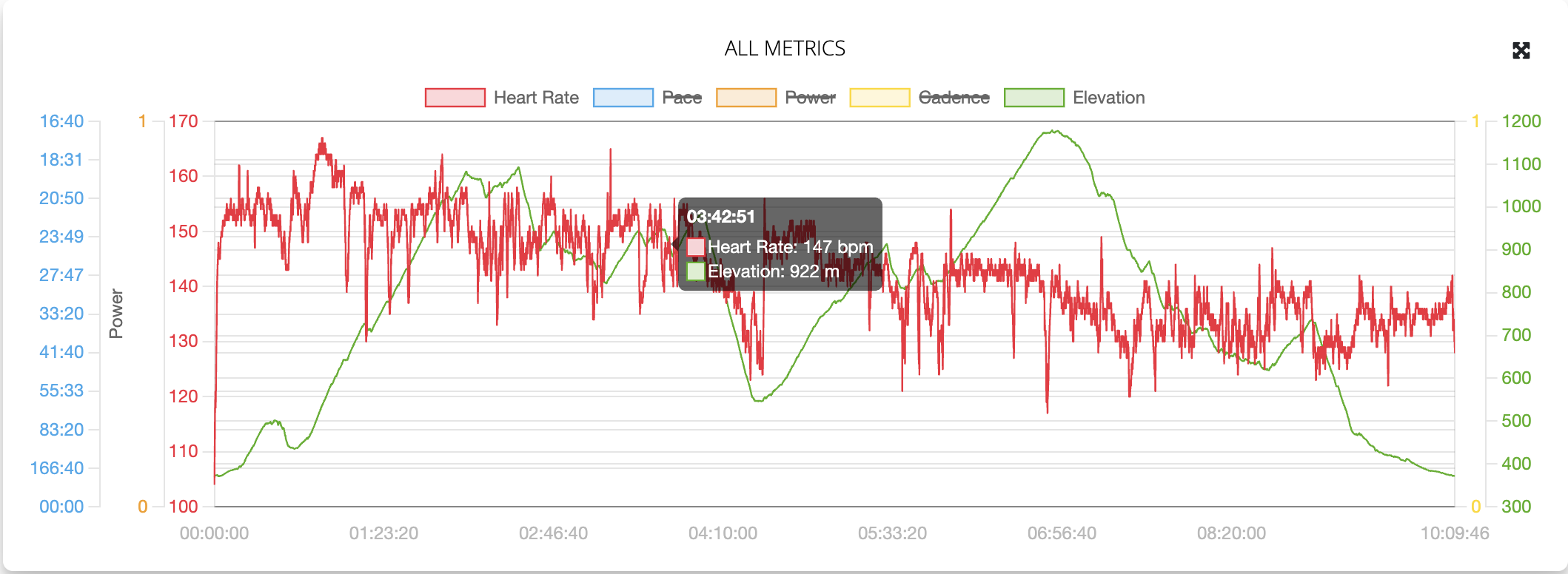
As the race progressed, she recognised that pace was no longer a useful measure of her performance.
Instead, she concentrated on controlling her effort.
Pip reported keeping her heart rate generally around 140–150 beats per minute, avoiding unnecessary spikes on the climbs.
She understood that pushing too hard early would compromise her ability to continue later.
This approach allowed her to maintain a sustainable effort throughout the event.
Coach Ray’s Takeaway: Let the Terrain Determine Your Speed
On a road marathon, pace can be a useful tool for managing effort.
On a mountain marathon, it can become misleading.
A kilometre involving steep climbing and technical terrain might take several times longer than a kilometre on a smooth, flat track.
Trying to maintain a predetermined pace regardless of terrain can lead to excessive fatigue.
For events like Mission Mount Somers, I prefer athletes to focus on sustainable intensity, using heart rate, breathing and perceived effort to guide their decisions.
Walking steep climbs isn’t a sign of weakness. It’s often the most efficient way to preserve energy for the remainder of the event.
Pip demonstrated this principle particularly well.
When the Downhills Become Harder Than the Climbs
Although climbing was demanding, Pip found that the long technical descents became particularly punishing towards the end of the event.
The downhill towards Woolshed Creek was difficult because of the rocky terrain, her ankle and the pressure of making the cut-off.
Later, the descent after Duke’s Knob became another major challenge.
By this stage, her muscles were fatigued and maintaining control on uneven ground required considerable effort.
She could feel the effects through her gluteal muscles, particularly around the gluteus medius, while her ankle and knee were also becoming uncomfortable.
There were even early signs of cramping.
Eventually, she reached flatter terrain near Sharplin Falls.
The relief was enormous.
After spending so much time climbing and descending, simply running on level ground felt wonderful.
Why Downhill Running Can Be So Punishing
Downhill running places considerable eccentric loading on the leg muscles.
This means the muscles are working to control movement while lengthening under tension.
The quadriceps are particularly involved, while the gluteal muscles and other stabilisers help maintain control around the hips, knees and ankles.
On technical terrain, this challenge becomes even greater because every foot placement requires adjustment.
As fatigue develops, maintaining coordination and stability can become increasingly difficult.
This is why technical downhill practice should form part of an athlete’s preparation for mountain-running events.
The Surprising Finish: Feeling Strongest in the Final 5 km
One of the most interesting discoveries from Pip’s race was that she felt most comfortable during the final five kilometres.
After hours of climbing, descending and negotiating difficult terrain, she finally reached a section where she could settle into a consistent running rhythm.
Her cardiovascular system still felt comfortable.
Her breathing and heart rate were under control.
And despite the accumulated muscular fatigue, she found she could simply let her legs turn over and continue moving towards the finish.
This was a powerful demonstration of the endurance she had developed through training.
Her aerobic fitness had not been the main limiting factor.
Instead, much of the difficulty came from the technical terrain and the muscular demands of negotiating it.
Pip summed up her experience with a brilliant comparison:
“I’m a bit like a classic car, like, the longer I go, the smoother things seem to get.”
I thought that was a wonderful way to describe her performance.
Mental Resilience: Finding a Way Through the Difficult Moments
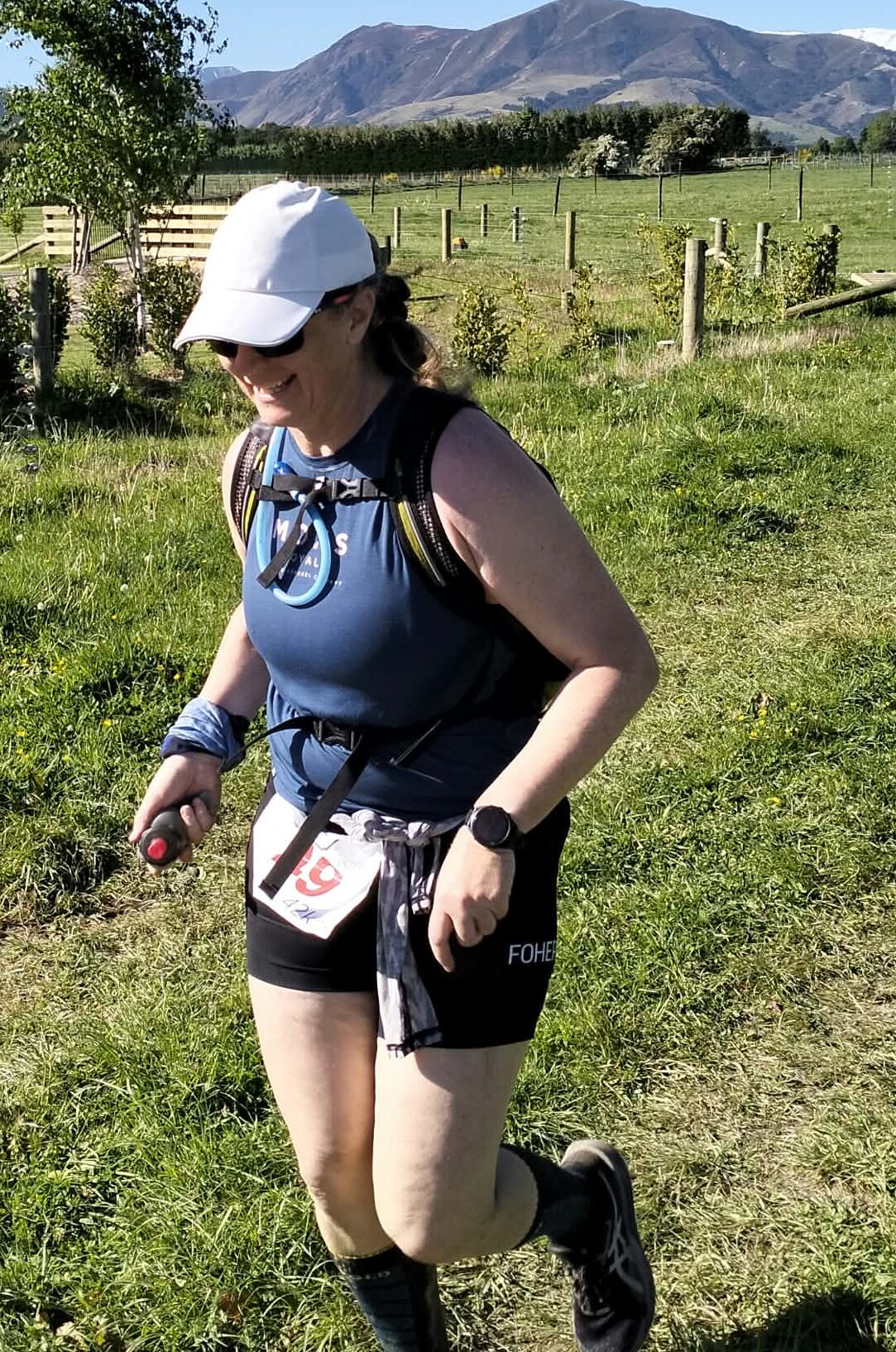
Throughout the race, Pip faced moments of doubt.
There were times when she wondered whether she would finish.
She also felt uncomfortable about being one of the last competitors on the course, worrying that volunteers and support crews were having to wait for her.
But rather than allowing these thoughts to dominate her experience, she made a conscious effort to appreciate the event.
She enjoyed the mountain scenery, the beautiful weather and the opportunity to spend the day somewhere special.
She chatted with the support crews and made a point of thanking the volunteers and marshals.
This helped shift her attention away from simply wanting the race to be over.
Finding Motivation in Unexpected Places
One of Pip’s more entertaining sources of motivation was the prospect of having to return the following year if she didn’t finish.
During the toughest moments, she found herself thinking that if she failed to complete the event, she would have to come back and do it all again.
And at that particular moment, she wasn’t especially enthusiastic about repeating the experience!
Whether she’ll return next year remains undecided.
But on race day, that thought provided a little extra incentive to keep moving.
Coach Ray’s Takeaway: Mental Strength Isn’t About Ignoring Difficulty
Athletes sometimes think mental toughness means refusing to acknowledge discomfort, fatigue or negative thoughts.
I see it differently.
Mental resilience involves recognising what’s happening, making sensible decisions and adapting when circumstances change.
Pip didn’t pretend that everything was easy.
She acknowledged the challenges, adjusted her expectations and focused on what she could control.
She also gave herself permission to be satisfied with her effort, even when there was a possibility she wouldn’t make the cut-off.
That flexibility helped her continue.
The Value of Volunteers and Event Support
Another theme that came through strongly in our debrief was Pip’s appreciation for the people who made the event possible.
From the tail-end support crew to the marshals and checkpoint volunteers, she repeatedly described how friendly and supportive everyone had been.
She made a deliberate effort to thank them throughout the day.
In fact, I heard some lovely feedback from people out on the course about how appreciative Pip had been.
Events like Mission Mount Somers rely heavily on the commitment of volunteers who spend long hours in challenging environments helping athletes achieve their goals.
For competitors, especially those towards the back of the field, that support can make an enormous difference.
It’s worth remembering that the race experience isn’t only about the athlete.
The people supporting the event are an important part of the story too.
What Would Pip Do Differently Next Time?
Looking back on the event, Pip was pleased with how she prepared and performed.
However, there were several areas she identified for future improvement.
More technical trail running: While her general hill fitness was strong, additional experience on rocky, root-covered and uneven trails would have helped.
More technical downhill practice: The long descents placed considerable demands on her muscles and stability, particularly as fatigue developed.
Greater familiarity with the course: Pip had previously experienced some of the terrain around Woolshed Creek, but she wasn’t familiar with the South Face section. Visiting that part of the course before the event might have helped her prepare mentally and physically.
Interestingly, she also wondered whether knowing exactly what was coming might have made her more nervous!
Sometimes a little ignorance can be a blessing.
Seven Lessons Every Trail Runner Can Learn From Pip’s Experience
Whether you’re preparing for your first trail half marathon, a mountain marathon or an ultra-distance event, there are some valuable lessons in Pip’s experience.
- Build a strong aerobic foundation. The endurance developed through consistent training gives you the confidence and physical capacity to keep moving for extended periods.
- Train on terrain that resembles your event. Hills alone aren’t enough if your race includes technical rocks, roots, mud and difficult descents.
- Practise your race-day nutrition. Use familiar products, develop a fuelling routine and carry suitable alternatives for when your preferences change during a long event.
- Manage effort rather than chasing pace. On steep or technical terrain, heart rate, breathing and perceived exertion are often more useful than kilometre splits.
- Prepare for the muscular demands of descending. Long technical downhills can be just as challenging as steep climbs, particularly late in an event.
- Stay mentally flexible. Conditions, cut-offs, fatigue and unexpected setbacks may require changes to your original plan.
- Remember to enjoy the experience. The scenery, atmosphere, volunteers and sense of achievement are all part of what makes trail running special.
Final Thoughts: A Finish Worth Celebrating
Pip’s Mission Mount Somers experience is a great example of what consistent preparation, intelligent pacing and mental resilience can achieve.
Her training gave her the fitness to complete the event.
Her nutrition strategy helped maintain her energy.
Her willingness to adjust her pace and expectations allowed her to respond to the challenges.
And her determination carried her through the difficult moments to the finish line.
What impressed me most wasn’t simply that she finished.
It was the way she approached the event: realistically, patiently, with good humour and a genuine appreciation for the experience.
As she reflected during our conversation, the training sessions leading into the race had been money in the bank.
When race day became difficult, she could draw on that preparation and trust that she had the endurance to keep going.
Congratulations, Pip, on completing Mission Mount Somers. A tremendous achievement and a well-earned finish!
And whether or not you decide to return next year, you’ve certainly earned the right to enjoy this one.
Watch the Full Mission Mount Somers Debrief
In our full conversation, Pip discusses her training, race-day nutrition, technical challenges, pacing strategy, mental resilience and the lessons she learned from completing Mission Mount Somers.
Need Help Preparing for Your Next Endurance Challenge?
Whether you’re training for a trail marathon, half marathon, road marathon, triathlon or another endurance event, having a structured training programme can help you arrive at the start line with the fitness, confidence and preparation you need.
At Qwik Kiwi Coaching, I work with beginner and recreational athletes to develop practical, individualised training programmes that fit around their goals, experience and everyday commitments.
If you’ve got an event on the horizon and would like some guidance with your preparation, I’d love to help, feel free to book an obligation free consultation:
Coach Ray Boardman
Qwik Kiwi Coaching — Helping Everyday Athletes Achieve Extraordinary Goals.